



Rated 4.8 out of 5 stars
22 Reviews
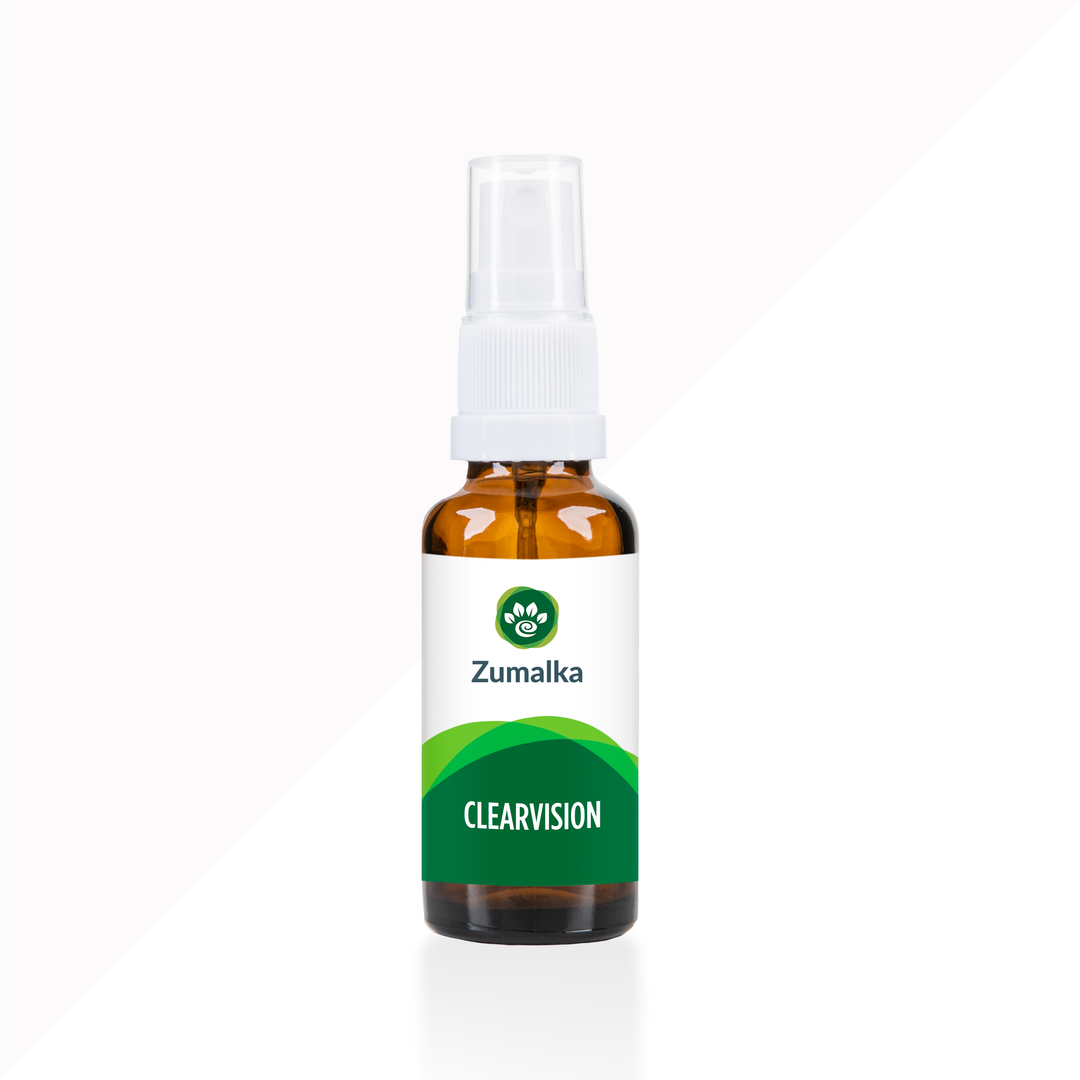
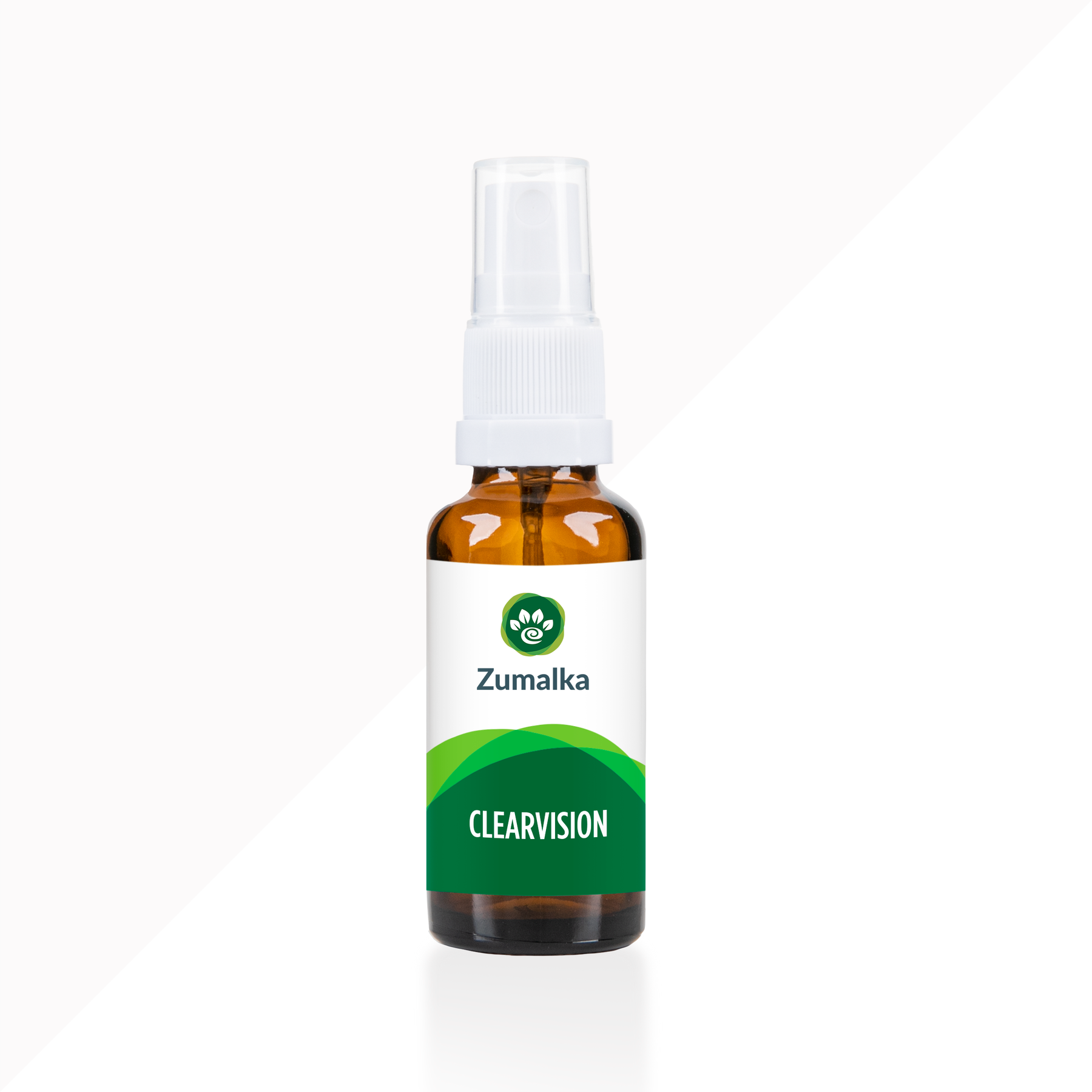
ClearVision: Natural Eye Support for Pets With Cataracts
A gentle, homeopathic oral spray that promotes lens health and supports eye wellness in dogs and cats. Not eye drops.
Rated 4.8 out of 5 stars
22 Reviews
If you've been searching for eye drops for dog cataracts, you may be surprised to learn that ClearVision takes a different approach. Instead of drops applied to the eye, ClearVision is a homeopathic oral spray given in water or directly in the mouth.
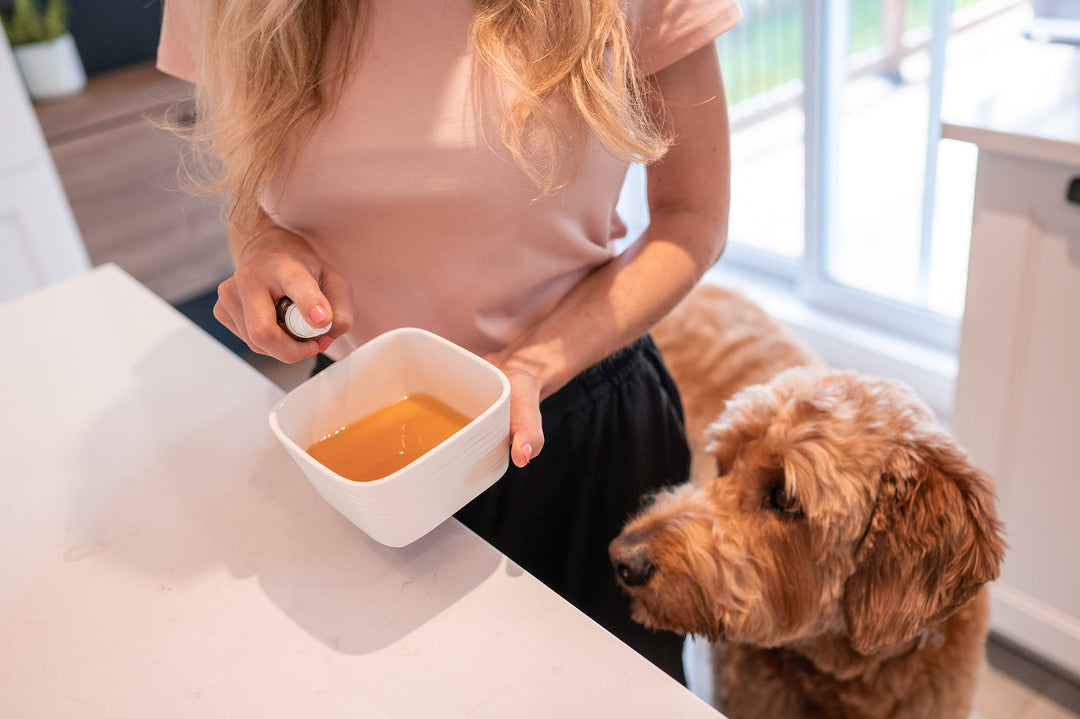
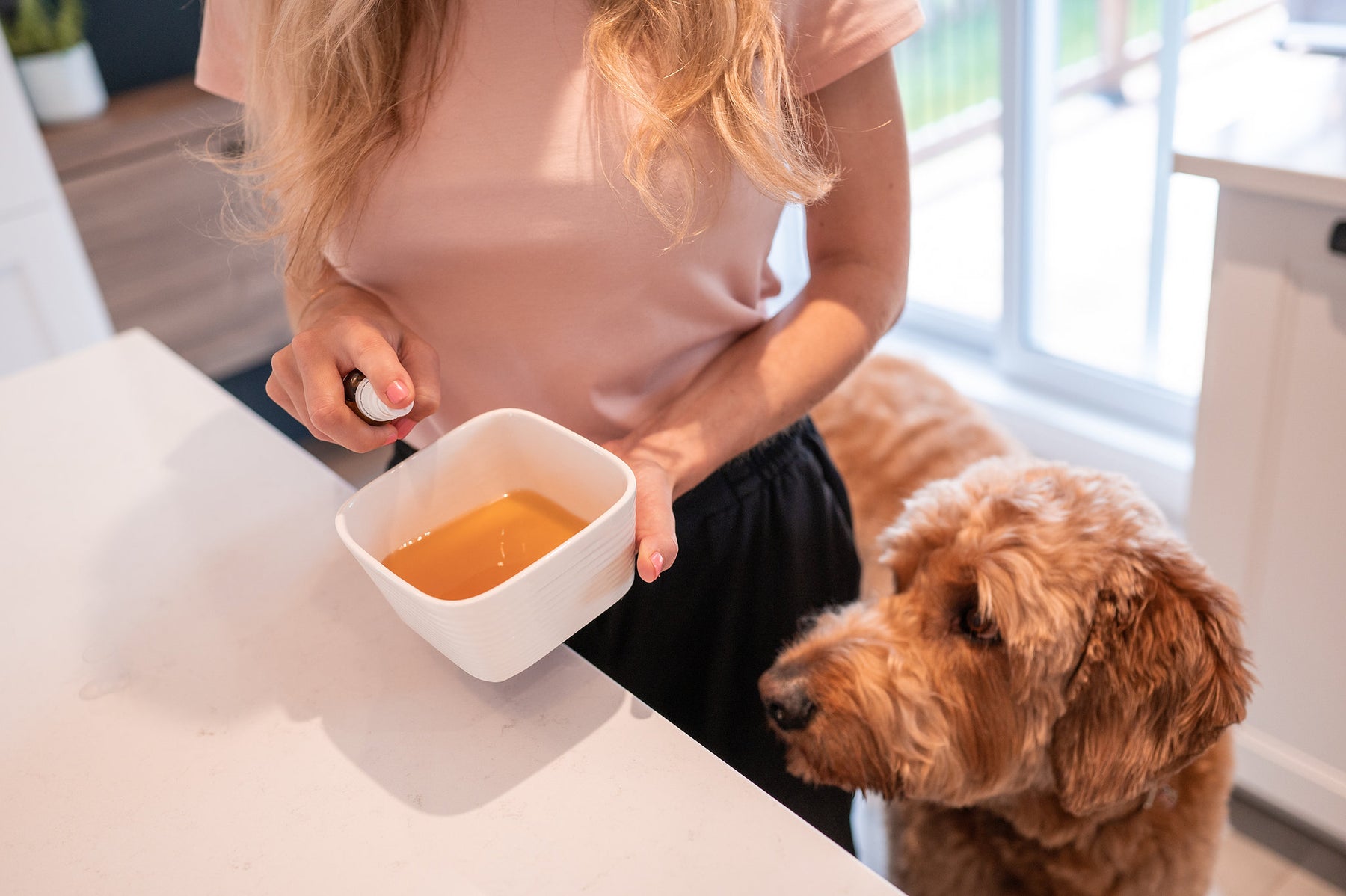
Why oral instead of topical? For starters, most pet parents know how stressful eye drops can be for their dog or cat. ClearVision requires just 1 spray per day, with no wrestling, no eye irritation, and no mess. Compare that to competitor eye drops that require 4 applications daily.
The formula contains four homeopathic ingredients selected for their traditional association with eye wellness: Naphthalinum 30k, Secale Cornutum 30k, Natrum Mur 30k, and Causticum 30k. Each ingredient contributes to the formula's holistic approach to lens health.
Not sure if ClearVision is the right fit? Our holistic pet care specialists offer a free consultation to help you choose the best approach for your pet.
A cataract is a clouding of the lens inside your pet's eye that progressively reduces vision. Cataracts affect both dogs and cats and are one of the most common eye conditions in companion animals. The lens, normally clear, turns white or opaque as proteins clump together.
Several factors contribute to cataract development. Genetics and breed predisposition top the list, followed by aging, diabetes, trauma, UV exposure and corticosteroids especially in dogs with long-term use). In cats, chronic eye inflammation is another frequent cause.
According to a study published in Veterinary Ophthalmology, 59 breeds of dogs show cataract rates above the baseline prevalence of 1.61% found in mixed-breed dogs, with breeds like the Boston Terrier (11.11%), Miniature Poodle (10.79%), and Bichon Frise (11.45%) among the most affected.
If your dog or cat has been diagnosed with cataracts, you're not alone. This is one of the most researched eye conditions in veterinary medicine, and pet parents across the country look for ways to support their pet's eye health every day.
The most common sign of cataracts in dogs is a cloudy, white, or grayish appearance in one or both eyes. You might also notice your pet bumping into furniture, hesitating at stairs, or struggling to find toys in dim lighting.
What do dog cataracts look like in the early stages? At first, you may see a small white spot on the lens. As the cataract progresses, the cloudiness spreads until it covers the entire lens.
Veterinary ophthalmologists describe four stages of cataracts:
It's worth knowing that cloudy eyes in dogs don't always mean cataracts. Nuclear sclerosis, a normal aging change, causes a bluish haze but typically doesn't affect vision. According to Williams et al. in Veterinary Ophthalmology (2004), all dogs over 13.5 years of age showed some degree of lens opacity in a cross-sectional study of 2,000 dogs. A vet exam can tell the difference.
Cataract surgery for dogs costs an average of $3,782 per eye, according to CareCredit, with prices ranging from $2,995 to $6,845 depending on location and complexity. That's a significant cost, and surgery isn't always an option for every pet or family.
Pet parents searching for dog cataract treatments often discover that non-surgical approaches exist. ClearVision is not a replacement for surgery. It's a natural approach that supports eye health and lens wellness from the inside.
For senior dogs where surgery may carry additional risks, many pet parents prefer a gentle, non-invasive option. The same goes for families managing cataracts in dogs without surgery due to budget, anesthesia concerns, or a preference for holistic care.
One bottle of ClearVision provides approximately 180 doses of natural eye health support, backed by our 60-day money-back guarantee.
Cataracts in cats typically develop due to aging, diabetes, eye inflammation, or genetics, and appear as a cloudy or opaque area in one or both eyes. While less common than in dogs, feline cataracts do occur, especially in older cats.
Most eye health products on the market focus exclusively on dogs. ClearVision is formulated for both species, making it one of the few natural options available for cats with cloudy lenses.
If you've been looking for eye drops for cataracts in cats, ClearVision offers an oral spray option that avoids the stress of applying drops to your cat's eyes. Most cat parents know that's nearly impossible without a struggle. With ClearVision, you simply add 1 spray to your cat's water bowl or give it directly in the mouth.
Cats often hide signs of vision changes, so watch for subtle cues: reluctance to jump, bumping into objects, or dilated pupils in normal lighting.
When your vet tells you your pet has cataracts, you want to explore every option. For many families, a natural cataract approach for pets feels right, whether alongside conventional care or as a standalone choice.
Pet parents turn to natural options for several reasons. Surgery costs thousands of dollars per eye. Older pets may not be good candidates for anesthesia. And some pet parents simply prefer holistic care as part of their lifestyle.
Developed in collaboration with Zumalka's holistic pet care specialists, ClearVision combines four homeopathic ingredients traditionally associated with eye wellness. The formula reflects over a decade of experience in natural pet health.
You can try ClearVision with confidence backed by our 60-day money-back guarantee. Don't carry the risk. That's how much we believe in what we do.
Give your pet 1 spray of ClearVision per day, either in their water bowl or directly in the mouth. Shake the bottle well before each use. One 30ml bottle provides approximately 180 doses at this rate.
A few things to keep in mind:
Unlike eye drops that require multiple applications per day, ClearVision needs just 1 spray daily. That simplicity makes it easy to stay consistent, which matters for long-term wellness support.
ClearVision works well on its own, but our wellness team developed two kit options for pet parents who want broader support.
The ClearVision Advanced Kit (save 5%) pairs ClearVision with TonicPet #1, which contains Calcarea fluorica, a homeopathic ingredient associated with tissue elasticity and connective tissue wellness.
For the most comprehensive approach, the ClearVision Optimal Kit (save 10%) includes ClearVision plus TonicPet #1, #5, and #12. This combination offers full-spectrum support for your pet's eye health and overall wellness.
Our team's most recommended approach for long-term eye wellness is the Optimal Kit. Here's how they compare:
Cataracts are one of several eye conditions that affect dogs and cats. If your pet has been diagnosed with a different eye concern, Zumalka offers other natural formulas:
You may also find these articles helpful:
If you're unsure which product fits your pet's situation, our holistic pet care specialists can help. Book a free consultation and get personalized guidance.
The most common signs of cataracts in dogs include a cloudy, white, or grayish appearance in one or both eyes, bumping into furniture or walls, hesitation at stairs or in dim lighting, and changes in eye color. These symptoms develop gradually, so many pet parents don't notice them right away. A veterinary eye exam can confirm whether your dog has cataracts or nuclear sclerosis, a normal aging change that looks similar but rarely affects vision.
ClearVision is not an eye drop. It's a homeopathic oral spray given once daily in your pet's water or directly in the mouth, supporting eye wellness from the inside out. There's no stressful eye application involved. Most pet parents find this approach far easier than administering topical eye drops, especially with cats or dogs that resist having anything near their eyes.
Some products on the market are topical eye drops, often NAC-based, designed to be applied directly to the eye. ClearVision takes a different approach as a homeopathic oral spray. You won't need to hold your pet still or pry open their eyelids. Just 1 spray per day in water or the mouth. Both approaches aim to support eye wellness, but the delivery method differs significantly.
Cloudy eyes in dogs can indicate cataracts, nuclear sclerosis, or other eye conditions. Cataracts cause a white or opaque area in the lens, while nuclear sclerosis produces a bluish haze that typically does not affect vision. Other possibilities include corneal edema or anterior uveitis. A veterinary exam is the only way to know for certain what's causing the cloudiness in your dog's eyes.
Surgery remains the conventional approach for cataracts in dogs. However, some pet parents explore natural options to support eye wellness before, alongside, or instead of surgery. ClearVision is a homeopathic oral spray formulated for pets with cataracts. It's backed by a 60-day money-back guarantee, so you can try it with confidence. Your vet can help you decide what combination of approaches makes sense for your dog.
Cataracts can progress through four stages, from incipient (small, minimal impact) to hypermature (entire lens affected). At the mature and hypermature stages, vision loss can be significant. Many dogs adapt remarkably well to reduced vision by relying more on smell and hearing. Early monitoring with your vet helps you stay ahead of changes and explore your options for supporting your pet's eye wellness.
The most common cause of cataracts in dogs is genetics and breed predisposition. Other contributing factors include aging, diabetes mellitus, trauma, UV exposure, and certain medications. In cats, aging and chronic eye inflammation (uveitis) are the primary causes. Some breeds carry a higher genetic risk, including Boston Terriers, Miniature Poodles, and Bichon Frises.
Precautions for use: Shake well before use. Respect the dosage.
Give your pet 1 spray of ClearVision per day, either in their water bowl or directly in the mouth. Shake the bottle well before each use.
- Naphthalinum 30k
- Secale Cornutum 30k
- Natrum Mur 30k
- Causticum 30k
- Ethyl Alcohol 20%
- Purified Water
Bottle size: 30ml (~180 doses)
Tips:
- Avoid diffusing essential oils near your pet's food and water area, as they can interfere with homeopathic products
- Use when your pet is showing signs of cloudy lenses
- Discontinue once your pet's eye wellness goals have been reached
My best friend's eyes started to get cloudy and I purchased the ClearVision Advanced kit. The cloudiness has stopped progressing and has even improved slightly. The spray is easy to administer and I love to know I am helping out my loving boy! Thank you for your excellent products!
Not really sure how effective Clear Vision is working for our dog but her eyesight has been maintained since using it.
Got this for my cat Diva. She actually got the "zoomies" the other night. She hasn't felt that way in awhile. Your products are absolutely amazing!
Pips eyes look clearer and he isn’t over judging his steps anymore. He was struggling with depth perception and it was making him less confident, especially on hardwood/tile floors. He no longer acts,”squirreley,” on the floors anymore!
I am so happy. My 13 year old bunny Amburr has been taking this kit since early October 2023 and today her cataracts in her right eye cleared up so much. It’s not white and cloudy anymore. She had advanced cataracts in both eyes. Thank you so much Zumalka team!!