
Vet-Verified Tips: Urinary Tract Infections in Dogs, Signs, Causes, and Bladder Care


List of Contents
- How Can I Naturally Support My Dog’s Urinary Health?
- What are the Different Types of Dog Urinary Tract Infections?
- What are the Clinical Signs of UTI in Dogs?
- Dog UTIs vs. Other Health Problems
- What are the Causes of Dog UTI?
- How is Canine UTI Diagnosed?
- When Should You See a Vet for a Dog’s UTI?
- FAQs
- Conclusion
Surprisingly, urinary tract infections (UTIs) impact nearly 14% of dogs throughout their lifetime, making them a common but often overlooked health concern.
If you think your dog has a UTI, see your veterinarian first. UTIs usually need antibiotics, and the same signs can point to bladder stones or kidney disease.
In this article, we’ll cover the key signs to watch for, common causes, how vets diagnose UTIs, and everyday habits that support a healthy urinary tract.
How Can I Naturally Support My Dog’s Urinary Health?

Everyday habits can support a healthy bladder and urinary tract. They do not replace veterinary care, especially if your dog has trouble urinating, blood in the urine, or pain.
Here are six everyday habits that support a healthy urinary tract:
#1. Cranberries support a healthy bladder lining.
Cranberries are packed with proanthocyanidins, natural compounds studied for how they support a healthy bladder lining. Their polyphenols also support urinary tract health in dogs.
Opt for cranberry supplements instead of juice, as the latter often contains high amounts of sugar. Always check the label to ensure proper dosage and effectiveness.
#2. Apple cider vinegar may support a normal urine pH.
Some pet parents use apple cider vinegar to help maintain a normal urine pH. Ask your veterinarian first, because the right pH depends on your dog’s urine test.
The simplest way to add apple cider vinegar to your dog’s diet is by mixing it into their water. Start with a small amount, about half a teaspoon, to gauge their tolerance. If your dog responds well, you can gradually increase the dosage but do not exceed 1 teaspoon per 50 pounds of body weight.
If your dog starts to have gastrointestinal problems, interrupt adding it to their water or lower the amount.
#3. Good hydration supports a healthy bladder.
Proper hydration and a balanced diet help maintain a healthy microbial environment, supporting urinary tract health. Wet food adds extra water to the diet.
The right diet also supports healthy kidneys, a healthy prostate in male dogs, and a strong immune system. A nutrient-rich, well-balanced diet and adequate hydration are essential for a healthy microbiome. Urinary tract health is closely connected to overall well-being.
#4. Ensure your dog has frequent opportunities to relieve itself.
Frequent bathroom breaks and full bladder emptying support a healthy urinary tract, especially in dogs that have had urinary issues before.
Pet parents can support this by ensuring access to fresh water and offering frequent bathroom breaks. This strategy benefits dogs of all sizes, breeds, genders, and weights.
#5. Enhance your dog’s grooming and maintenance routine.
Improving your dog's grooming and hygiene routine supports urinary tract health. Regular cleaning, especially around the genital area, keeps the area clean and healthy.
Dogs with a hooded vulva (where skin folds partially cover the vulva) are more susceptible to dermatitis, which fosters bacterial growth. In these cases, perivulvar hairs (the technical term for hairs around the vulva) may fold inward, drawing bacteria into the vestibule and increasing the risk of infection.
Although surgery is an option, it can be costly and impractical for some pet owners. As an alternative, regularly cleaning the vulva with antiseptic pet wipes can help maintain hygiene and keep the area clean.
#6. Consider a natural product that supports a healthy bladder.

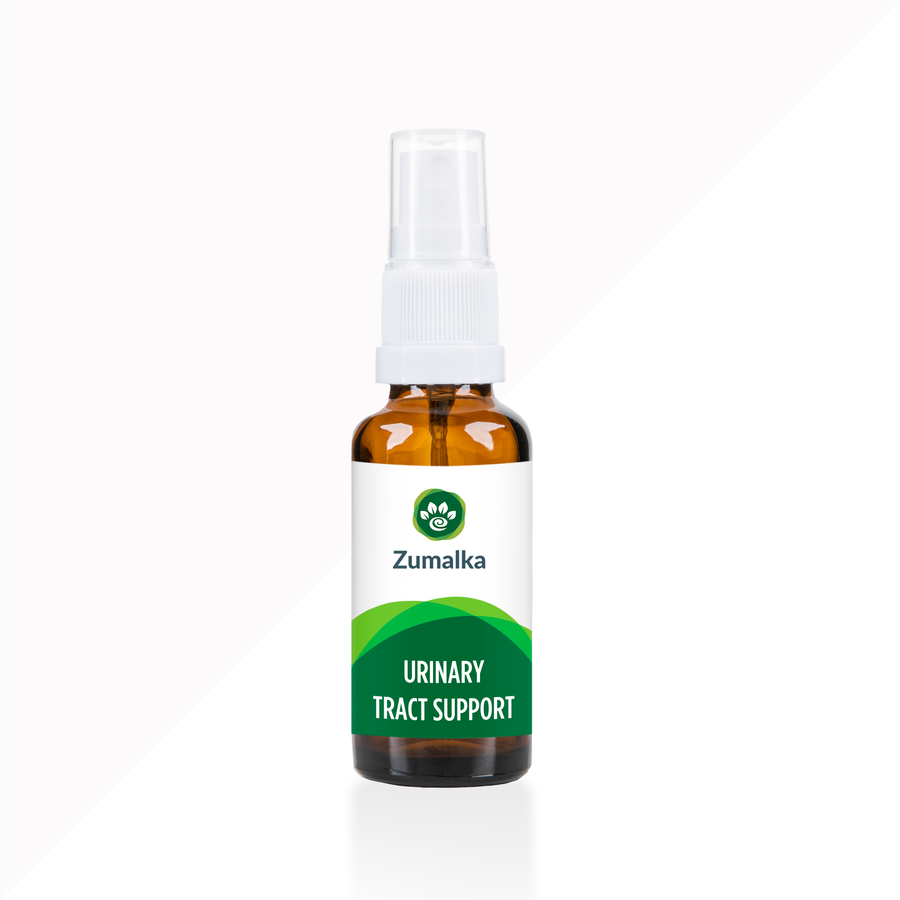
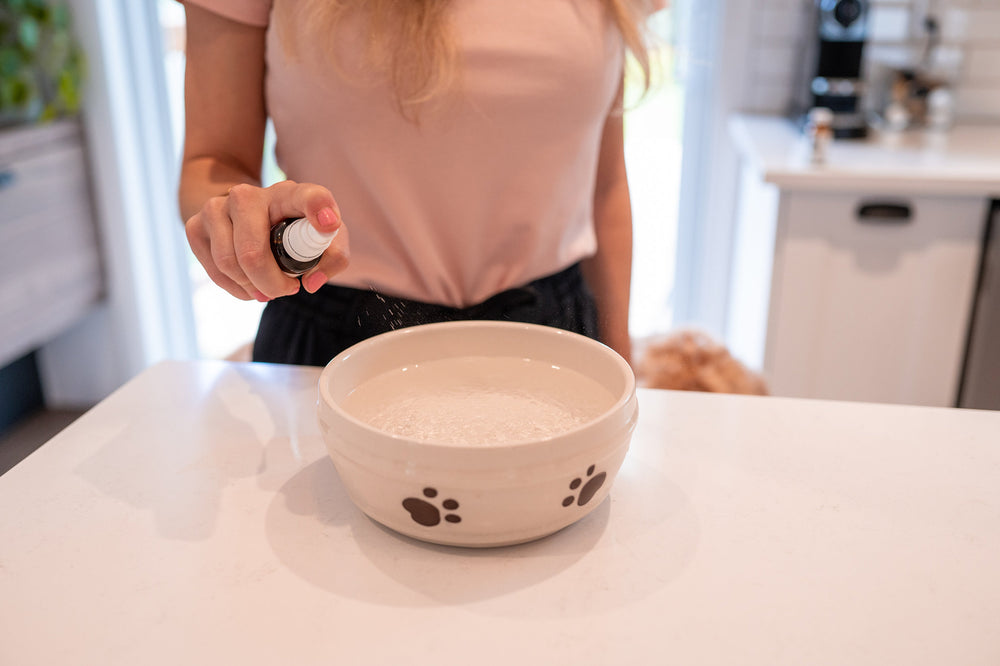
Zumalka’s URINARY TRACT SUPPORT is a homeopathic spray designed to support a healthy bladder and normal kidney function. It is not a treatment for urinary tract infections. If your dog shows UTI signs, see your veterinarian.
URINARY TRACT SUPPORT contains Berberis 30k, Cantharis 30k, Nitricum Acidum 30k, Pareira Brava 30k, Sarsaparilla 30k, Solidago 30k, and Terebinthina 30k, along with other natural ingredients.
What are the Different Types of Dog Urinary Tract Infections?

Knowing the different types of urinary tract infections (UTIs) in dogs helps you understand what your veterinarian is looking for. Veterinarians generally categorize dog UTIs into two main types: sporadic bacterial cystitis and complicated UTI.
Sporadic bacterial cystitis
Also known as an uncomplicated UTI, this type of urinary tract infection develops in the absence of any anatomical or functional abnormalities.
In other words, it can occur sporadically in an otherwise healthy dog. For instance, if a dog experiences fewer than three episodes of bacterial cystitis within a 12-month period, the condition is classified as an uncomplicated UTI.
Complicated UTI
Recurrent UTIs, also known as complicated bacterial cystitis, often result from an underlying anatomical or functional abnormality. For example, breeds with loose skin, such as Shar-Peis and Mastiffs, may have a hooded vulva, which increases their risk of recurring bacterial UTIs.
Moreover, certain medical conditions can make dogs more susceptible to persistent or recurrent infections and may complicate treatment. Conditions like diabetes, kidney disease, hyperthyroidism, and Cushing's disease are common factors that contribute to these challenges.
What are the Clinical Signs of UTI in Dogs?
Interestingly, one distinguishing aspect of a dog's UTI compared to other canine health issues is its specific signs and symptoms. Below are the key indicators of this condition:
- Straining to urinate (stranguria)
- Crying or vocalizing (indicating pain during urination)
- The presence of blood in the urine (hematuria)
- Urinary incontinence (inability to control urination)
- Dribbling urine
- Frequent urination with little output (pollakiuria)
- Strong-smelling urine
- Excessive licking of the genital area
- Fever
If you observe any of these signs, prompt veterinary care is essential. Left untreated, a dog's UTI can progress and potentially cause more serious health issues.
Dog UTIs vs. Other Health Problems
Here's something many dog parents may not realize: The common symptoms of UTIs can closely resemble those of other health conditions. That’s why consulting a veterinarian is essential when these signs appear.
I strongly recommend bringing a urine sample to your veterinarian for testing to rule out other potential issues, such as diabetes, bladder stones, kidney disease, or even tumors. When it comes to our pets' health and well-being, it's always better to be safe than sorry.
Additionally, it's important to note that UTIs in dogs could often signal an underlying health issue. That’s why identifying the root cause, rather than just the symptoms, should be your top priority when this condition arises.
What are the Causes of Dog UTI?

Canine UTIs are not limited to a specific breed, age, or sex. Many people assume otherwise, but in reality, all dogs can experience this health concern, something many dog owners overlook.
Urinary tract infections (UTIs) in dogs have six main causes: a weakened immune system, certain medications or medical procedures, bacterial infections, anatomical or structural issues, underlying health conditions, and environmental or behavioral factors. Let’s explore each of these in detail.
Weakened immune system
Weakened immune function is common in older and senior dogs, making them more susceptible to illness. Chronic stress and anxiety may also weaken a dog's immune defenses, increasing their risk.
Certain medications or medical procedures
Certain medications and medical procedures can increase the risk of UTIs in dogs. These include long-term use of immunosuppressants or steroids, which weaken the immune response; recent catheterization, which can introduce bacteria into the urinary tract; and recent urinary tract surgery.
Bacterial infections
While Escherichia coli (E. coli) is the most common cause of UTIs in dogs, other bacteria can also lead to infection. These include Mycoplasma spp., Proteus spp., Pseudomonas spp., Staphylococcus spp., Klebsiella spp., and Enterococcus spp., which can enter and infect the urinary tract.
Anatomical or structural issues
The most common anatomical issues leading to UTIs in dogs include a narrowed or blocked urethra, which restricts urine flow and increases the risk of infection, and ectopic ureters, which, due to their abnormal positioning, can make a dog more susceptible to infections.
In female dogs, skin infections around the vulva, such as perivulvar dermatitis, can allow bacteria to enter the urinary tract.
Underlying health conditions
A dog's UTI may indicate an underlying health condition. Potential causes include bladder stones (urolithiasis), kidney disease, diabetes mellitus, Cushing’s disease (hyperadrenocorticism), urinary incontinence, and, in male dogs, prostate disease.
Environmental or behavioral factors
Common risk factors for UTIs in dogs include exposure to dirty living conditions and inadequate grooming. Holding urine for too long and swimming in contaminated water can also increase the risk.
How is Canine UTI Diagnosed?

Diagnosing a UTI in dogs is typically straightforward. If a vet suspects a UTI in a patient, they first perform a full physical examination. Dogs with urinary tract issues often tense their abdomen during bladder palpation, which is a sign of discomfort.
Symptoms like frequent urination, bloody urine, or crying during urination may prompt this examination. After the exam, veterinarians typically recommend a urinalysis to confirm the infection. Early diagnosis and treatment help prevent complications and protect the pet’s well-being.
Urinalysis
Microscopic analysis of a urine sample is essential for diagnosing UTIs in dogs and cats. Urinalysis detects bacteria, confirming an infection. Additionally, blood in the urine may indicate inflammation or urinary tract injury, while crystal formation can suggest metabolic issues or the potential for bladder stones.
By recognizing these signs, veterinarians can make an accurate diagnosis and prescribe the most effective treatment. Addressing the infection promptly is vital to ensuring the pet’s health and well-being.
Culture and sensitivity testing
When UTIs recur, a veterinarian may conduct a urine culture and sensitivity test to pinpoint the bacteria causing the infection. Repeated infections often signal incomplete treatment or an underlying medical condition.
A sterile urine sample is collected during this test to identify the bacteria present and assess their resistance to antibiotics. This essential analysis helps veterinarians select the most effective treatment, improving the chances of a full recovery.
When Should You See a Vet for a Dog’s UTI?
Take your pet to a veterinarian immediately if you notice any of the following signs:
- Blood in the stool or urine
- Significant loss of appetite
- Vomiting
- Yellow or green discharge from the nose or eyes
- Straining to urinate
- Inability to urinate for 12 hours or more
These symptoms could signal a serious health issue, and delaying treatment may result in life-threatening consequences. Acting quickly by seeking veterinary care can help protect your pet’s health and improve their chances of a full recovery.
FAQs
What are the common symptoms of UTIs in dogs?
Dogs with UTIs may exhibit frequent urination, difficulty urinating, blood in the urine, strong-smelling urine, excessive licking of the genital area, urinary accidents, and signs of discomfort or pain while urinating.
What are the common causes of UTIs in dogs?
Dogs can develop UTIs due to bacterial infections, bladder stones, poor hygiene, a weakened immune system, diabetes, incontinence, or anatomical defects. Regular veterinary care helps detect and prevent these issues before they lead to complications.
Can I care for my dog’s UTI at home?
A UTI needs a vet visit, and most need antibiotics. At home, you can support your dog with plenty of water, regular bathroom breaks, good hygiene, and the diet your vet recommends.
What everyday habits support a dog’s urinary health?
Plenty of water, regular bathroom breaks, cranberry supplements, probiotics and a vet-approved diet support a healthy urinary tract. They complement veterinary care and do not replace antibiotics when your dog has an infection.
Can a dog get over a UTI without antibiotics?
Mild UTIs may resolve on their own, but most require antibiotics to prevent complications. Without treatment, infections can worsen, leading to kidney issues. Always consult a veterinarian to determine the best course of action for your dog’s health.
Will a dog UTI heal on its own?
While some mild UTIs might improve without treatment, most require antibiotics to prevent serious complications like kidney infections. Untreated UTIs can worsen over time, causing pain and health issues. Consulting a veterinarian ensures proper diagnosis and effective treatment.
What foods are good for dogs with UTIs?
For dogs with UTIs, hydrating foods like wet food, unsalted bone broth, and fresh vegetables can help. Cranberries, blueberries, and probiotics may support urinary health. Always consult a veterinarian before adjusting your dog’s diet for proper treatment.
Is cranberry juice good for UTIs in dogs?
Cranberry juice is often high in sugar and not ideal for dogs. Cranberry supplements are a better option for bladder support. Ask your veterinarian first.
When should I see a vet for my dog's UTI?
You should see a vet if your dog shows UTI symptoms like frequent urination, straining, blood in urine, or discomfort. Untreated UTIs can worsen, leading to serious complications, so prompt veterinary care ensures proper diagnosis and treatment.
How can I support my dog’s urinary health?
To support your dog’s urinary health, ensure proper hydration, regular bathroom breaks, and good hygiene. Provide a balanced diet, consider probiotics or cranberry supplements, and schedule routine vet checkups. Address underlying conditions promptly with your veterinarian.
Is rice good for dogs with UTI?
Rice is easy to digest. Water-rich food, cranberries and probiotics support urinary health more directly. Consult a veterinarian before adjusting your dog’s diet.
Is there a natural replacement for antibiotics?
No. If your dog has a bacterial infection, your veterinarian will choose the right antibiotic. Natural products and everyday habits can support urinary health alongside that care, but they do not replace it.
What not to feed a dog with UTI?
Avoid feeding your dog salty foods, processed treats, high-carb diets, and acidic foods that may irritate the bladder. Ensure proper hydration and consult a veterinarian for a diet that supports urinary health and recovery.
What are the signs of a UTI in a dog?
Signs of a UTI in dogs include frequent urination, straining, blood in urine, strong-smelling urine, excessive licking of the genital area, accidents in the house, and signs of pain or discomfort while urinating. Veterinary evaluation is recommended.
Is dog UTI an emergency?
A dog UTI isn’t always an emergency, but it requires prompt veterinary attention. If your dog shows severe symptoms like blood in urine, pain, or difficulty urinating, seek urgent care to prevent serious complications.
What foods are good for UTI in dogs?
Hydrating foods like wet food, unsalted bone broth, and fresh vegetables support a healthy urinary tract in dogs. Cranberries, blueberries, and probiotics may promote urinary health. Consult a veterinarian before adjusting your dog’s diet.
How do I know if my dog has a urinary tract infection?
Symptoms of a UTI in dogs include frequent urination, straining, blood in urine, foul-smelling urine, accidents, and excessive genital licking. If your dog shows these signs, consult a veterinarian for proper diagnosis and treatment.
What can I give my dog for a urinary tract infection?
Your veterinarian will usually prescribe antibiotics. Alongside that, plenty of water, a balanced diet and vet-approved cranberry supplements or probiotics support urinary health.
What foods cause urinary tract infections in dogs?
Certain foods may contribute to UTIs in dogs, including high-sodium foods, processed treats, and diets high in carbohydrates. Acidic foods can also irritate the bladder. Providing a balanced, vet-approved diet supports urinary health.
Conclusion
A UTI can be a painful and stressful experience for your dog. Knowing the signs and getting a quick vet visit are the most important steps. Everyday habits then support a healthy bladder and urinary tract for the long term.
Natural products do not replace veterinary care. Your veterinarian will confirm the diagnosis and choose the right treatment. For general urinary wellness questions, a pet homeopathy expert can also help.
Feel free to ask a question or share a comment below if you’d like to learn more about urinary health in dogs.
About the author
39 comments


Hi. Our 16 year old American Cocker Spaniel just spent 6 weeks away from us and in a Humane Society facility due to us both coming down with COVID-19 and being hospitalised and on rehab for 6 weeks. She was very well taken care of! However she is whining a lot, as well as going in circles many times snd crying on her bed before she finally lays down. We cannot figure out what she is trying to tell us.
Any ideas? Thank you so much!!
My dog was having an itching problem ,he has made his skin red by itching it by legs,so we have consulted vet he has this tym given injection he is almost fine bu itching problem but now from 2,3 days he has started doing pee at home only he has never done this but now many times he is urinating and at home also and he has also started drining lot n lot of water from 2,3 days
Hi Luisa,
Thank you for your comment and I am so sorry to hear about your poor dog in so much pain. We are more than happy to help!! To do this, we have sent you a private email so that we can more fully understand everything that is going on so that we can guide you to the natural and personalized ways you can help her feel better.
We look forward to helping your dog feel better naturally!
-Homeoanimal
Good day! My dog always cries after she peed and she keeps on licking her ___. She always drinks water but she never pees most of the time. Now I am bothered the last time she peed there was this mucus thing with her urine. I don’t have enough money to bring her to the vet. What will I do? Is it okay if I use Apple Cider vinegar?
Hi Sue,
I’m so sorry to hear that your dog is having some issues with urinating more lately. We have sent you a private email so that we can help you and your dog is the most targeted way possible. We look forward to helping your dog find the best solution naturally!
Regards,
Homeoanimal
Leave a comment