
Expert-Approved: Cat IBS Signs, Vet Care and 7 Ways to Support Digestive Comfort


List of Contents
- What Is Irritable Bowel Syndrome (IBS) in Cats?
- Are IBS and IBD in Cats the Same?
- 7 Simple Ways to Support a Cat With IBS
- What are the Symptoms of IBS in Cats?
- What are the Possible Causes of Cat IBS?
- How Do Vets Identify IBS in Cats?
- How Do Vets Typically Treat IBS in Cats?
- How Can You Support Your Cat’s Digestive Health Long Term?
- FAQs
Irritable Bowel Syndrome (IBS) is a common digestive issue in cats, often affecting them at some point in their lives. It leads to inflammation in the lower bowels, causing discomfort and digestive disturbances.
This article covers everything you need to know about feline irritable bowel syndrome, including its symptoms, potential causes, diagnosis, home care, and management.
What Is Irritable Bowel Syndrome (IBS) in Cats?

As mentioned, feline IBS is a condition marked by increased sensitivity in the lower bowels. Common signs include diarrhea, constipation, cramping, and frequent urges to defecate. Episodes often occur suddenly and can be acute.
Feline irritable bowel syndrome is often triggered by disruptions in bowel function, food intolerances, or heightened stress levels. We’ll take a closer look at its potential causes later in this article.
Are IBS and IBD in Cats the Same?
No, despite common misconceptions, feline irritable bowel syndrome (IBS) and inflammatory bowel disease (IBD) are not the same. IBS is typically acute and occurs suddenly, while IBD is a chronic condition caused by ongoing inflammation in the gastrointestinal tract.
In contrast, cats with IBS typically have normal biopsy results, whereas those with IBD often develop thickened intestinal walls due to chronic inflammation. Additionally, IBS is usually a symptom of an underlying gastrointestinal issue, while IBD is a distinct disease.
7 Simple Ways to Support a Cat With IBS

Although feline IBS can be concerning, simple home care can support your cat’s digestive comfort alongside your vet’s plan. Consider adding the following to your cat’s care routine:
#1. Increase your cat’s fiber intake for better digestive health.
A fiber-rich diet can support digestion and nutrient absorption. Common sources include leafy greens, pumpkin purée, and specialized cat foods.
Before making any changes to your cat’s diet, consult your veterinarian. For cats with IBS, a highly digestible, fiber-rich, and low-fat diet is often recommended.
#2. Incorporate probiotics into your cat’s daily diet.
Feline IBS can be triggered by an imbalance in your cat’s gut bacteria. Probiotics help support beneficial bacteria and support overall gastrointestinal health. Regular probiotic supplementation supports long-term digestive well-being.
#3. Prebiotics support gut health and digestive function.
Like probiotics, prebiotics help stimulate the growth of beneficial bacteria in your cat’s gastrointestinal tract. By providing nourishment for these good bacteria, prebiotics contribute to a balanced gut microbiome, which is essential for proper digestion.
A well-balanced microbiome also supports overall health.
#4. Effectively manage your cat’s stress and anxiety.
Reducing stress and anxiety in cats is an important part of caring for a cat with IBS. Common stressors include a lack of mental stimulation, sudden changes in their environment, the presence of new pets or people, and inconsistent feeding or exercise routines, all of which can contribute to digestive issues and overall discomfort.
In addition to creating a safe and calm environment, providing plenty of mental stimulation and regular interaction with your cat can help reduce stress and anxiety.
#5. Introduce novel proteins into your cat’s diet.
Feeding your cat a diet with novel proteins like duck, venison, or rabbit, or a hydrolyzed protein diet, can help if food sensitivity plays a role. Since these proteins are less commonly found in traditional pet food, they are less likely to cause food sensitivities, making them a beneficial option for cats with digestive concerns.
Before making significant changes to your cat’s diet, consult a veterinarian to prevent diet-related or gastrointestinal health issues.
#6. Calming supplements can help your cat stay relaxed.
Supplements with calming properties can be a valuable addition to the routine of a cat whose digestion is sensitive to stress. These include CBD oil, synthetic pheromone products, the green tea derivative L-Theanine, and the milk protein Alpha-Casozepine. Ask your vet before using any of them.
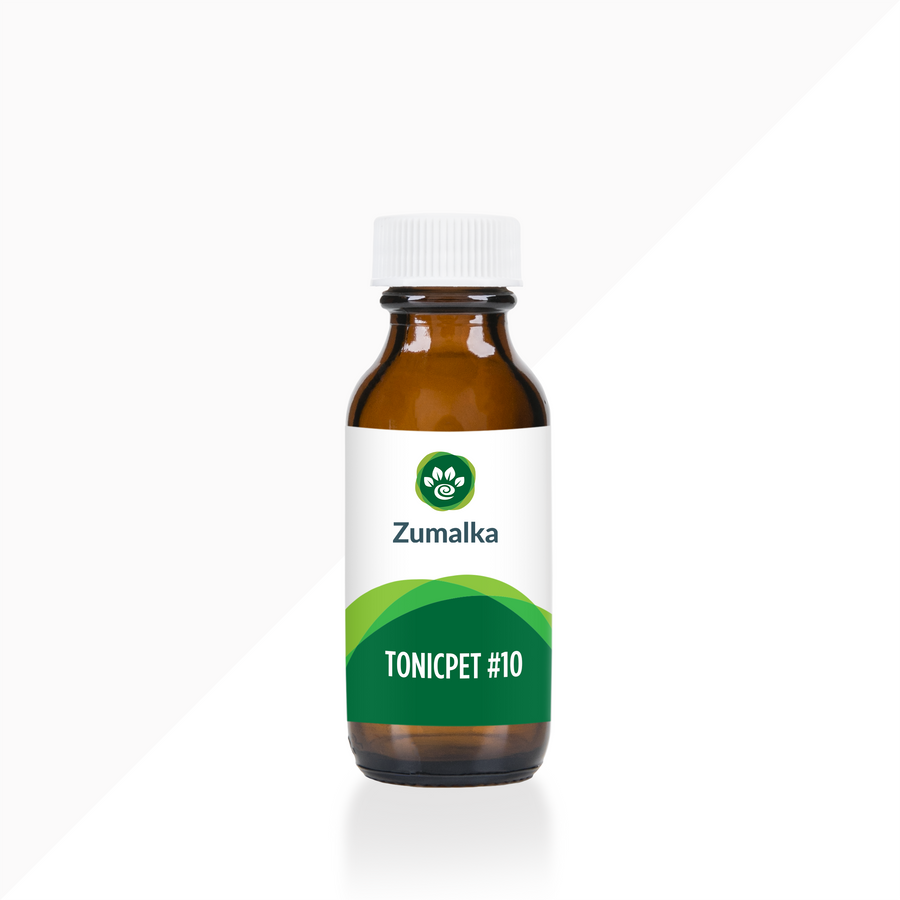
#7. Zumalka’s TONICPET #10 supports comfortable, healthy digestion.

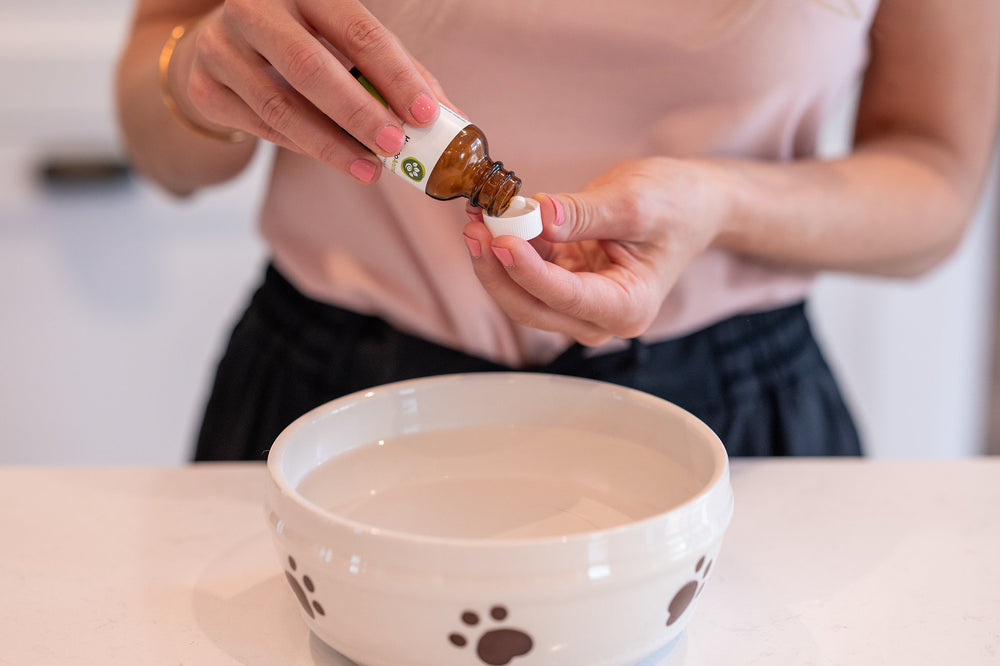
Zumalka’s TONICPET #10 is a natural formula designed to help maintain healthy acidity levels in cats and dogs. It supports balanced stomach acidity and comfortable, healthy digestion. Use it alongside your vet’s care, not in place of it.
What are the Symptoms of IBS in Cats?
Here are the most common clinical signs of IBS in cats:
- Chronic or intermittent diarrhea
- Mucus in the feces
- Episodes of constipation
- Straining or difficulty defecating (dyschezia)
- Unexplained weight loss
- Vomiting or nausea
- Bloating or excessive gas
- Increased frequency of defecation
- Sudden changes in appetite or food selectivity
Proactively monitoring your cat’s health and well-being is essential in identifying potential signs of IBS. If you notice any of these symptoms, consult your veterinarian. Once your vet has ruled out a serious problem, Zumalka’s VOMIPET is a homeopathic formula designed to support a calm, happy tummy and healthy digestion in cats and dogs.
What are the Possible Causes of Cat IBS?

Interestingly, IBS in cats doesn’t occur randomly. It is often triggered by various factors, including:
- Neural dysfunction
- Irregular or abnormal colon function
- Insufficient fiber in the diet
- Food allergies or intolerances
- Stressful or traumatic events (e.g., separation anxiety, moving to a new home)
Surprisingly, cats have an instinct to hide pain or discomfort. Regular bonding and careful monitoring are essential to keeping them healthy and happy.
How Do Vets Identify IBS in Cats?
Diagnosing IBS in cats primarily involves a process of elimination. A veterinarian will typically begin with a thorough physical examination, followed by a detailed review of your cat’s medical history. They will also assess potential triggers such as stress, inadequate dietary fiber, or past traumatic events.
The veterinarian will likely conduct standard lab tests, such as serologic testing (FeLV/FIV), an electrolyte panel, fecal examination, urinalysis, biochemistry profile, and complete blood count (CBC). Diagnostic imaging, including ultrasound and X-rays, may also be used to gain further insights into your cat’s condition.
In some cases, a veterinarian may also perform intestinal biopsies or a colonoscopy. These procedures help rule out other inflammatory, fungal, or neoplastic conditions and are typically recommended when a cat exhibits excessive mucus production or colon spasticity.
How Do Vets Typically Treat IBS in Cats?

Veterinarians typically treat feline IBS with a combination of medications and supportive care. This may include antidiarrheal medications or stool softeners to regulate bowel movements, as well as short courses of corticosteroids (e.g., prednisolone) to reduce inflammation in severe cases.
Antispasmodics can help control colon spasms, while antibiotics or immunosuppressive drugs may be prescribed under close veterinary supervision. Additionally, prebiotics and probiotics support beneficial gut bacteria, and intravenous fluids may be necessary for severe dehydration.
How Can You Support Your Cat’s Digestive Health Long Term?
Detecting IBS early and starting treatment promptly can help reduce symptoms and improve your cat’s quality of life. Following dietary guidelines and providing a calm, stress-free environment are key to managing this condition effectively.
Although relapses of IBS in cats are possible, regular check-ups with your veterinarian are essential for ongoing management. With proper care, IBS typically does not affect a cat’s life expectancy.
FAQs
How do vets treat IBS in cats?
Vets treat IBS in cats with dietary changes, stress management, probiotics, and medications like antidiarrheals or corticosteroids. Consult a veterinarian for a tailored plan. A pet homeopathy expert can also help with a general wellness routine.
How long can cats live with IBS?
Cats with IBS can live a normal lifespan with proper management, including diet modifications, stress reduction, and veterinary care. While symptoms may recur, IBS itself doesn’t typically shorten a cat’s life expectancy when well-managed.
Is wet or dry food better for cats with IBS?
Wet food is often better for cats with IBS as it provides hydration and is easier to digest. However, a vet-recommended diet, wet or dry, tailored to your cat’s needs is ideal. A pet homeopathy expert can also offer guidance.
What are the worst foods for IBS?
The worst foods for cats with IBS include dairy, grains, artificial additives, high-fat foods, and low-quality proteins. These can upset sensitive digestion. A vet-recommended, high-quality diet is essential for managing symptoms.
How can I help my cat feel better with IBS?
There is no quick fix for IBS in cats. Managing stress, feeding a vet-recommended diet, asking your vet about probiotics and following your vet’s treatment plan support your cat’s digestive comfort.
Is IBS in cats contagious?
IBS in cats is not contagious, as it is a functional digestive disorder rather than an infectious disease. It’s typically triggered by stress, diet, or gut imbalances rather than bacteria, viruses, or parasites.
How can I help a bloated cat at home?
To help a bloated cat at home, offer a vet-approved diet, promote slow eating, ask your vet about probiotics, and reduce stress. If bloating persists or worsens, consult a veterinarian to rule out underlying health issues.
How is cat IBS diagnosed?
IBS in cats is diagnosed through a process of elimination, including a physical exam, medical history review, lab tests, and imaging. A veterinarian rules out other conditions before confirming IBS as the cause of symptoms.
What is the best food for cats with IBD?
The best food for cats with IBD is a vet-recommended diet with novel proteins, hydrolyzed protein, or limited ingredients. High-quality, grain-free, and easily digestible wet food is gentle on digestion and supports gut health.
Is rice OK for cats with IBD?
Rice is sometimes used for digestive issues, but it’s not ideal for cats with IBD. A vet-recommended, high-protein, grain-free diet with easily digestible ingredients is best for managing symptoms.
How do vets manage intestinal inflammation in cats?
Your vet may recommend a diet with novel or hydrolyzed proteins, probiotics, stress reduction and, if needed, prescribed anti-inflammatory medication.
How many times a day should I feed my cat with IBD?
For cats with IBD, it's best to feed multiple small meals throughout the day, ideally 3 to 6 or more. Kittens may require even more frequent feedings. Veterinarians often recommend hypoallergenic or novel protein diets to support digestive health. A pet homeopathy specialist can also help with a general wellness routine.
Does drinking a lot of water help with IBD in cats?
Drinking water supports hydration but does not treat IBD in cats. A moisture-rich diet, like wet food, along with veterinary care, probiotics, and any treatment your vet prescribes, is essential for managing IBD.
Why is my cat pooping blood but acting normal?
Blood in a cat’s stool, despite normal behavior, may indicate minor irritation, food allergies, or IBD. If bleeding persists, consult a veterinarian to rule out serious conditions like infections or gastrointestinal disorders.
Why does my cat’s poop have red jelly-like mucus?
Red, jelly-like mucus in a cat’s stool may indicate colitis, inflammation, or gastrointestinal issues like IBD or infections. If symptoms persist, consult a veterinarian to determine the underlying cause and appropriate treatment.
How can I tell if my cat is in pain?
Signs of pain in cats include hiding, reduced appetite, vocalization, aggression, limping, or changes in grooming and posture. If you suspect pain, consult a veterinarian for a proper diagnosis and treatment.
The Bottom Line
As mentioned, IBS can cause discomfort in cats, but it is a manageable condition. Working closely with your veterinarian can help detect early signs and develop a tailored treatment plan. Stay attentive to your cat’s behavior, minimize stress, and provide consistent care to support their well-being.
About the author


Leave a comment