
Vet-Certified: Dog Diarrhea Causes, When to See a Vet and 8 Gentle Home Care Tips


List of Contents
At some point, your dog will likely experience diarrhea, a common but concerning issue for pet parents. While most cases are mild and self-resolving, understanding the signs, causes, gentle home care and when to call your vet is essential.
This article will cover everything you need to know about dog diarrhea, including how to manage it and when to seek professional care.
What Exactly is Diarrhea in Dogs?

Loose or watery stools are the primary signs of canine diarrhea. To emphasize, diarrhea is defined as having more than three soft, watery stools per day. This condition affects your pet’s bathroom habits, leading to more frequent or larger-than-usual bowel movements.
It’s important to remember that diarrhea is not a disease but a symptom of an underlying health issue.
Chronic vs. Acute Diarrhea in Canines: What’s the Difference?
"Dog diarrhea" can refer to two types: acute or chronic.
Acute diarrhea comes on suddenly and may last up to 14 days. It is often caused by factors such as stress, anxiety, infections (bacterial, viral, or parasitic), reactions to medications, exposure to toxins, or dietary indiscretion.
Chronic diarrhea, on the other hand, lasts for more than 14 days and can be triggered by various underlying conditions. These may include systemic diseases, exocrine pancreatic insufficiency (EPI), food allergies or intolerances, inflammatory bowel disease (IBD), severe infections, or certain cancers and tumors.
Moreover, chronic diarrhea in dogs can sometimes result in stool with a jelly-like consistency.
What Causes Dog Diarrhea?
Several factors can contribute to diarrhea in dogs, including:
- Sudden changes in diet
- Increased stress and anxiety
- Internal parasites such as Giardia, roundworms, and whipworms
- Ingestion of foreign objects or spoiled food
- Bacterial and viral infections
- Exposure to toxins or poisonous substances
- Underlying health conditions like intestinal cancer, colitis, or kidney disease
As mentioned, canine diarrhea often signals an underlying health issue. It is an important clinical sign that should not be ignored or overlooked.
8 Gentle Home Care Tips for Mild Dog Diarrhea

Mild diarrhea in a dog that is otherwise bright and eating often settles in a day or two. These gentle steps support comfortable digestion in the meantime. Call your vet if it doesn’t improve or you see any of the red flags below.
#1. A short fast, if your vet agrees, gives the digestive system a rest.
Fasting, which involves refraining from food for 12 to 24 hours, may seem counterintuitive, but research suggests a short rest can be gentle on the gut. Keep fresh water available throughout.
However, before initiating a fast for your dog, it’s essential to consult your veterinarian to ensure their safety and well-being. Never fast puppies, toy breeds, or dogs with diabetes or other health conditions.
#2. A bland diet is gentle on the stomach.
Bland diet options like bananas, white rice, and plain toast are easy on the stomach. Not only are they easy to digest, but they also help your dog keep food down. Plain chicken broth can also be a soothing option, as long as it contains no added seasoning, salt, or oil.
#3. Plain pumpkin adds soluble fiber.
Pumpkin is packed with soluble fiber, which absorbs excess water in the intestines and can help firm up loose stools. It also contains vitamins C and A, magnesium, and potassium.
Whether cooked, steamed, or baked, plain pumpkin is a gentle option. You can also use plain canned pumpkin, but avoid pumpkin pie filling, as it may contain high amounts of sugar and preservatives.
A small dog can have up to half a teaspoon of pumpkin per day, while larger dogs can have up to 2 tablespoons. As a rule, use 1 teaspoon of pumpkin per 10 pounds of body weight.
#4. Plain yogurt is naturally rich in probiotics.
Plain yogurt, meaning unsweetened and unflavored, can give your dog’s stomach probiotics with beneficial bacteria like Lactobacillus and Bifidobacterium. While Greek yogurt is a good option, dairy-free probiotic yogurts are a great alternative for lactose-intolerant pets.
Small dogs can have up to 1 teaspoon of yogurt daily, medium dogs up to 2 teaspoons, and large dogs up to 2 tablespoons. Chilling the yogurt for a few minutes can provide a refreshing, cooling effect for your dog. Skip yogurt if your dog is lactose intolerant, and never use yogurt with xylitol.
#5. Dog-specific probiotics support healthy digestion.
Probiotics, such as Bifidobacterium and Lactobacillus, help support a balanced gut microbiome and healthy digestion. Ask your vet to recommend a dog-specific product.
#6. Fennel is packed with nutrients that support gut health.
In addition to being rich in fiber, potassium, and vitamin C, fennel contains natural compounds traditionally used to ease gas and bloating. It also has anti-inflammatory properties in lab research.
Key considerations when using fennel for dogs:
- Use in moderation: excessive fennel may cause digestive upset.
- Limit seed intake: small amounts are safe, but too many seeds can lead to mild toxicity.
- Ensure it's plain: avoid fennel mixed with garlic, onions, or harmful seasonings.
Recommended fennel dosages for dogs:
Fresh fennel (chopped leaves or bulb)
- Small dogs: ½ to 1 teaspoon
- Medium dogs: 1 to 2 teaspoons
- Large dogs: 1 tablespoon
Dried fennel seeds (crushed or ground)
- Small dogs: A pinch (⅛ teaspoon)
- Medium dogs: ¼ teaspoon
- Large dogs: ½ teaspoon
Fennel tea (cooled and unsweetened)
- Small dogs: 1 to 2 teaspoons
- Medium dogs: 1 to 2 tablespoons
- Large dogs: ¼ cup
Frequency
- Occasional use (a few times per week) is generally safe.
- For occasional bloating or gas, it can be given once daily for a short period (a few days).
- Always start with a small amount and monitor for any signs of digestive upset or allergies.
#7. White rice broth provides hydration and nourishment simultaneously.

White rice broth is gentle on the stomach and helps keep your dog hydrated. Its starches provide energy.
The simplest way to make white rice broth is to boil one cup of high-quality white rice in four cups of water for at least 15 minutes until the liquid turns cloudy. Strain the rice, then let the broth cool before serving.
Small dogs can have up to 2 tablespoons of white rice broth daily, while larger dogs can have up to half a cup. Pairing it with a bland diet helps maximize its benefits. As a veterinarian, I often suggest it to pet parents as a gentle way to keep a dog hydrated.
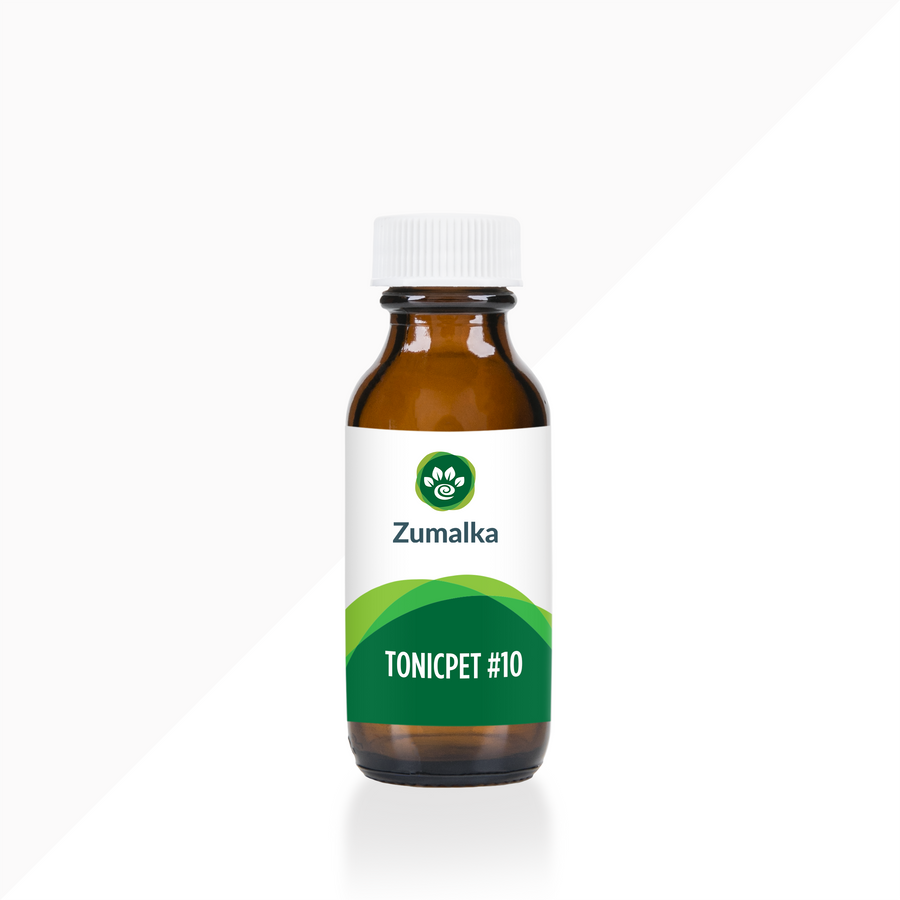
#8. Zumalka’s TONICPET #10 supports comfortable, healthy digestion.

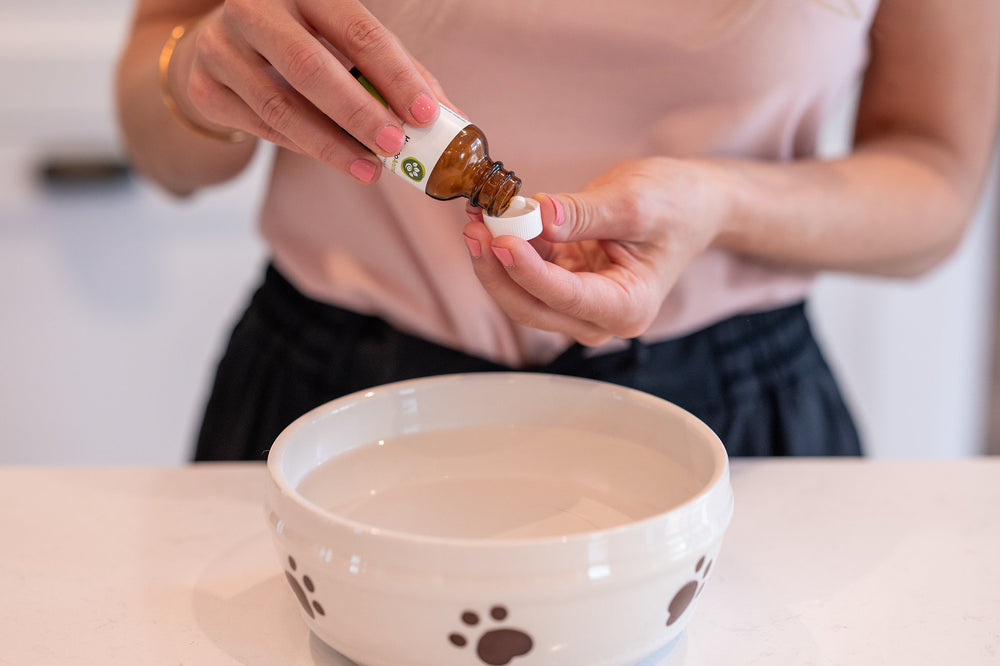
Zumalka’s TONICPET #10 is a tissue salt formula designed to help maintain healthy acidity levels in cats and dogs. It supports balanced stomach acidity and comfortable, healthy digestion. The tablets are crushed and mixed with food or water.
Since diarrhea is often a symptom rather than the root cause, identifying the underlying issue with your vet is essential. Remember, human medications should never be given to your dog. Additionally, avoid excessive treats or rich foods until the diarrhea has resolved.
When Should You Seek Professional Help for Dog Diarrhea?

As mentioned earlier, a single episode of diarrhea is usually not a cause for concern. However, it's important to monitor your dog for other clinical signs associated with this condition, such as:
- Straining while passing only small amounts of stool may indicate a blockage
- More than two episodes of diarrhea, especially in immunocompromised dogs
- Recurring diarrhea within a short period, particularly in young puppies or senior dogs
- Black, tarry stool, which may signal internal bleeding
- Excessive drooling and loss of appetite
- Lethargy and signs of dehydration
If you notice any of these clinical signs, contact your veterinarian promptly, as they may indicate serious underlying conditions.
FAQs
What can I feed my dog with mild diarrhea?
Feed your dog plain white rice, boiled chicken, or canned pumpkin to keep meals gentle. Probiotics, plain yogurt, and hydration support digestion. Consult your vet or holistic specialist if diarrhea persists or worsens.
How long does dog diarrhea last?
Mild dog diarrhea typically lasts 24 to 48 hours. If it persists beyond two days, recurs frequently, or includes symptoms like lethargy or dehydration, consult your vet to rule out underlying health issues. A pet homeopathy expert can help with a general wellness routine.
What is the most common cause of diarrhea in dogs?
Diarrhea in dogs is often caused by dietary changes, food intolerance, infections, parasites, or stress. If it persists or includes other symptoms, consult your veterinarian to identify the cause.
How can I help my dog feel better during mild diarrhea?
Offer small bland meals such as plain white rice, boiled chicken or canned pumpkin, and plenty of water. Ask your vet about a dog-specific probiotic. If symptoms persist beyond 48 hours, consult your veterinarian.
What does parvo poop look like?
Parvo poop is often foul-smelling, liquid, and may contain blood or mucus. It typically appears dark red or brown. If your dog has diarrhea with these symptoms, seek immediate veterinary care, as parvovirus is highly contagious and life-threatening.
What are the first signs of parvo?
The first signs of parvo in dogs include lethargy, fever, vomiting, loss of appetite, and foul-smelling, bloody diarrhea. Since parvovirus spreads rapidly and can be deadly, immediate veterinary care is crucial for proper treatment and recovery.
What does unhealthy poop look like in dogs?
Unhealthy dog poop may be watery, mushy, too hard, or contain mucus, blood, or worms. Color changes like black, red, or yellow can signal health issues. Persistent changes need a vet visit.
Why does my dog have diarrhea but is acting fine?
Your dog may have diarrhea but act fine due to mild dietary changes, food intolerance, or stress. If diarrhea lasts over 48 hours, recurs, or worsens, consult your vet to rule out underlying health issues and ensure proper care.
Should I feed my dog if he has diarrhea?
Yes, feed your dog a bland diet of plain white rice, boiled chicken, or canned pumpkin in small portions. Ensure hydration, and consult your vet if diarrhea persists beyond 48 hours or worsens.
How to tell if your dog has a blocked intestine?
Signs of an intestinal blockage in dogs include vomiting, loss of appetite, bloating, constipation or diarrhea, abdominal pain, and lethargy. If you notice these signs, seek immediate veterinary care, as blockages can be life-threatening without prompt treatment.
Is scrambled egg good for dogs with diarrhea?
Yes, plain scrambled eggs can be good for dogs with diarrhea. They are easy to digest and provide protein. Serve them without seasoning, oil, or butter. If diarrhea persists, consult your veterinarian.
What foods are gentle on a dog’s stomach?
Plain white rice, boiled chicken, canned pumpkin, and plain yogurt are gentle on digestion in dogs. Probiotics and white rice broth support gut health. If diarrhea persists or worsens, consult your veterinarian for proper care.
What is the best dog food for a sensitive stomach?
The best dog food for a sensitive stomach includes easily digestible ingredients, lean proteins like chicken or salmon, and probiotics for gut health. Limited-ingredient and grain-free diets can help. Consult your vet or qualified pet homeopath for the best option.
What is the best fiber for dogs?
The best fiber for dogs includes pumpkin, sweet potatoes, carrots, and apples. These support digestion and gut health. Soluble and insoluble fiber sources help regulate bowel movements. Consult your vet or pet homeopathy specialist for the ideal fiber intake.
What is a gentle fiber source for constipated dogs?
Safe laxatives for dogs include canned pumpkin, plain pumpkin puree, and psyllium husk. These natural fiber sources promote healthy digestion. Always consult your veterinarian or pet homeopathy expert before using laxatives to ensure proper dosage and suitability for your dog’s needs.
What homemade dog food has high fiber?
High-fiber homemade dog food includes pumpkin, sweet potatoes, carrots, green beans, and brown rice. These support digestion and gut health. Consult your vet or qualified pet homeopath to ensure a balanced diet tailored to your dog’s needs.
How can I help my dog digest food better?
To improve your dog’s digestion, provide a high-fiber diet with probiotics, lean proteins, and easily digestible foods like pumpkin and rice. Ensure proper hydration, regular exercise, and consult your vet or a pet homeopathy specialist for personalized dietary recommendations.
How can I settle my dog’s stomach?
To settle your dog’s stomach, offer plenty of water, feed a bland diet like boiled chicken and white rice, and provide probiotics for gut health. Avoid rich foods, and consult your vet if symptoms persist or worsen.
What is the easiest food for dogs to digest?
Easily digestible foods for dogs include boiled chicken, white rice, pumpkin, sweet potatoes, plain eggs, and plain yogurt. These gentle options support gut health. Consult your vet or a holistic pet expert for personalized dietary guidance.
Does adding water to dog food help digestion?
Yes, adding water to dog food can aid digestion by softening kibble, making it easier to chew and absorb nutrients. It also helps keep dogs hydrated and supports gut health. Consult your vet or pet homeopathy specialist for specific dietary recommendations.
Is it okay to put warm water on dry dog food?
Yes, adding warm water to dry dog food is safe and can enhance digestion, release aromas, and make kibble easier to chew. Avoid hot water to prevent nutrient loss. Consult your vet or qualified pet homeopath for specific feeding recommendations.
How to know if a dog has bloat?
Signs of bloat in dogs include a swollen belly, restlessness, excessive drooling, attempted vomiting with little success, and trouble breathing. This condition is also known as Gastric Dilatation-Volvulus (GDV). Bloat is life-threatening, so seek immediate veterinary care if your dog shows these signs.
A Final Word
While diarrhea is a common issue in dogs, it should never be ignored. Identifying the root cause is essential to ensuring your pet receives proper care. Gentle home care can keep your dog comfortable during mild diarrhea, alongside your vet’s advice.
However, if your dog’s diarrhea worsens or persists, it’s important to consult your veterinarian for further guidance.
About the author


Leave a comment