

The Best Vet-Approved Diet for Cats with Cancer


List of Contents
Did you know that nutrition plays a critical role in helping cats fight cancer, supporting both treatment and overall well-being? The primary goal is to maintain calorie intake, strength, and quality of life throughout the journey.
Nutritional care for cats with cancer must be tailored to their individual needs, as no single diet fits every case. Factors like cancer type, treatment protocol, and existing health conditions all influence the best dietary approach.
Cancer Nutrition for Cats: Key Macronutrient Goals

Cancer cells disrupt normal metabolism by rapidly consuming glucose and amino acids for fuel. However, they’re less efficient at using fat, making dietary adjustments a strategic way to support your cat’s health.
Prioritizing protein (muscle maintenance)
For cats with cancer, elevated protein intake is essential to preserve muscle and support healing. A target of 40–50% protein (dry matter basis) is generally recommended to meet their increased nutritional needs.
High-quality protein is essential for maintaining lean body mass, preventing muscle wasting (cachexia), and supporting immune function in cats with cancer. This is especially beneficial when liver and kidney function are normal.
Beneficial fats (concentrated energy)
For cats with cancer, a fat content of 25–40% (dry matter basis) is often recommended. Fat is a dense energy source that helps meet caloric needs without overfeeding. It also enhances food palatability, which can be especially helpful for cats with reduced appetites.
Carbohydrate considerations (limiting the tumor’s fuel)
Limiting carbohydrates to 25% or less on a dry matter basis is commonly recommended for cats with cancer. While tumor cells prefer glucose for energy, current research does not clearly show that strict carb restriction improves survival in pets. Additionally, cats can produce glucose through gluconeogenesis, even when dietary carbs are limited.
How to Make Cancer Diets Appealing to Cats

When it comes to feeding a cat with cancer, the most important factor is palatability. Your cat needs to consistently eat, even if the food isn't "perfect" nutritionally. Prioritizing foods they enjoy helps maintain calorie intake, strength, and quality of life.
Boosting food appeal for cats with cancer
- Warming your cat’s food for just a few seconds can enhance its aroma and make it more enticing. Offering small meals three to five times a day also helps maintain appetite and steady nutrient intake.
- Adding pet-safe flavor enhancers like tuna juice, plain cooked chicken, or broth (without garlic or onion) can help stimulate your cat’s appetite. These simple additions can make meals more appealing without compromising their nutritional goals.
Managing appetite loss and food aversion in cats with cancer
- Avoid force-feeding or syringe-feeding cats with cancer, as it can lead to food aversion and worsen their appetite. Forcing food may cause your cat to associate eating with discomfort or nausea, making future meals even more challenging.
- If your cat is struggling to eat, your veterinarian may recommend appetite stimulants or anti-nausea medications to provide relief and encourage feeding. Therapeutic recovery diets are also available and can offer highly palatable, nutrient-dense support during treatment.
- When appetite loss becomes severe, a feeding tube may be recommended to maintain proper nutrition. Most cats tolerate feeding tubes well, and they can be a safe, effective way to support recovery and overall health during cancer treatment.
Safe Supplement Use for Cats with Cancer: What to Avoid

Not all supplements are safe for cats with cancer. Some can do more harm than good. Learn which ingredients to avoid to protect your cat’s health and support their cancer treatment effectively.
Essential supplements to consider

Omega-3 fatty acids (EPA and DHA) from fish oil are essential supplements for cats with cancer. They provide calorie-dense nutrition and may help reduce inflammation and slow cancer growth. Aim for at least 5% on a dry matter basis for maximum benefit.
Zumalka’s PIPTOPET is formulated to help strengthen the immune system and promote overall vitality using homeopathic ingredients. PIPTOPET is an easy, non-invasive way to complement your pet’s wellness routine, backed by a holistic approach you can feel good about.
Foods and ingredients cats with cancer should avoid
For cats battling cancer, raw diets can be dangerous due to a higher risk of bacterial infections. Their lowered immunity makes them especially vulnerable to pathogens like Salmonella and E. coli.
Homemade diets may seem like a healthy choice, but without guidance from a board-certified pet nutritionist, they often lack critical nutrients. For cats with cancer, these imbalances can negatively impact recovery and overall health.
Some common foods are highly toxic to cats and should always be avoided, especially during cancer treatment. Ingredients like garlic, onions, grapes, raisins, chocolate, and xylitol can cause serious harm or even be fatal.
Team Up with Experts for Better Cancer Care
Avoid making sudden diet changes when your cat starts cancer treatment, as this can cause digestive upset and confuse treatment side effects. If a change is necessary, transition slowly over several days and consult your vet or a pet nutritionist for guidance.
Veterinarians assess your cat’s weight, Body Condition Score, and Muscle Condition Score to create a personalized nutrition plan. These evaluations help guide dietary adjustments throughout the cancer journey to support strength and recovery.
A Final Word
There’s no one-size-fits-all diet that cures cancer in cats, and strict nutrient restrictions haven’t been proven to extend survival. The ultimate goal is supporting your cat’s comfort, strength, and quality of life through balanced, individualized nutrition.
The top priority during cancer treatment is keeping your cat well-nourished, strong, and eating enough to maintain quality of life. The best diet is the one your cat will consistently eat and enjoy.
Key takeaways to remember
- High-quality protein is essential for cats with cancer, ideally making up 40–50% of their diet on a dry matter basis. It helps prevent muscle wasting and supports immune function during treatment.
- For cats with cancer, healthy fats provide concentrated energy that helps maintain weight and strength. Aim for 25–40% fat on a dry matter basis to support your cat’s nutritional needs during treatment.
- Omega-3s like EPA and DHA can support cats with cancer by reducing inflammation and adding calorie-dense nutrition. Supplementing with fish oil may help improve comfort and overall well-being during treatment.
- Raw diets are unsafe for cats with cancer, as their weakened immune systems can’t fight off dangerous bacteria like Salmonella and E. coli. Even a single exposure can lead to serious, life-threatening infections during treatment.
- Always consult your veterinary oncologist or a board-certified nutritionist before adding supplements or switching to a homemade diet. Expert guidance ensures your cat’s nutrition supports, rather than interferes with, cancer treatment.
-
PIPTOPET is a natural remedy formulated to boost your pet’s immune system and support overall vitality. Made with natural ingredients, it helps promote long-term health and wellness.
FAQs
What are the ideal macronutrient ratios for a cat with cancer?
A high-protein, high-fat, low-carbohydrate diet is ideal for cats with cancer, based on dry matter (DM) values: aim for 40–50% protein, 25–40% fat, and less than 25% carbohydrates. This protein-rich profile helps preserve lean muscle and supports immune function during treatment.
Does feeding a low-carb diet starve the tumor?
This is a common theory, as cancer cells efficiently use carbohydrates (glucose). However, there is no strong scientific evidence demonstrating that strictly restricting carbohydrates improves survival outcomes in cats. If the diet lacks glucose, the cat’s liver will simply create it through gluconeogenesis, often by catabolizing the cat’s own body tissues.
Should I give my cat Omega-3 fatty acids or other supplements?
Omega-3 fatty acids (EPA/DHA, typically from fish oil) are often recommended, with a dietary level of 5% DM or greater. They provide healthy fats, may have "anti-cancer" effects, and help reduce the damaging inflammation associated with cancer wasting (cachexia). Always discuss supplements with your oncologist or veterinarian before starting them, as some may negatively interact with treatments.
What is the most critical factor if my cat has a decreased appetite (hyporexia)?
The single most important goal is ensuring your cat consumes enough calories consistently. Providing a diet that is highly palatable and that your cat likes to eat is often more important than strictly adhering to specialized macronutrient ratios. Warming the food for 5–10 seconds can enhance the smell and appeal, encouraging them to eat.
Are raw diets or homemade diets safe for cats undergoing cancer treatment?
Raw diets are strongly discouraged. Cats undergoing cancer treatment often have compromised immune systems, making them significantly more susceptible to life-threatening infections from pathogenic bacteria (such as Salmonella or E. coli) found in raw meat. A board-certified veterinary nutritional specialist must formulate homemade diets to ensure they are complete and balanced.
What practical steps should I take if my cat refuses to eat (anorexia)?
If your cat stops eating completely, contact your veterinarian immediately. You can try tempting them with small amounts of warmed, smelly food (like cooked chicken or tuna packed in water). Crucially, do not force-feed (including syringe feeding), as this can cause a severe food aversion, making future feeding more difficult. Appetite stimulants and anti-nausea medications are often effective treatments.
When is the best time to introduce a new diet?
It is strongly discouraged to change your cat’s diet abruptly at the beginning of treatment. This allows your veterinary team to assess whether stomach upset is due to treatment or the new food. If a diet change is required, it should be done gradually over several days, and only after consulting with your veterinarian or oncologist to ensure it fits your cat's specific medical needs.
What “people foods” are safe to offer a cat with a poor appetite?
To help stimulate appetite, you can safely offer small amounts of cooked meats like boneless, skinless chicken, ground turkey, or scrambled or hard-boiled eggs. Low-sodium chicken or beef broth can also be used as a topper. Just ensure it’s free of garlic and onion. Always avoid toxic foods such as chocolate, grapes, raisins, and xylitol.
About the author
1 comment
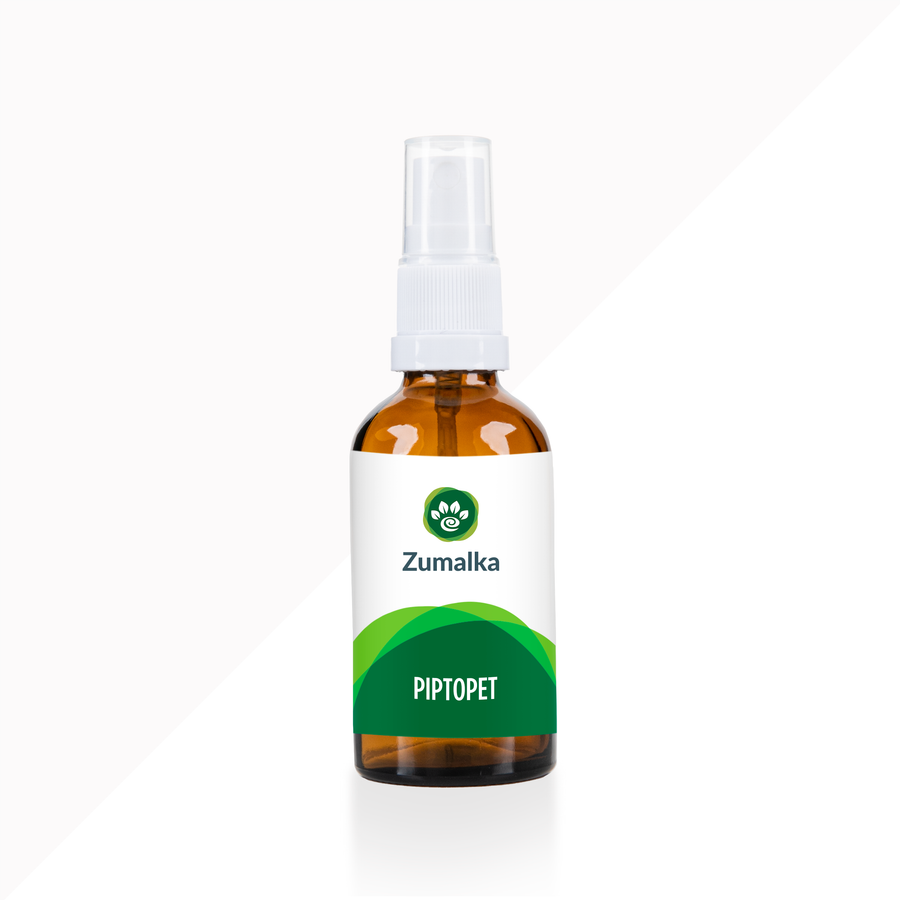



Piptopet- have a problem giving cat with mouth cancer. Does not like sprayed in mouth and he does not drink all his water to get it all. So what is 3 sprays in ml’s so I could give in a small syringe. Also the turkey tail is in capsule form which is to much to put in a treat and is to much for a syringe. How can I give both of these. The small pills are great like in the #7 and #10 because they are very small and fit very easily in a treat. Any help on this would be great.
Thank you
JR Wyandt
Leave a comment