

Cat Skin Cancer: Early Signs & Vet-Approved Natural Support


List of Contents
- Warning Signs of Cat Skin Cancer: What to Look for Now
- Top Cat Skin Cancers: Quick Guide to the Most Common Types
- Holistic Ways to Reduce Your Cat’s Risk of Skin Cancer
- Natural & Complementary Therapies to Support Cats with Cancer
- PIPTOPET: Natural Immune Support for Cats Facing Cancer
- What to Ask Your Veterinarian About Cancer Care for Your Cat
- The Bottomline
- FAQs
Cat skin health is more important than many pet owners realize. Each year, around 6 million cats in the U.S. are diagnosed with cancer, and skin tumors are among the most common.
Early detection of cat skin cancer is crucial for a better prognosis and a full recovery. Although many lumps are harmless, some may be cancerous. Because you can’t tell just by looking, a vet should check any new or unusual bump.
Why natural support matters in treating cat skin cancer

Conventional cancer treatments like surgery and chemotherapy act fast, like elite forces taking out the primary threat. However, to support your cat’s full recovery, a holistic approach is equally important. It helps rebuild strength, boost resilience, and care for the whole body, not just the disease.
Holistic therapies, such as homeopathic remedies, supplements, nutrition, and immune support, act as the body’s supply line, helping your cat stay strong during and after treatment. They minimize side effects and boost natural defenses, supporting long-term healing once the main cancer threat is addressed.
Warning Signs of Cat Skin Cancer: What to Look for Now

Skin cancer in cats can appear in many forms, often showing up as unusual lumps, bumps, sores, or scabs that don’t heal. These spots may appear harmless at first, but they can signal a more serious underlying issue. Catching changes early gives your cat the best chance for successful treatment.
Use this quick checklist to spot visual signs of skin cancer in cats
- Unusual lumps or bumps on your cat’s skin, especially ones that don’t go away, can be an early sign of skin cancer. If a growth lingers or changes, it’s time to have it checked by a vet.
- Persistent sores, scabs, or crusty patches that won’t heal (despite treatment) can be a warning sign of cat skin cancer. If the area keeps reopening or forms new scabs repeatedly, it’s time to consult your vet.
- Watch for any lump that changes in size, color, or shape. These shifts can be early signs of cat skin cancer. Colors like black, brown, red, pink, or grey may indicate something more serious and should be checked by a vet.
- Frequent scratching, licking, or grooming of one area may indicate skin irritation or something more serious, like cancer. Ongoing discomfort should be evaluated by a veterinarian.
In addition to veterinary care, a certified pet homeopath can offer valuable support for managing cat skin cancer. Their guidance may help strengthen your cat’s natural healing process and overall well-being.
Top Cat Skin Cancers: Quick Guide to the Most Common Types
Some types of skin cancer are more common in cats than others, and recognizing them early can make all the difference. This quick guide covers the top culprits, what they look like, and why prompt attention matters.
Squamous cell carcinoma (SCC)
Squamous cell carcinoma (SCC) is the most common type of skin cancer in cats, often affecting areas with little or no pigmentation. It usually appears as red, scaly, or crusted lesions on the ears, nose, eyelids, or lips. White or light-colored cats are especially at risk, as prolonged exposure to ultraviolet (UV) sunlight is the primary cause.
Basal cell carcinoma (BCC)
Basal cell carcinomas (BCCs) are often found on a cat’s head, neck, or legs and may appear as ulcers or raised bumps. While many are benign, malignant forms do occur and should be evaluated by a veterinarian.
Mast cell tumor (MCT)
Mast cell tumors (MCTs) in cats often appear as single, firm, hairless lumps, commonly on the head or neck. While many are benign, some can be malignant, so any suspicious growth should be examined by a veterinarian.
Fibrosarcoma
Fibrosarcoma is a cancer that forms in the soft tissues under a cat’s skin, often appearing as firm, uneven lumps. Some types, called injection-site sarcomas, may develop in areas where vaccines or injections were previously given.
Holistic Ways to Reduce Your Cat’s Risk of Skin Cancer

Preventing cat skin cancer often starts with reducing exposure to environmental risk factors. Limiting sun exposure, avoiding toxins, and supporting overall health can lower the chances of cancer developing.
Cats with light or thin coats are more prone to sun damage, increasing the risk of skin cancer on the ears, nose, and face.
Extended sun exposure is a major risk factor for squamous cell carcinoma (SCC) in cats. UV radiation can damage vulnerable skin, particularly on the ears, nose, and face of light-colored or thin-coated cats.
Cats with white or light-colored fur, thin coats, or pink noses and ears are at higher risk for sun-related skin cancer. These sensitive features make them more vulnerable to UV damage, especially during peak sunlight hours.
Try to keep your cat indoors between 10 AM and 3 PM, when the sun’s rays are most intense. If they go outside, ensure they have access to plenty of shade for protection. Apply pet-safe sunscreen (SPF 30 or higher) to exposed areas like your cat’s nose and ears before outdoor time.
Never use human sunscreen on your cat, especially products containing zinc oxide, as it’s toxic if licked or ingested. Make sure you always choose a pet-safe formula specifically made for animals.
Household cleaners, lawn chemicals, and secondhand smoke can raise your cat’s cancer risk over time.
Secondhand and thirdhand smoke can significantly increase your cat’s risk of cancers like lymphoma, nasal tumors, and SCC. Cats often ingest toxic residues while grooming, making even smoke particles on furniture or clothing a hidden danger.
Limit your cat’s exposure to harmful substances like asbestos, household cleaners, and outdoor pesticides. Reducing contact with these toxins may lower their risk of developing certain cancers over time.
Natural & Complementary Therapies to Support Cats with Cancer
Holistic veterinarians often combine conventional treatments with natural therapies to improve outcomes for cats with cancer. These complementary approaches help strengthen the immune system and support overall well-being during recovery.
Consulting a certified pet homeopath can enhance the effectiveness of natural therapies used alongside conventional cancer treatment. Their expertise helps ensure safe, personalized support for your cat’s healing process.
Immune-boosting supplements for cats with cancer
Complementary therapies focus on improving your cat’s quality of life, easing discomfort, and supporting long-term wellness. They can also help reduce side effects from conventional treatments and strengthen the immune system to better fight cancer.
- Omega-3 fatty acids (EPA and DHA) from cold-water fish oil can help lower inflammation, enhance immune response, and potentially slow the spread of cancer in cats. They may also protect the skin from damage caused by radiation therapy.
- Vitamins A, C, and E, along with minerals like selenium, zinc, and manganese, act as antioxidants that support overall health in cats undergoing cancer treatment. When used in higher amounts, they may also help block cancer cell growth and promote early cell death.
- Arabinogalactans are natural polysaccharides from the larch tree known for their anti-inflammatory and immune-boosting properties. They may also help prevent cancer cells from spreading to the liver by blocking certain chemical processes.
A cancer-supportive diet can help strengthen your cat’s immune system, maintain energy, and improve quality of life during treatment.
Nutrition is essential for cats with cancer, as malnutrition is a common cause of decline in feline patients. A well-balanced diet can support energy, immunity, and overall treatment success.
- Cats with cancer often need a nutrient-rich diet tailored to support their energy and immune function. In many cases, this includes higher levels of protein and healthy fats to help maintain strength and body weight.
- Feeding your cat a balanced, antioxidant-rich diet can help support immune function and overall health. Key nutrients like vitamins A, C, and E may enhance the body’s natural ability to fight illness during cancer treatment.
- Consult your veterinarian or a certified pet nutritionist to create the best diet plan for your cat’s specific cancer needs. Expert guidance ensures safe, targeted nutritional support.
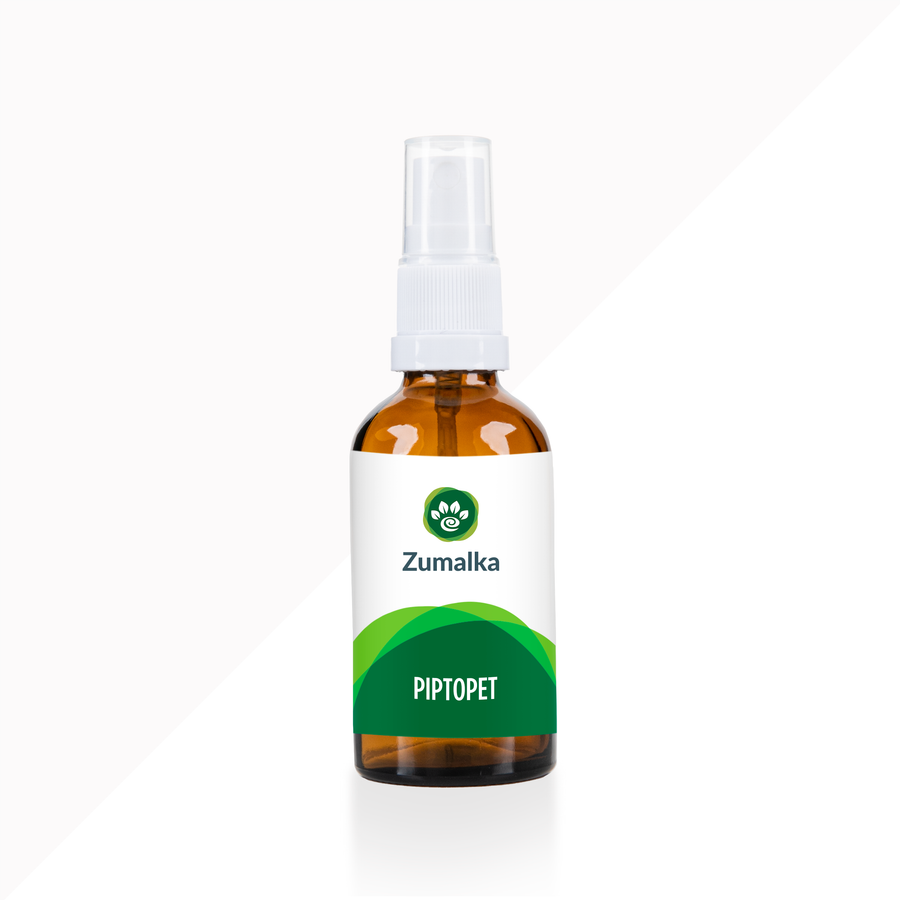
PIPTOPET: Natural Immune Support for Cats Facing Cancer

Zumalka’s PIPTOPET is a natural remedy designed to support your pet’s immune system, especially during cancer care. Its key ingredient, Fomitopsis betulina (birch polypore), has been traditionally used to help the body fight abnormal cell growth while promoting overall vitality.
This gentle, non-toxic formula can be safely used alongside conventional treatments, making it an excellent complementary option for cats or dogs. Supporting the immune system naturally helps your pet feel stronger and more resilient throughout their healing journey.
Trusted by holistic veterinarians and pet parents alike, PIPTOPET is formulated to help maintain health without harsh chemicals or side effects. If you're looking for a natural way to support your pet’s wellness during cancer, this carefully crafted option may be worth exploring.
SILVERPET is a soothing boost for cats with cancer

Looking for a gentle, natural way to boost your pet’s immune system? SILVERPET provides a safe, chemical-free solution that supports your pet’s ability to fight infections, ideal for skin issues, respiratory concerns, and everyday wellness. Give your pet the natural protection they deserve.
Whether your cat or dog is recovering from illness or needs extra support during seasonal changes, SILVERPET offers a safe, natural boost for immune health and skin healing. Trusted by pet parents and made with natural ingredients, it’s an easy, effective addition to your pet’s care routine.
What to Ask Your Veterinarian About Cancer Care for Your Cat

If you notice an unusual lump or sore on your cat’s skin, schedule a veterinary visit promptly. Early diagnosis can improve outcomes, and a certified pet homeopath may offer additional support for your cat’s recovery.
Only a veterinarian can accurately diagnose cat skin cancer, distinguishing harmless lumps from those that may be serious or life-threatening.
To diagnose skin cancer in cats, a veterinarian may start with a physical exam followed by imaging like X-rays or an ultrasound. A fine needle aspirate or biopsy is often needed to identify the cancer type and determine how advanced it is.
Surgery is the primary treatment for most cat skin cancers and offers a good prognosis when the tumor is caught early and completely removed. If the cancer is too large or has spread, chemotherapy or radiation may be recommended as follow-up care.
The Bottomline
Early detection and an accurate diagnosis give your cat the best chance for successful treatment. Staying alert to warning signs and partnering with your veterinarian allows you to take timely, proactive steps.
Natural therapies, supplements, and a cancer-supportive diet can enhance conventional treatments and improve your cat’s overall well-being. With guidance from a holistic vet or certified pet homeopath, you can create a care plan tailored to your cat’s unique needs.
Whether you're managing an active diagnosis or focusing on prevention, supporting your cat’s immune system is key. Safe, vet-approved options like PIPTOPET may offer gentle, effective support throughout your cat’s healing journey.
FAQs
What visual signs should alert me to potential feline skin cancer?
Look for persistent sores that don't heal, or unusual lumps, bumps, or scabs that are changing color (such as red, black, pink, or brown) or size, as these are common manifestations of feline skin tumors. Because it is impossible to visually distinguish a benign growth from a malignant one, contact your veterinarian immediately for necessary diagnostic testing.
What is the primary cause of skin cancer in cats?
Excessive exposure to sunlight and its ultraviolet (UV) radiation is the leading cause, specifically linked to the development of the common squamous cell carcinoma (SCC). Cats with white or light-colored fur, especially on their ear tips, nose, and eyelids, have the highest susceptibility to these sun-induced lesions.
How do holistic therapies complement traditional cancer treatment?
Complementary treatments are used to help the cat live longer, boost the immune system, and minimize side effects caused by conventional therapies. Effective natural supports include Omega-3 fatty acids (EPA/DHA) to reduce inflammation and inhibit tumor spread, and specific antioxidants to aid nutritional status and cellular health.
Can I prevent my cat from getting sun-induced skin cancer?
Yes, minimize exposure to direct sunlight, particularly by keeping high-risk cats (white/light-colored) indoors during peak hours, and always provide ample outdoor shade. You may apply a pet-safe, waterproof sunblock (SPF 30 or above) to vulnerable areas like the ear tips and nose, but strictly avoid human sunscreens containing zinc oxide, which can be toxic if ingested.
Which types of skin cancer most commonly affect cats?
The four most frequently diagnosed skin neoplasms are squamous cell carcinomas (SCC), fibrosarcomas, basal cell carcinomas, and mast cell tumors. Among these, SCC is often considered the most common skin tumor, typically occurring on lightly pigmented or hairless areas like the ear tips and nose.
What is the prognosis for feline skin cancer?
Prognosis depends on the cancer’s type, stage, and location, but early detection and treatment greatly improve the chances of recovery. Surgery is often the most effective option if the tumor can be fully removed, while radiation or chemotherapy may be needed for more advanced cases.
About the author



Leave a comment