
8 Vet-Approved Ear Care Tips for Dogs: Clean, Comfortable Ears and Infection Warning Signs


List of Contents
Watching your dog suffer from an ear infection can be heartbreaking! Constant scratching, head shaking, and visible discomfort are hard to ignore. To emphasize, a dog’s L-shaped ear canals naturally trap moisture and debris, making ear infections more common. This trapped buildup creates a breeding ground for bacteria and yeast.
This article shares vet-approved home care tips that keep your dog’s ears clean and comfortable, plus the signs that mean your dog needs a vet. With the right routine, you can support clean, healthy ears.
Is It Really an Ear Infection? Know the Signs First

Spotting the signs of an ear infection in dogs is the first step toward timely veterinary treatment. Early recognition helps prevent complications and ensures your dog receives the proper care without delay.
A dog with an ear infection may show signs such as red or pink inner ear skin and discharge that’s brown, gray, white, or green. Additional signs of a dog ear infection include a strong, unpleasant odor from the ear, constant scratching or head shaking, and visible scabs, crusts, or bleeding.
These symptoms often indicate discomfort or a worsening condition, making it important to seek veterinary care promptly. Signs of a more advanced ear infection in dogs may include whimpering or crying when the ear is touched, indicating pain.
In severe cases, a dog’s ear infection can affect balance and coordination, leading to disorientation or unsteady movement. These symptoms may signal a deeper issue and should be assessed by a veterinarian right away.
8 Vet-Approved Ways to Care for Your Dog's Ears at Home

Regular at-home care is key to maintaining your dog’s ear health. Try these eight vet-approved habits to keep your dog’s ears clean, comfortable, and healthy.
#1. Gently clean your dog’s outer ear
Gently cleaning your dog’s outer ear is a vital first step in maintaining clean, healthy ears. Use a vet-approved ear cleaner with a soft cloth, gauze, or cotton ball to safely remove wax and debris without irritating the ear.
Do not use cotton swabs (Q-tips) to clean your dog’s ears, as they can push debris deeper and potentially harm the eardrum. If your dog’s ear is very sensitive or painful, stop cleaning and see your veterinarian.
Removing excess hair from a dog’s ears, if your vet or groomer advises it, improves air circulation and reduces trapped moisture. This is important because warm, moist environments create ideal conditions for bacterial and yeast growth.
#2. Use a protective cone or collar
Ear infections can be extremely itchy, and a dog’s instinct to scratch may lead to further irritation or injury. Using a protective cone or collar helps prevent self-trauma while your dog follows the treatment your vet prescribed.
To prevent scratching and rubbing, a protective cone, often called the “cone of shame,” can help protect your dog’s ears during recovery. For a more comfortable option, consider a soft fabric or inflatable collar if your dog resists wearing a traditional plastic cone.
#3. Keep your dog’s nails trimmed
Regular nail trimming helps protect your dog’s sensitive ear area. Shorter nails reduce the risk of scratching and damaging the skin around the ears. Combined with a protective cone or collar, this simple step helps prevent further irritation.
If your dog’s ear has a strong odor, appears inflamed, or shows signs of discharge, it’s important to see a veterinarian promptly. Nail trims and an e-collar alone won’t resolve underlying ear infections or other serious issues.
#4. Ask your vet about gentle outer ear rinses
Some natural rinses are used to keep the outer ear clean, but they should be used with care and never on a sore or infected ear. Always consult your veterinarian first, and a certified pet homeopath can also advise on general wellness.
- Cooled green tea has natural antioxidant compounds and can be used to gently wipe the outer ear. After steeping and allowing it to cool completely, gently swab the outer ear with a soft cloth or gauze.
- A 50/50 mix of apple cider vinegar and water can help clean your dog’s outer ears and loosen wax and buildup, as lab studies on vinegar suggest. However, never use this solution on broken or inflamed skin, as it can sting and cause further discomfort.
- While some sources recommend home remedies like diluted hydrogen peroxide or vinegar for cleaning dog ears, veterinary-reviewed advice often warns against them. These solutions can be too harsh, cause irritation, and leave moisture behind, creating conditions that may worsen ear problems, so ask your vet first.
#5. Address potential underlying issues like dog allergies
Recurrent ear infections in dogs are often linked to underlying issues, especially skin allergies. Working with your vet to identify and manage these root causes is essential for long-term ear health.
Antihistamines, such as diphenhydramine, may help relieve itching caused by allergies, but they do not treat the underlying ear infection. Always consult your veterinarian for proper dosage, as medication guidelines for dogs differ from those for humans.
#6. Keep your dog’s ears dry at all times
Moisture is one of the leading causes of ear infections in dogs, making it essential to keep their ears dry at all times. Drying their ears thoroughly after baths, swimming, or exposure to rain helps keep the ear canal dry and comfortable.
Keeping your dog’s ears dry is essential for healthy ears. Place cotton balls gently in their ears before bathing to help block water, and be sure to dry the ears thoroughly afterward to avoid moisture buildup.
#7. Your dog’s diet and overall health play a crucial role
Your dog’s overall health shows in their ears. A balanced diet, routine exercise, and regular veterinary care support a healthy immune system and healthy skin, including the skin of the ear canal.
Supplements like probiotics and omega-3s, and prescription diets from your vet, may support healthy skin in dogs with allergies. Always consult your veterinarian or a certified pet homeopath before introducing any new supplement or dietary change.
#8. Know what to AVOID putting in your dog’s ears
Knowing what not to put in your dog’s ears is just as important as knowing what’s safe. To avoid irritation and pain, steer clear of the following commonly misused substances and tools:
- Alcohol and hydrogen peroxide are too harsh for a dog’s delicate ear tissue and should be avoided. They can cause stinging, irritation, and may aggravate existing inflammation.
- Avoid using cotton swabs (Q-tips) in your dog’s ears, as they can push debris deeper and risk injuring the sensitive ear canal. This can lead to pain, inflammation, or more serious internal damage.
- Avoid using vinegar on raw or broken skin, as well as undiluted essential oils, as they can cause significant pain and irritation. These substances may worsen inflammation, especially in already sensitive or damaged ears.
- Avoid using human ear drops on your dog, as they may contain ingredients that can harm or irritate sensitive canine ears. Always opt for products made for dogs and approved by your veterinarian.
- Moreover, human soap and shampoo should never be used to clean your dog’s ears, as they can irritate the ear canal and leave behind residue. This buildup may disrupt the natural ear environment and increase the risk of infection.
Don’t Overlook EAR CARE in Your Dog’s Home Routine

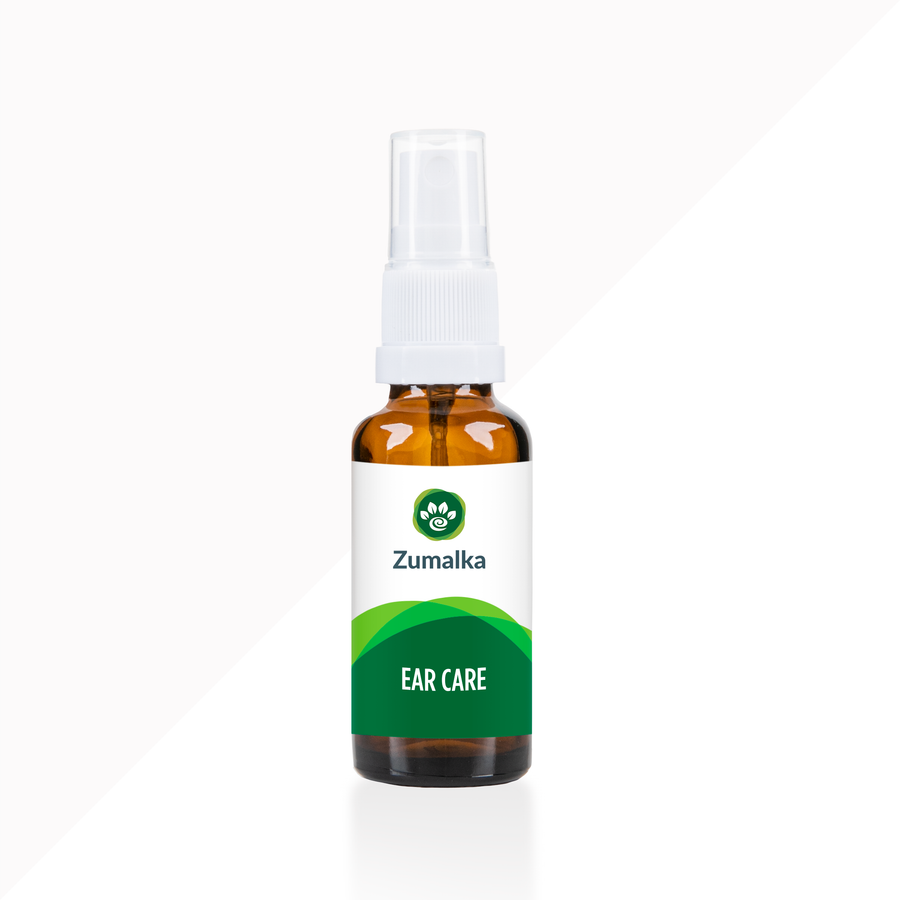
Looking for a gentle natural product to add to your dog’s ear care routine? With so many options available online, choosing the right one can be challenging, but Zumalka’s EAR CARE is a trusted choice worth considering.
EAR CARE is a gentle homeopathic formula that works from the inside out to support your dog’s ear health and comfort. Given as one spray a day in water or directly in the mouth, it promotes happy, healthy ears as part of your dog’s routine. If your dog’s ears are red, swollen, painful or have discharge or a strong odor, see your vet first.
Dog Ear Infection Red Flags: Signs It’s Time to See the Vet

Some ear infections require immediate veterinary attention and should not be treated at home. If your dog shows any of the following serious symptoms, contact your veterinarian right away to avoid complications and protect their long-term health:
- Severe pain is a strong indicator that your dog’s ear infection may be advanced or worsening.
- If signs persist or worsen after a few days, the problem may be more serious than it appears.
- If your dog’s ear is severely swollen, has a strong odor, or is producing significant discharge, these may be signs of a serious infection.
- Visible signs like blood, foreign objects, or other injuries in your dog’s ear require immediate veterinary attention.
- Signs like lethargy, reduced appetite, or balance problems may indicate that your dog’s ear infection is connected to a more serious underlying issue.
The Bottomline
Home care keeps your dog’s ears clean and comfortable, but it cannot replace a professional diagnosis and treatment plan. Always consult your veterinarian about ear problems, and a certified pet homeopath can also advise on general wellness.
Being an informed and proactive pet owner is the best way to support your dog’s long-term health. Your attentiveness can make all the difference in spotting problems early and ensuring your pet stays happy, comfortable, and well-cared for.
When you're unsure about your dog’s ear health, it's always best to consult your veterinarian for a proper diagnosis and treatment plan. You may also seek guidance from a certified pet homeopath about natural options for everyday ear comfort.
FAQs
Can I use leftover ear medication from a previous infection?
No. Never use leftover medications, as some can cause serious harm if the eardrum has been damaged since the last infection.
Which ear infections can be cared for at home?
Only mild outer ear problems (otitis externa) should get home care, and only after your vet has examined your dog. More serious conditions like otitis media (middle ear) and otitis interna (inner ear) require immediate evaluation and treatment by a veterinarian.
Will Benadryl cure my dog's ear infection?
No. Benadryl is an antihistamine that may reduce itching if the cause is allergy-related, but it does not treat the underlying bacterial or fungal infection.
Can you treat a dog's ear infection without a vet?
No. Even mild outer ear infections need a proper diagnosis, as the cause decides the treatment. Once your vet has a plan, home care like gentle cleaning and keeping the ears dry supports comfort. Always consult your veterinarian to avoid complications and ensure safe, effective treatment.
How do vets treat ear infections in dogs?
Treating ear infections in dogs typically requires vet-prescribed medications such as antibiotics, antifungals, or anti-inflammatory drops. A professional diagnosis ensures the right treatment to fully clear the infection.
What do I do if my dog keeps shaking his head and scratching his ear?
Frequent head shaking and ear scratching may indicate an ear infection or irritation. Inspect the ear for redness, discharge, or odor, and consult your veterinarian promptly for proper diagnosis and treatment.
Will a dog's ear infection heal itself?
Most dog ear infections will not heal on their own and may worsen without treatment. Prompt veterinary care is essential to address the cause, relieve discomfort, and prevent long-term damage or recurring infections.
About the author
25 comments



My pug keeps itching his right ear. I regularly clean with soft wet baby wipes. (Also use wipes to clean wrinkles on face). I purchased at pet store a bottle of “Prosense” which says it is an (“Ear cleanser solutions enzymatic formula”). In short, not working. No problems with left ear. What home remedy works best?
Hi Katie,
Thank you for your post. We can for sure do our utmost to help with your poor dog suffering with dermatitis.
We have sent you a private email to help you and your dog in the most targeted way possible.
We look forward to helping your dog feel much better soon!
Regards,
Homeoanimal team
We are in lockdown, our dog suffers from dermatitis which is now present in her ear too. Any advice on how to sooth or even better how to treat?!
Hi Lindsay,
Thank you for sharing your situation with us. We are so sorry to hear about what you and your pet are going through right now.
We would love to help your dog get relief as soon as possible which is why we have sent you a private email so we can give your dog more personalized help.
We look forward to working with you!
Regards,
Homeoanimal.com
I know my dog has ear infection,I’m out of work with coved 19 and I wanted to see if can take a swab of my dogs ears n put in ziplock
And label n so they can see what bacteria is in there,or trust me n give me something,she’s had this going on for years ,but not as much,or give me something minor,I did give her a 1/2 baby aspirin n it seems to make her better..I called her dermatologist and left messag for her to call me,left her email 4 days ago n nothing
Leave a comment