
Cat Diarrhea? 7 Vet-Approved Home Care Tips and When to See the Vet


Diarrhea is a common health concern that most cat owners will encounter at some point. The encouraging news is that mild cases often settle with simple home care, and your vet can help when they don’t.
In this article, we’ll explore simple home care along with practical tips to support your cat’s health and keep them comfortable and happy.
What Is Diarrhea in Cats, Exactly?
Cat diarrhea is characterized by loose, watery, or unusually frequent bowel movements. Normally, a cat’s colon absorbs water from digested food to form a solid stool. Diarrhea occurs when this process is disrupted: either the colon doesn't absorb enough water, or waste moves through the digestive tract too quickly.
Diarrhea can be acute (sudden and short-term) or chronic (lasting longer and recurring), with chronic cases often requiring veterinary attention.
If your cat has diarrhea, monitor them closely for 24 to 48 hours. If it persists beyond 24 hours or is accompanied by symptoms like vomiting, lethargy, appetite loss, dehydration, or blood in the stool, consult your veterinarian promptly.
7 Vet-Approved Home Care Tips for Mild Cat Diarrhea

Mild diarrhea in an otherwise bright, eating cat often settles on its own. These tips help keep your cat comfortable in the meantime. If your cat’s diarrhea persists or worsens, you must consult a veterinarian.
With that in mind, here is how to care for a cat with a bout of mild diarrhea:
#1. A quiet, low-stress space helps your cat rest comfortably.
Rest is essential for a cat with a bout of diarrhea. Create a quiet, stress-free space where they can relax without disruption. Make sure they have access to cozy sleeping areas and consider adding extra litter boxes to prevent accidents.
A calm, comfortable environment helps reduce anxiety.
#2. Make sure your cat always has access to fresh water and diluted, salt-free beef or chicken broth.
Diarrhea can quickly lead to dehydration in cats, so it’s important to encourage regular fluid intake.
Always provide fresh, clean water, and consider offering diluted, salt-free beef broth, without onion or garlic, to make drinking more appealing. Moreover, chicken broth, again without onion or garlic, is another good option. These simple additions can help keep your cat hydrated.
Encourage your cat to take small, frequent sips of water, as drinking too much at once can worsen diarrhea or trigger vomiting. Maintaining hydration gently is key.
Wet food and pet-safe broths can add to hydration, while a cat water fountain may encourage more frequent drinking. In small amounts, cooled rice water offers a gentle, natural way to support your cat’s electrolyte balance.
To help replenish lost electrolytes, you can offer your cat clear, unflavored Pedialyte mixed with water or given carefully with a dropper. Avoid sugary drinks like Gatorade, and consider pet-specific electrolyte solutions designed for feline use.
#3. Adjust your cat’s fiber intake to help regulate digestion and improve stool consistency.
Fiber plays a key role in stool regularity, so adjusting your cat’s intake can affect stool consistency. For mild, ongoing cases, a low-fiber, highly digestible diet is often recommended: look for foods labeled “highly digestible.”
You can add fiber by mixing a small amount of plain canned pumpkin (free of spices and sweeteners) or unflavored Metamucil into your cat’s wet food. Start with 1/4 to 1/2 teaspoons once or twice a day, and monitor your cat closely to see how they respond.
Start with just a small pinch of Metamucil to see how your cat responds. If even a small amount worsens the diarrhea, discontinue use and consult your veterinarian for alternative options.
Always ensure your cat is drinking enough water when adding fiber to their diet, as fiber can cause constipation without adequate hydration. Use Metamucil cautiously in diabetic cats, and avoid flavored varieties or those containing xylitol, which can be toxic to pets.
#4. Feeding a diet your cat tolerates well is gentle on digestion.
When your cat has diarrhea, it’s best to stick with a diet your cat tolerates well. If the symptoms started after a recent food change, try returning to their previous diet. Avoid offering table scraps or human food, as these can disrupt your cat’s digestion and worsen clinical signs.
For possible food sensitivities or allergies, a hypoallergenic or low-antigen diet, ideally under veterinary guidance, may be recommended by your vet.
#5. CBD oil: what to know before trying it.
CBD oil derived from hemp is being studied for its effects on overall wellness in cats through the endocannabinoid system. Research on digestion in cats is limited.
Some pet owners are curious about CBD oil for cats. However, it’s crucial to consult your veterinarian or a qualified holistic pet care specialist before adding CBD oil to your cat’s routine.
#6. Add probiotics to your cat’s diet to support healthy digestion and gut balance.
Probiotics can help support the beneficial gut bacteria in your cat’s gut. These good bacteria play a crucial role in digestion and overall gut health. Probiotic supplements specifically formulated for cats are generally the best option.
Although plain, unsweetened yogurt may offer some probiotic benefits, it often lacks the specific bacterial strains cats need and may upset sensitive stomachs. Since many cats are lactose intolerant, dairy-based options should be used with caution.
For best results, stick with high-quality, cat-specific probiotic supplements to support digestive balance.
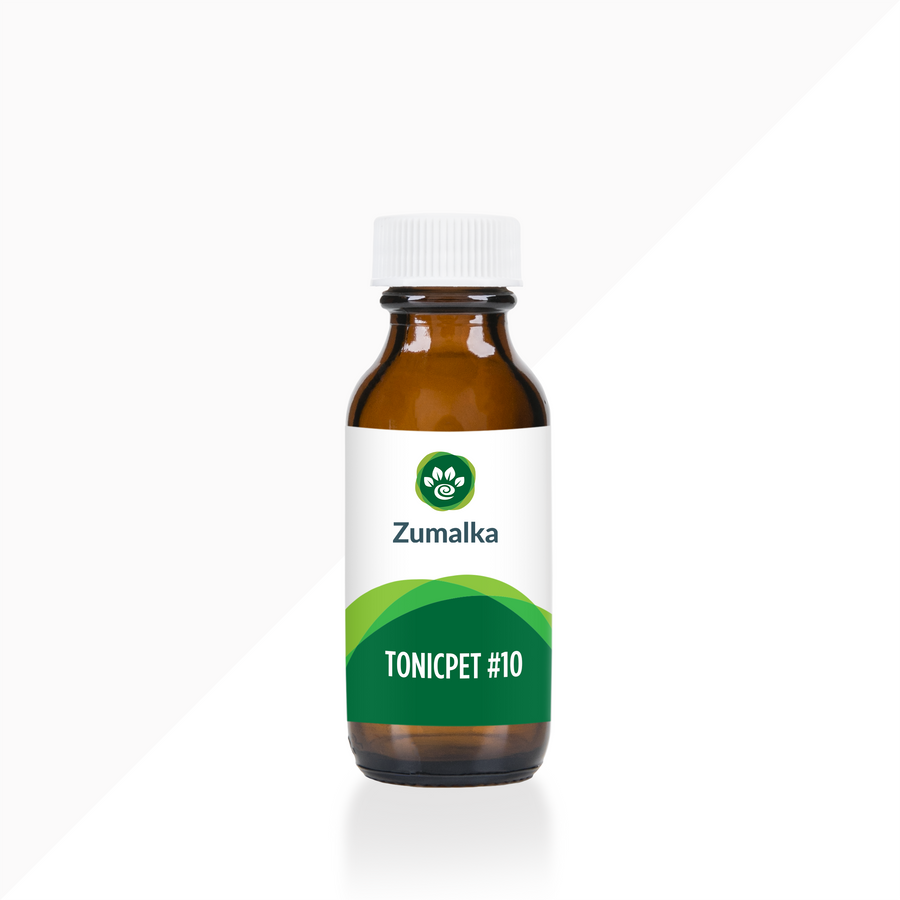
#7. Zumalka’s TONICPET #10 and #9 support comfortable digestion and healthy hydration.

Zumalka’s TONICPET #10 is a tissue salt formula designed to help maintain healthy acidity levels in cats and dogs. It supports balanced stomach acidity and comfortable, healthy digestion.
TONICPET #9 supports healthy hydration and water balance, and promotes proper hydration of the body.
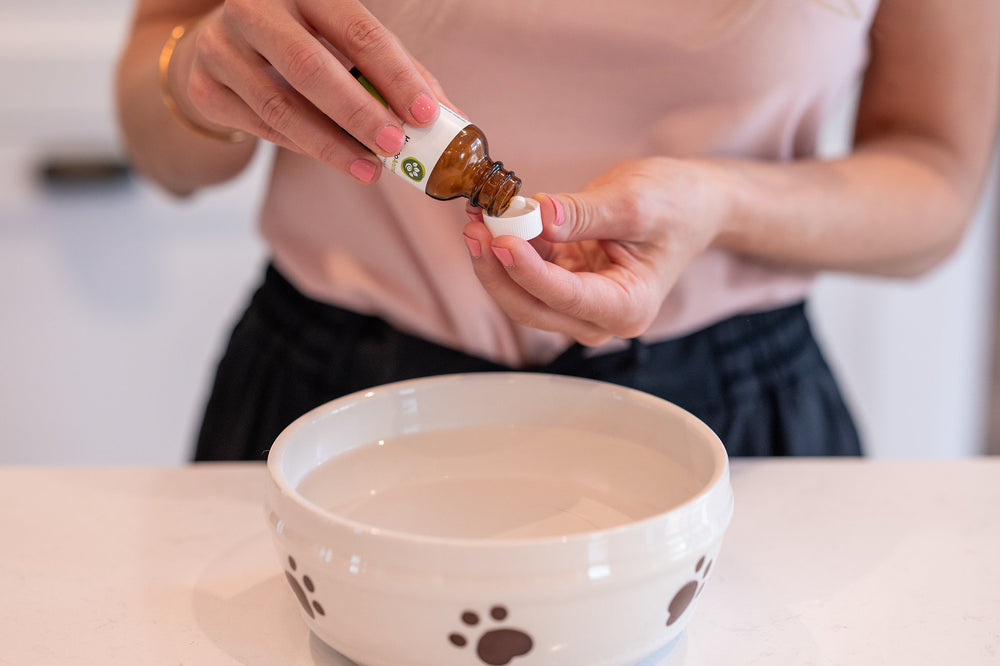
Both are crushed and mixed with food or water. Use them alongside your vet’s care, and see your vet if diarrhea doesn’t settle.
What NOT to Give Your Cat During Diarrhea
Never give your cat over-the-counter diarrhea medications meant for humans, such as Pepto Bismol, Imodium, or Kaopectate. These products are not formulated for feline systems and can be dangerous, even in small doses.
Pepto Bismol and Kaopectate contain salicylates, which are toxic to cats and can cause severe side effects like respiratory failure, gastrointestinal bleeding, seizures, and liver damage. Imodium (loperamide) can also lead to serious complications, especially in certain cat breeds. Always consult your veterinarian before giving your cat any medication.
Moreover, Imodium is a controversial treatment for cats and should only be used under close veterinary guidance. It may cause adverse effects like heightened excitability, suppressed breathing, and mask serious underlying conditions that need specific care. Avoid giving Imodium if there is any chance your cat has ingested a toxin or is fighting an infection.
When You Should Take Your Cat to the Vet for Diarrhea

Home care is only for mild diarrhea in a cat that is otherwise well. Prompt veterinary care is essential when more serious symptoms appear. Seek immediate attention if your cat experiences blood in the stool, persistent vomiting, lethargy, or diarrhea that lasts longer than 48 hours.
These signs could point to an underlying health issue that needs prompt veterinary care. Home care should never replace professional treatment when your cat’s well-being is at risk. Getting veterinary help early can reduce complications and lead to a quicker, safer recovery.
Common Reasons Your Cat Might Have Diarrhea
Like most health issues in cats, diarrhea typically doesn't occur without an underlying cause. There is usually a specific trigger behind the condition. Below are some of the most common causes of feline diarrhea:
- Food allergies or intolerances: Reactions to certain ingredients, including common allergens in commercial cat food.
- Dietary changes or indiscretions: Abrupt food switches, eating spoiled food, table scraps, or non-food items. Even a new batch of the same food can cause issues.
- Lactose intolerance (dairy products): Most cats lack the enzyme to digest milk, leading to digestive upset.
- Infections: Viral, bacterial, or fungal infections can all disrupt gut health.
- Parasites: Intestinal worms, Giardia, and coccidia are common culprits.
- Toxins or drug ingestion: Household chemicals, plants, or accidental medication exposure can lead to diarrhea.
- Reactions to medications: Some antibiotics or anti-inflammatory drugs may upset the digestive system.
- Stress or environmental changes: Moving, traveling, new pets, or changes in routine can trigger stress-related diarrhea.
- Hairballs (occasionally): Straining due to hairballs may mimic signs of diarrhea.
- Constipation (especially in older cats): Watery stool may leak around a blockage, appearing as diarrhea.
- Intestinal blockages: Swallowed objects can partially block the digestive tract, leading to irritation and diarrhea.
- Systemic illnesses: Conditions affecting the liver, kidneys, pancreas, thyroid, or adrenal glands may cause gastrointestinal symptoms.
- Inflammatory Bowel Disease (IBD): A chronic condition causing inflammation of the intestines and frequent digestive issues.
How to Prevent Diarrhea in Cats: What Every Pet Owner Should Know

The good news? Preventing cat diarrhea isn’t as complicated as it may seem. By incorporating a few key practices into your regular pet care routine, you can help keep your cat’s digestive system healthy and happy:
Preventing cat diarrhea starts with a consistent, high-quality diet.
Stick to commercially prepared cat food and avoid sudden changes, as even small shifts can upset your cat’s digestive system. When introducing new foods, do so gradually over 7 to 10 days to allow for adjustment.
To transition your cat to a new diet, gradually mix the new food with their current one over 10 days:
- Days 1 to 3: (25% new, 75% old)
- Days 4 to 6: (50/50)
- Days 7 to 9: (75% new, 25% old).
By day 10, your cat should be fully transitioned. For cats with food allergies or sensitivities, extend the process, as some may require up to 40 days for a successful switch.
Avoid feeding table scraps or human food, which can be too rich or unsafe for feline digestion. If you choose a raw diet, handle it with care to minimize the risk of bacterial contamination.
A safe, toxin-free environment plays an important role in preventing feline diarrhea.
Protecting your cat from parasites is a key step in preventing diarrhea. Make sure your cat stays current on parasite prevention treatments recommended by your veterinarian.
Minimize stress in your cat’s environment, as anxiety can lead to digestive upset. Also, keep garbage, toxic plants, and harmful household substances safely out of reach to reduce the risk of accidental ingestion.
Professional guidance is essential for keeping your cat free from diarrhea and other health issues.
Regular veterinary wellness exams are key to early detection and prevention of digestive issues like diarrhea. These checkups help ensure your cat stays healthy and any concerns are addressed promptly.
If you're interested in gentle, holistic care, consulting a qualified pet homeopathy expert can help with a general wellness routine.
A Final Word
While home care can help keep your cat comfortable during mild, uncomplicated diarrhea, it’s essential to monitor your cat closely. Seek immediate veterinary care if the diarrhea is severe, prolonged, bloody, or accompanied by other worrisome symptoms.
Additionally, working with your veterinarian is the best way to identify the underlying cause and the right treatment. With timely care and attention, most cats recover fully and return to their happy, healthy selves.
FAQs
How can I care for my cat’s diarrhea at home?
To care for your cat’s diarrhea at home, offer a bland diet, ensure hydration, and avoid sudden food changes. Monitor symptoms closely and consult your vet if diarrhea persists for more than 24 hours, worsens, or includes blood.
What helps a cat with mild diarrhea feel better?
A bland diet (like boiled chicken and rice), plenty of fluids and a calm space help keep your cat comfortable. Consult your vet if it lasts more than a day or your cat seems unwell.
How do I firm up my cat's poop?
To firm up your cat’s poop, feed a high-quality, easily digestible diet, avoid table scraps, and introduce new foods slowly. Probiotics and proper hydration can also support healthy stool consistency.
What do I feed my cat if she has diarrhea?
If your cat has diarrhea, feed a bland, easily digestible diet like plain boiled chicken or vet-recommended gastrointestinal food. Avoid dairy, treats, and abrupt food changes. Always consult your veterinarian or holistic pet health expert first.
Can cat diarrhea get better on its own?
Mild cat diarrhea can sometimes resolve on its own, especially if caused by stress or a minor dietary issue. However, persistent or severe cases require veterinary evaluation to rule out serious conditions.
How to make rice water for cats?
To make rice water for cats, boil a cup of white rice in four cups of water until soft. Strain the liquid, let it cool, and offer small amounts to help keep your cat hydrated.
Why is my cat pooping liquid?
If your cat is pooping liquid, it may be due to diet changes, parasites, infections, stress, or underlying health issues. Monitor symptoms and consult a veterinarian to identify the cause.
Will rice help cat diarrhea?
Yes, plain white rice can help firm up a cat’s stool during mild diarrhea. It’s easy to digest and gentle on the digestive system. Mix with boiled chicken and consult your veterinarian or professional pet nutritionist first.
How long does cat diarrhea last?
Cat diarrhea typically lasts 24 to 48 hours if mild and caused by minor issues like stress or diet changes. If it persists beyond two days or worsens, consult your veterinarian promptly.
Do eggs help cat diarrhea?
Cooked eggs may help mild cat diarrhea due to their high protein and easy digestibility. Serve plain, scrambled, or boiled, without seasoning. However, always consult your veterinarian or pet nutritionist before introducing eggs or home remedies.
How to clean cat diarrhea?
To clean cat diarrhea, wear gloves and use paper towels to remove solids. Disinfect the area with an enzyme-based cleaner to eliminate stains and odors. Wash affected fabrics in hot water immediately.
What can I do for my cat’s diarrhea?
Feed a bland diet, keep your cat hydrated, ask your vet about a cat-safe probiotic, and avoid sudden food changes. For persistent or severe cases, consult your veterinarian to diagnose the underlying cause.
What homemade food is gentle on a cat’s stomach?
Homemade cat food that is gentle on digestion includes plain boiled chicken and white rice. It's easy to digest and soothing for the stomach. Introduce gradually and consult your vet or pet nutritionist for proper guidance.
Can I give my cat a banana for diarrhea?
Bananas are not toxic to cats and may offer mild fiber benefits, but they aren’t a proven remedy for diarrhea. Use caution, give small amounts, and consult your veterinarian or pet nutritionist specialist before feeding bananas.
About the author
2 comments


Dear Louise, start with a very small serving of cooked pumpkin, working up to no more than 1 teaspoon (per 10 lbs. of body weight). For small dogs, that max amount might mean ½ teaspoon per day, while large dogs can safely eat 1-4 tablespoons daily. We have sent you an email with a short questionnaire to better help target your pet’s needs.
How much pumpkin should a puppy get?
Leave a comment