
Vet-Approved: 11 Natural Ways to Support Your Cat’s Comfort


List of Contents
Recognizing pain in cats can be challenging since they naturally hide discomfort. Your vet is the first step, and alongside their care there are gentle natural ways to help your cat feel more comfortable.
In this article, we’ll explore natural ways to support your cat’s comfort alongside veterinary care. You’ll also learn how to recognize signs of discomfort, what to avoid giving your cat, and other valuable insights.
How to Decode the Subtle Signs of Pain in Cats

Did you know that surgery, injuries, and arthritis are among the most common causes of pain in cats? Unlike other animals that vocalize or visibly react to pain, cats often display only subtle signs rather than obvious limping or discomfort.
Key behavioral changes in cats may include:
- Avoiding the litter box
- Sudden shifts in sleeping patterns
- Increased hissing
- Changes in grooming habits (either excessive or reduced)
- Hiding
- Unexpected aggression or irritability
- Lethargy
- Withdrawing when approached
- Avoiding touch on certain areas of the body (e.g., abdomen, sides, or back)
Notable physical signs include changes in appetite (eating more or less than usual), difficulty jumping, constant tail flicking, rapid breathing, a hunched posture, and favoring one leg over the others.
If you're unsure whether your cat is in pain or discomfort, it's best to consult your veterinarian for guidance.
Consulting a Professional is Crucial for Managing Cat Pain
As mentioned, consulting your veterinarian is essential if you notice your cat in pain or discomfort. Your vet can diagnose and treat the underlying cause, and a pet homeopath can also advise on general wellness.
Underlying health conditions can cause pain and discomfort in cats, making early detection crucial for their well-being. Always consult your veterinarian before introducing any supplement or medication to ensure your pet’s safety.
11 Vet-Approved Natural Ways to Support Your Cat’s Comfort

Before exploring these natural options, it’s important to emphasize that they should complement, not replace, any veterinary treatment plan, including the pain medication your vet prescribes.
With that in mind, here are vet-approved ways to support your cat’s comfort at home:
#1. Pheromones can help your cat feel calm and secure.
Studies show that pheromones help reduce stress and anxiety in cats, leading to lower pain perception. They create a sense of calm and security, easing discomfort. Shelters even use them to help traumatized or abused cats feel more at ease.
Synthetic pheromone diffusers and sprays are available for this purpose. Always check the label before use to ensure maximum effectiveness.
#2. Turmeric has been studied for its effects on inflammation.
Curcumin, the active ingredient in turmeric, has shown anti-inflammatory, antibacterial, and antifungal effects in lab studies. Studies suggest it helps block inflammatory pathways, and it has been studied in people for exercise-related muscle soreness.
If your vet agrees, the easiest way to give turmeric to your cat is by mixing a small amount into their wet food. The dosage depends on age and size: kittens need just a pinch, while juveniles and adults can have up to ¼ teaspoon.
#3. Hot and cold therapy can ease discomfort and promote relaxation in cats.
Cold therapy is a gentle and effective way to manage acute or sudden pain in cats. It helps reduce inflammation, increase pain tolerance, and ease muscle spasms. Research suggests that the controlled application of cold can also numb nerve endings and lessen the severity of inflammation, providing additional relief.
The easiest way to apply cold therapy for a cat in pain is to use a cold towel, an ice pack, or even a bag of frozen vegetables on the affected area for 2 to 3 minutes at a time. Be sure to place a barrier, such as a cloth or towel, between the cold source and your cat’s skin to prevent discomfort or injury.
In contrast, heat therapy is beneficial for managing chronic or long-term pain in cats. Research suggests that applying controlled heat to the affected area can enhance metabolism and tissue oxygenation, promoting better blood flow.
An easy way to apply heat therapy is to place a warm towel or a hot water bottle on the affected area for at least five minutes. To keep your cat safe and comfortable, always use a barrier between the heat source and the cat's skin, like a towel or cloth.
#4. Omega-3 fatty acids support joint comfort and mobility.
In addition to reducing stiffness and improving mobility, studies show that Omega-3 fatty acids can lower inflammatory compounds, such as prostaglandins and leukotrienes. These benefits support comfort and movement, and omega-3s have been studied in cats with arthritis.
The most useful Omega-3 fatty acids for cats are Eicosapentaenoic Acid (EPA) and Docosahexaenoic Acid (DHA). While Alpha-Linolenic Acid (ALA) is also an Omega-3, it is less potent. These essential fatty acids can be obtained from fish like anchovies, sardines, and salmon, as well as from supplements that provide EPA, DHA, and ALA.
#5. Maintaining an ideal weight supports your cat’s joint comfort.
Did you know that obesity in cats is linked to joint pain? Excess weight puts added stress on a cat’s joints, which can lead to discomfort over time. While the effects may not be immediate, joint issues are likely to develop sooner or later.
Consulting your veterinarian is essential if you need guidance on managing your cat’s weight. In addition to creating a proper nutrition plan and feeding guidelines, they can also help develop a suitable exercise routine.
#6. Consider adding chondroitin and glucosamine supplements to your cat’s routine.
Glucosamine and chondroitin are natural compounds that support healthy joints. Research suggests they support joint lubrication and healthy cartilage, and they are commonly used in pets with osteoarthritis as part of a vet’s plan.
Glucosamine and chondroitin are available in capsule form or as a food additive. To ensure the best results, consult your veterinarian to choose the right supplement, and carefully follow the dosage instructions on the label.
#7. CBD oil is being studied for comfort and calm in cats.
Cannabidiol (CBD) oil has been studied as an analgesic in a cat with osteoarthritis, and research in cats is still limited.
It is generally well-tolerated, with minimal side effects such as occasional head shaking or excessive licking. Additionally, studies suggest cats metabolize CBD oil more quickly than other animals.
If your vet approves it, a commonly cited CBD oil dosage is 1 milligram per 5 pounds of body weight. Alternatively, you can use CBD oil formulated for pets, following the instructions provided in the product leaflet, as there are veterinary-specific CBD products available.
You can either mix it into your cat’s food or administer it directly by mouth. To prevent any complications, always consult your veterinarian before use.
#8. Create a calm and soothing environment for your cat to promote comfort and well-being.
Did you know that stress and anxiety can significantly reduce the effectiveness of pain medications? This occurs because stress activates the sympathetic nervous system, heightening pain perception.
In addition to providing your cat with soft bedding and a quiet, dimly lit space, it’s important to minimize sudden loud noises and excessive handling. Establishing a consistent, stress-free routine can also help promote relaxation and well-being.
#9. Incorporate low-impact exercise into your cat’s daily routine.
While it may seem counterintuitive, gentle exercise can improve blood circulation and enhance joint mobility in cats. Keeping your cat active helps prevent muscle and joint stiffness, a common cause of feline pain. Light exercise is especially beneficial for cats with arthritis or osteoarthritis.
Some of the easiest and most engaging exercises for cats include treat puzzles, laser pointers, and wand toys. To keep your cat motivated, it's best to offer a physical reward, such as a treat, after each session.
#10. A gentle massage can help your cat relax and feel comfortable.
Just like in humans, a gentle massage can help your cat feel better by improving blood circulation. Additionally, soft stroking can stimulate the release of endorphins, helping your cat relax.
Massaging a cat is simpler than you might think. Start with gentle strokes and focus on key areas like the shoulders, spine, and hips. Pay attention to your cat’s response. If they become restless or vocal, stop immediately. Begin with short sessions of 2 to 3 minutes and gradually increase the duration as your cat becomes more comfortable.
#11. Consider high-quality natural supplements to help support your cat’s overall comfort and well-being.

Zumalka offers premium natural products for your cat’s everyday wellness. TONICPET #4 is a tissue salt that supports a healthy immune system, comfortable, active joints and muscles, and healthy circulation and everyday energy.
Additionally, TONICPET #5 supports healthy circulation, clear airways and comfortable tissues, and TONICPET #7 supports the body’s natural immune response and healthy, comfortable skin.
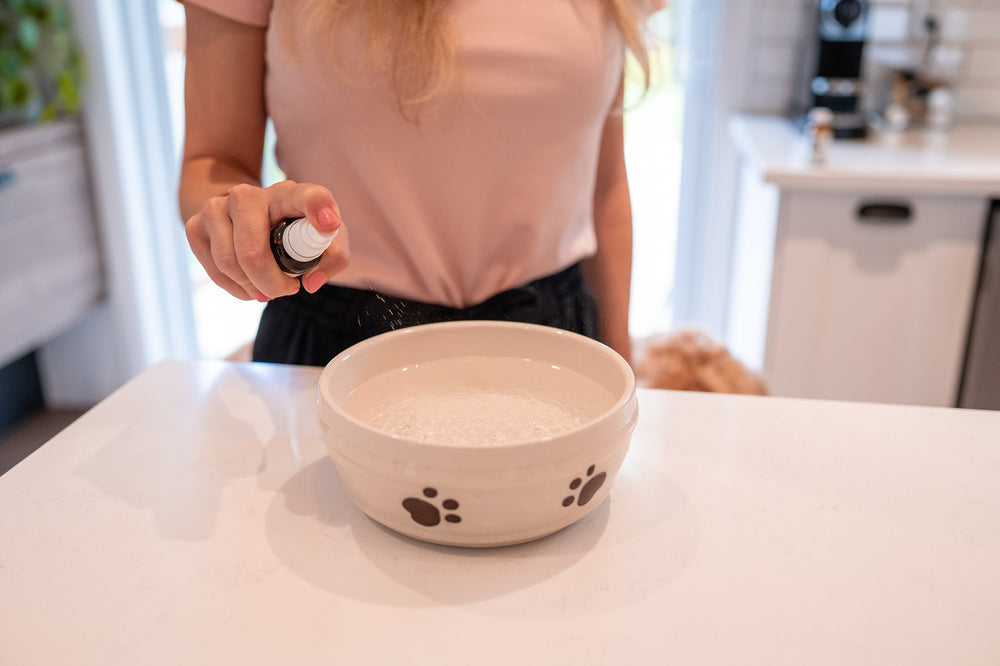
SILVERPET is a colloidal silver spray you can use on the skin and in the mouth. Used on the skin, it supports normal skin health and helps maintain a healthy coat. Used in the mouth, it supports a healthy immune response.
What You Should NEVER Give Your Cat for Pain

Now that we've covered home ways to support your cat’s comfort, let’s go over what you should never give your cat in these situations. Acetaminophen (Tylenol) is highly toxic to cats, as it can cause severe liver damage and red blood cell destruction, which may be fatal.
Additionally, NSAIDs such as aspirin, ibuprofen (Advil), and naproxen (Aleve) can lead to ulcers, kidney damage, and blood clotting issues. Always consult a veterinarian before giving any medication to your cat.
Conclusion
Recognizing the subtle signs of pain in cats is essential for timely intervention. Consulting your veterinarian can help determine any underlying health issues and ensure your cat receives the appropriate care.
It's important to emphasize that natural options can be a valuable supportive tool for your cat’s comfort when used correctly and under your veterinarian’s guidance. Proactively ensuring your cat’s comfort and well-being is key to their happiness. Proper pain management and care can significantly enhance their quality of life.
FAQs
Can I give my cat over-the-counter painkillers like aspirin?
No, over-the-counter painkillers like aspirin, ibuprofen, and acetaminophen are toxic to cats and can be deadly. Always consult your veterinarian for safe, pet-approved pain relief options.
Are there any specific signs I should look out for when assessing my cat's pain?
Yes, signs of pain in cats include limping, reduced activity, hiding, decreased appetite, excessive grooming, vocalizing, or sensitivity to touch. Subtle changes in behavior can indicate discomfort, so always consult your veterinarian if you suspect pain.
Can I use essential oils for pain relief in cats?
No, essential oils can be toxic to cats, even in small amounts. Inhalation or skin exposure may cause serious health issues. Always consult your veterinarian for safe, cat-friendly pain relief options.
How long does it take for joint supplements to show results in cats?
Joint supplements for cats typically take 4 to 6 weeks to show noticeable results. Improvements in mobility, flexibility, and comfort may vary. Consistent use and guidance from a veterinarian are key for the best outcome.
Can weight management help alleviate my cat's pain?
Yes, maintaining a healthy weight reduces stress on your cat’s joints, which supports comfort in cats with arthritis or other conditions. A balanced diet and regular exercise improve mobility and comfort. Consult your veterinarian for guidance.
Are there any alternative therapies that can help relieve cat pain?
Yes. Acupuncture, laser therapy, massage, and joint supplements may support comfort alongside your vet’s pain plan. Always consult your veterinarian to ensure safe, effective treatments tailored to your cat’s needs.
How often should I monitor my cat's pain levels?
Monitor your cat’s pain levels daily, especially if they have arthritis or a chronic condition. Watch for changes in mobility, behavior, or appetite. Regular veterinary checkups help ensure proper pain management and overall well-being.
Are there natural options to support my cat’s comfort?
Turmeric, omega-3 fatty acids, and glucosamine are natural options that may support your cat’s comfort, and Zumalka’s TONICPET #4, which supports comfortable, active joints and muscles, can be part of a wellness routine. Always consult your veterinarian before using any supplement to ensure safety and proper dosage for your cat.
How can I comfort my cat in pain?
Provide a warm, quiet space, gentle petting, and soft bedding to comfort your cat in pain. Minimize stress, ensure easy access to food and water, and consult your veterinarian for proper pain management and treatment options.
What human medicine is safe for cats?
Most human medicines are toxic to cats. Never give medications like ibuprofen, aspirin, or acetaminophen without veterinary approval. Always consult your veterinarian for safe, cat-specific treatments to avoid serious health risks.
What helps a cat's toothache at home?
A soft diet, gentle oral rinses, and cat-safe dental gels may help ease a cat’s toothache. However, dental pain often signals a serious issue, so consult your veterinarian for proper treatment and pain management.
What herb relaxes cats?
Catnip and valerian root can help many cats relax. Always introduce herbs in small amounts and consult your veterinarian to ensure they are safe for your cat. Chamomile tea should not be given to cats to drink.
Can I give my cat paracetamol?
No, paracetamol (acetaminophen) is highly toxic to cats and can cause fatal poisoning. Even small doses can be dangerous. Always consult your veterinarian for safe pain relief options for your cat.
Can I give anything to my cat for pain?
Do not give your cat human painkillers, as they can be toxic. Only use veterinarian-prescribed medications or safe alternatives like joint supplements. Always consult your vet for proper pain management tailored to your cat’s needs.
How to treat a poisoned cat at home?
If your cat is poisoned, seek emergency veterinary care immediately. Do not induce vomiting unless instructed. Keep your cat calm, remove any toxins, and follow your vet’s guidance for proper treatment and recovery.
Can I give my cat amoxicillin?
Never give your cat amoxicillin without veterinary approval. Human antibiotics can be harmful or incorrectly dosed for cats. Always consult your veterinarian for safe, appropriate antibiotics to ensure effective treatment and avoid potential complications.
How to treat a sick cat without going to the vet?
Monitor your cat’s symptoms, keep them hydrated, and provide a quiet, comfortable space. However, home care has limits, and serious illnesses require veterinary attention. Always consult a vet for proper diagnosis and treatment options.
Can milk help a poisoned cat?
No, milk does not help a poisoned cat and may worsen symptoms. If poisoning is suspected, contact a veterinarian immediately. Do not attempt home remedies. Seek professional care for proper treatment and the best chance of recovery.
How to tell if a cat is unwell?
Signs of illness in cats include lethargy, loss of appetite, vomiting, diarrhea, hiding, or changes in grooming and behavior. If your cat shows any unusual symptoms, consult a veterinarian for proper diagnosis and treatment.
Will a cat sleep if in pain?
Cats in pain may sleep more or struggle to rest due to discomfort. Changes in sleep patterns, restlessness, or hiding can signal pain. Always consult a veterinarian if you suspect your cat is in pain.
What is the best painkiller for cats?
Only veterinarian-prescribed painkillers, such as meloxicam or gabapentin, are safe for cats. Human medications can be toxic. Always consult your veterinarian for the best pain management options tailored to your cat’s needs.
Is there a natural antibiotic for cats?
No natural product replaces antibiotics when your cat has an infection, and only your vet can prescribe them. Honey and turmeric have shown antibacterial effects in lab studies, but they are not substitutes for veterinary care, and oregano oil is an essential oil that can be toxic to cats.
How to tell if a cat is in pain?
Signs of pain in cats include limping, reduced activity, hiding, excessive grooming, vocalizing, or sensitivity to touch. Subtle behavioral changes can indicate discomfort, so consult a veterinarian if you suspect your cat is in pain.
What medicine is good for sick cats?
Only veterinarian-prescribed medications are safe for sick felines. Never give human medicine. Always consult your vet for the best treatment based on your cat’s condition.
About the author
2 comments



Hi Barbara, you sound like a great pet parent who is doing her best to support her cat! If you would like some specific recommendations to help him out please look for the email we sent you and our homeopath can make a free recommendation.
Hi I am new this is helping more to keep my 11 yr old cat to be healthy for while longer so I am investigating as much as possible for him sharing with my family as possible to for others as well with there pets others shops watching around too
Leave a comment