

How to Shrink Cat Lipomas Naturally: 6 Vet-Approved Tips


List of Contents
A new lump on your cat can be unsettling, but it’s often a lipoma, a common, non-cancerous fatty tumor. Learning natural ways to manage it can ease your worry and support your cat’s well-being.
Lipomas are slow-growing, non-cancerous tumors made of fat cells, typically found under the skin. While common in dogs, they’re less frequent in cats and usually appear as soft, round, movable lumps.
Before trying any natural treatment, always have your cat’s lump checked by a veterinarian. Some lumps may look like lipomas but could be serious conditions like mast cell tumors or malignant liposarcoma, so diagnostic testing such as fine needle aspiration (FNA) or biopsy is essential.
Explore 6 natural strategies pet owners use to manage and potentially shrink cat lipomas without surgery. While often used for dogs, these gentle approaches are gaining interest among cat owners seeking non-invasive options.
Feline Lipomas: How Vets Diagnose and Treat Fatty Tumors

Veterinarians typically diagnose lipomas using fine needle aspiration (FNA), followed by cytology to examine the cells under a microscope. In some cases, a biopsy may be needed to confirm the diagnosis.
For benign cat lipomas that aren’t causing problems, vets typically recommend monitoring rather than treatment. Surgery is usually considered only if the tumor grows quickly or affects your cat’s mobility or comfort.
Many cat owners look for alternatives to surgery or passive monitoring when dealing with fatty tumors. Surgery can be invasive and stressful, particularly for older or sensitive cats. That’s why growing interest surrounds natural, at-home options to help manage the size of feline lipomas.
6 Natural Ways to Manage Cat Lipomas Without Surgery

Most natural remedies for lipomas are backed by research in dogs, but evidence in cats remains limited. Always consult your veterinarian or a certified pet homeopath, and adjust dosages based on your cat’s weight before starting any supplement.
#1. L-Carnitine is a fat-targeting amino acid
L-Carnitine is an amino acid that supports fat metabolism and lean muscle maintenance. In dogs, it has shown potential to reduce lipoma size by helping break down fat cells. While feline research is limited, some cat owners consider it a natural option with veterinary approval.
Research on L-Carnitine’s fat-reducing effects extends beyond dogs. Studies in budgerigars (budgies), a species prone to lipomas, have also shown positive results. This cross-species evidence suggests L-Carnitine may offer broader potential for managing fatty tumors naturally.
#2. Medium-Chain Triglycerides or MCT oil
MCT oil, sourced from coconut oil, is converted into ketones that help boost energy and metabolism. This metabolic effect may support fat burning and assist in reducing the size of lipomas.
When using MCT oil, it's best to start with a low dose and increase gradually. For reference, dogs often begin with ½ teaspoon per 20 pounds of body weight per day. Always consult your veterinarian to adjust the dosage safely for cats and monitor for any signs of intolerance.
#3. Curcumin is the active ingredient in turmeric
Curcumin, the active compound in turmeric, is a powerful natural anti-inflammatory. Because chronic inflammation may contribute to lipoma formation, curcumin could help slow growth or reduce existing fatty tumors.
#4. Colostrum provides immune and metabolic support
Colostrum is a nutrient-rich substance that supports immune function and may help boost metabolic rate. This combination can promote fat reduction and lean muscle gain, potentially aiding in the shrinkage of lipomas.
#5. Rutin offers lymphatic system health
Rutin is a natural flavonoid with strong anti-inflammatory properties and a key role in supporting healthy lymphatic function. Since impaired lymph flow may contribute to lipoma formation, rutin is being explored as a natural aid for prevention and management.
#6. Topical DMSO and aloe vera can help manage lipomas in cats
DMSO (dimethyl sulfoxide) is a topical agent that penetrates the skin and may help shrink lipomas by triggering a localized immune response. Aloe vera is often applied alongside it to soothe the skin and reduce irritation.
With consistent use twice daily, some pet owners report visible changes in lipoma size within 2 to 4 weeks. Results may vary, so regular monitoring and veterinary guidance are recommended.
Lifestyle Tips to Prevent and Manage Cat Lipomas

Healthy daily habits may help prevent or slow the growth of cat lipomas. A balanced diet, regular exercise, and weight management can reduce the risk of fatty tumor development over time.
- Although obesity isn’t the main cause of lipomas in cats, excess fat can contribute to growth. A high-protein, low-carb diet, similar to a feline-friendly ketogenic approach, may support fat metabolism and reduce fat storage.
- Maintaining a healthy weight may help lower the risk of lipoma development in cats. Use measured feeding and encourage daily play to promote natural exercise and prevent excess fat buildup.
- Regularly check any lumps for changes in size, shape, firmness, or skin condition. If you notice rapid growth, ulceration, or other changes, consult your veterinarian promptly for re-evaluation.
Boosting Immune Health to Help Prevent Cat Lipomas

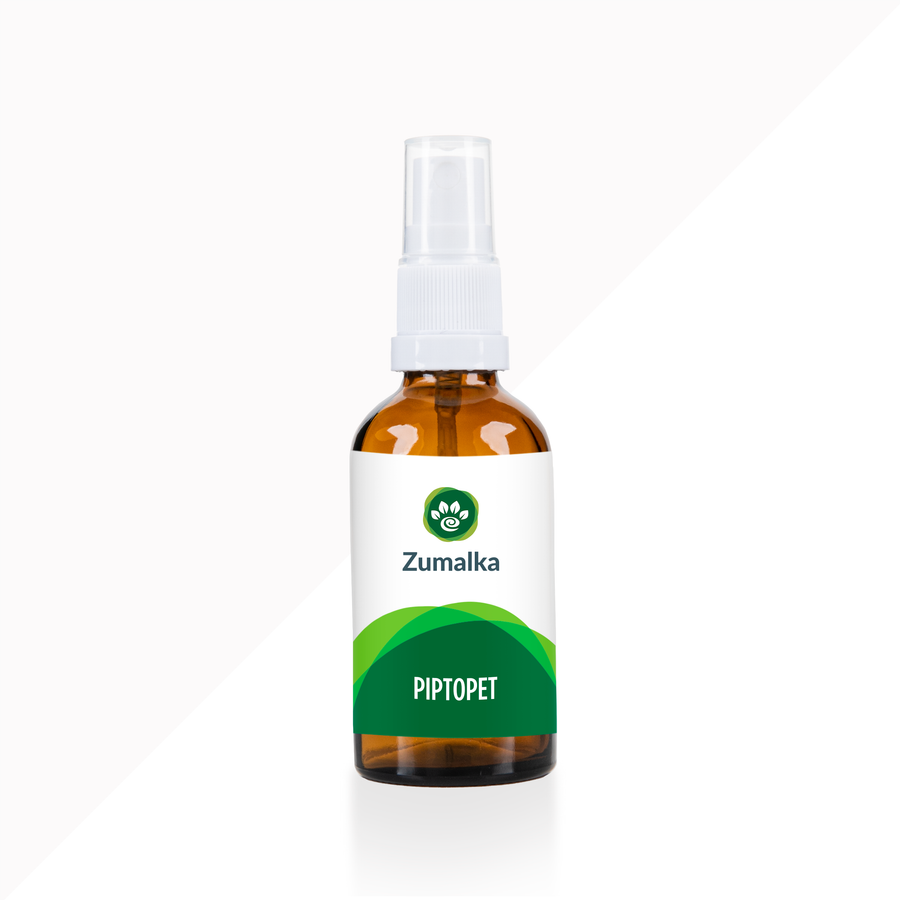
Support your pet’s long-term wellness with Zumalka's GENERAL DETOXIFICATION, a natural detox that helps eliminate built-up toxins from the liver, kidneys, and blood. This gentle formula is designed to promote internal balance, improve energy, and strengthen the body’s natural cleansing process.
Environmental toxins, medications, and processed foods can take a toll on your pet’s long-term health. A periodic detox using safe, homeopathic ingredients may help restore energy, support immune function, and promote overall wellness, which is exactly what GENERAL DETOXIFICATION is designed to do.
Formulated by pet health experts, GENERAL DETOXIFICATION is a safe, effective remedy suitable for dogs and cats of all ages. This gentle solution integrates easily into your pet’s daily routine and supports long-term health and overall vitality.
The Bottomline
Feline lipomas are typically harmless, and many can be managed effectively without surgery. Through regular monitoring, lifestyle adjustments, and vet-guided use of natural supplements, you can take an active role in supporting your cat’s health.
If you discover a lump on your cat, schedule a veterinary exam promptly to confirm whether it’s a lipoma or something more serious. Early diagnosis ensures the safest and most effective treatment plan for your cat’s health.
FAQs
Why is immediate veterinary diagnosis necessary before starting any natural treatment for a lump on my cat?
Finding a lump on a cat is a disturbing event and warrants a trip to the veterinarian for evaluation. While lipomas are typically benign and non-cancerous, they can look similar to malignant (cancerous) growths such as liposarcomas, mast cell tumors, or other soft tissue sarcomas.
A biopsy or fine needle aspirate (FNA) is often required to distinguish between a benign lipoma, an infiltrative lipoma, or a malignant tumor like a liposarcoma. Delaying treatment for a serious lump, such as a cancerous one, could allow the cancer to spread.
Which natural remedies are noted in the sources for targeting fat and potentially reducing lipomas in pets?
Several natural supplements, primarily studied in dogs, are being explored as supportive alternatives to monitoring or surgery for lipomas:
- L-Carnitine is a naturally occurring amino acid that supports fat metabolism and may help reduce lipoma size by encouraging fat cell breakdown.
- MCT oil is a fat sourced from coconut oil that rapidly converts into ketones, potentially boosting metabolism and aiding in the breakdown of stored body fat.
- Colostrum is a nutrient-rich supplement that strengthens the immune system and may aid fat loss through enhanced metabolic function.
- Curcumin (from turmeric) and rutin (a flavonoid) are known for strong anti-inflammatory effects, which may help reduce lipoma formation linked to chronic inflammation.
How does the dietary approach suggested in the sources relate to managing lipomas?
The dietary approach suggested is often described as a ketogenic diet (keto diet), focusing on feeding less simple carbohydrates and much more animal protein. Simple carbohydrates (like those found in many dog kibbles) are rapidly converted into glucose, which, if unused, is stored as fat.
By increasing animal protein and adding fats like MCT oil, the body uses ketones as a primary energy source instead of glucose, thereby boosting the metabolic rate and potentially causing lipomas to start shrinking.
Is there a topical home treatment suggested for fatty tumors?
A topical blend of DMSO (dimethyl sulfoxide) and aloe vera is sometimes used as a natural alternative for managing lipomas. DMSO penetrates the skin and concentrates in the lipoma, triggering a localized immune response that may help reduce its size. Aloe vera is applied afterward to soothe the skin, and visible results may appear within 2–4 weeks of consistent, twice-daily use.
What is the mechanism by which L-Carnitine is believed to reduce lipomas?
L-Carnitine is an amino acid that plays a vital role in fat metabolism and muscle maintenance. Research, including a study in budgies, a species also prone to lipomas, found it effective in reducing body fat. By promoting fat cell breakdown, L-Carnitine may help shrink lipomas and support overall metabolic health.
Do the sources confirm whether the dosages provided for natural remedies in dogs are safe for cats?
The sources provide specific dosages for dogs for supplements like L-Carnitine and colostrum. However, the sources do not confirm that these dog dosages are safe or appropriate for cats.
One pet owner noted that dosages for cats are often different than those for dogs, even for remedies safe for both species, raising the question about cat-specific amounts. Pet parents are generally advised to calculate dosages based on their pet's weight and consult their veterinarian.
If natural remedies are used, does that eliminate the need to monitor the lipoma?
No. Vigilant monitoring is crucial, regardless of the treatment approach. Lipomas should be inspected every few months, and owners should note any significant changes in the shape, firmness, size, or if the skin ulcerates. Any rapid growth or concerning change requires immediate re-evaluation by a veterinarian.
About the author



Leave a comment