
Vet Insights: Natural Cat Deworming Myths and What Keeps Cats Worm-Free


List of Contents
- Cat Worms: Common Types and What to Watch For
- Recognizing the Signs: When to Suspect a Worm Infestation
- Popular "Natural" Dewormers: A Critical Look at What the Sources Say
- Probiotics and Cat Gut Health: What You Need to Know
- Safe and Effective Cat Deworming: The Vet-Recommended Approach
- Everyday Worm Prevention for Cats: What Works
- Key Takeaway: Partnering with Your Vet for a Healthy, Worm-Free Cat
- FAQs
Worms are a common health concern in cats, affecting up to 45% at some point in their lives. As a pet parent, it’s natural to seek safe, gentle solutions to protect your cat’s well-being. Many natural deworming options circulate online, but few hold up to scrutiny.
This article looks at popular natural deworming ideas for cats and evaluates their safety and effectiveness through a veterinary lens. With so many DIY treatments circulating online, it’s important to separate fact from fiction. Our goal is to help you make informed, safe choices for your cat’s health and well-being.
Cat Worms: Common Types and What to Watch For

- Roundworms are the most prevalent intestinal parasites in cats and are often transmitted from mother to kitten. These spaghetti-like worms can cause serious health issues if left untreated. Recognizing and addressing them early is key to keeping your cat healthy and parasite-free.
- Tapeworms are common intestinal parasites in cats, often appearing as small, rice-like segments near the anus. They are typically transmitted when a cat ingests infected fleas or prey animals. Prompt treatment is important to eliminate the parasite and prevent reinfection.
- Hookworms are tiny intestinal parasites that latch onto the lining of a cat’s intestines and feed on blood. This blood loss can lead to anemia, weakness, and other serious health concerns, particularly in young or immunocompromised cats. Timely diagnosis and treatment are crucial to protect your cat’s health and vitality.
- Whipworms are less common intestinal parasites in cats, named for their thin, whip-like shape. They typically reside in the large intestine, where they can cause inflammation and digestive issues. Though rare, early detection is important to ensure effective treatment and prevent long-term discomfort.
Cats can become infected with intestinal parasites in several ways, including ingesting eggs from contaminated soil or feces. Parasites can also be transmitted by grooming fleas off their fur or hunting and eating infected rodents. In some cases, kittens may even contract worms through their mother’s milk.
Recognizing the Signs: When to Suspect a Worm Infestation
Visible signs of worms are a clear warning that your cat needs prompt care. You might see whole worms in the feces or vomit, or spot tapeworm segments, often resembling small grains of rice, around the anus. These symptoms indicate an active infestation and should not be ignored.
Intestinal worms in cats can lead to digestive problems like vomiting, diarrhea, and dark, tarry stools. Visible signs such as sudden weight loss, a dull coat, or a pot-bellied appearance, especially in kittens, may also indicate an active infestation. If these symptoms appear, prompt expert care is essential to protect your cat’s health.
Parasites can cause behavioral changes in cats, such as fatigue and a reduced interest in daily activities. In more advanced cases, they may lead to symptoms like pale gums, a sign of anemia, or coughing, which can occur when parasites migrate to the lungs. These warning signs require immediate veterinary attention to prevent serious health complications.
Popular "Natural" Dewormers: A Critical Look at What the Sources Say

Many pet owners are drawn to natural ingredients as a gentler approach to deworming. Commonly mentioned options include pumpkin seeds, garlic, and diatomaceous earth, but expert opinions on their safety and effectiveness vary widely. Understanding these conflicting claims is essential before choosing a natural deworming method for your cat.
Pumpkin seeds
Pumpkin seeds are a popular natural remedy for cat deworming due to their content of cucurbitacin, a compound believed to paralyze intestinal worms. This action may help the body expel the parasites more easily through the digestive tract. While widely recommended in natural pet care circles, scientific evidence supporting its effectiveness in cats remains limited.
Despite its popularity in holistic pet care, pumpkin seed use for deworming cats is not supported by veterinary-backed sources. Most experts caution that no home remedies have been proven both safe and effective for feline parasites. Relying solely on natural treatments without veterinary guidance may put your cat’s health at risk.
Apple cider vinegar (ACV)
Apple cider vinegar (ACV) is often promoted as a natural dewormer, based on claims that it creates a hostile environment for parasites in the intestines. It's sometimes paired with turmeric, which is believed to have anti-parasitic and anti-inflammatory properties. However, these claims remain largely anecdotal and lack solid scientific evidence, particularly in cats, where research is limited or nonexistent.
Other herbal ingredients
Herbal ingredients like wormwood, cloves, and black walnut hull are often promoted in holistic circles for their natural antiparasitic properties. Supporters claim these herbs can help eliminate intestinal worms without the need for conventional medication. While appealing to those seeking natural solutions, these claims are not without controversy, especially when it comes to feline safety.
Veterinarians emphasize the importance of proper diagnosis and treatment when dealing with intestinal worms in cats. Relying on these products can delay effective care, allowing parasites to deplete your cat’s vital nutrients and cause serious harm. The safest and most effective deworming solutions are those prescribed by a trusted veterinary professional.
Probiotics and Cat Gut Health: What You Need to Know
The use of probiotics for cats remains a topic of debate among veterinarians, with research supporting both sides. However, many experts agree that probiotics may help support a balanced gut flora. When used appropriately, they can be a valuable addition to your cat’s digestive health. Ask your vet which cat-specific product to use, especially after a deworming treatment.
Safe and Effective Cat Deworming: The Vet-Recommended Approach

Accurate diagnosis is essential when treating intestinal worms in cats. A veterinarian must perform a fecal test to identify the specific type of parasite, as different worms require different medications. Without proper testing, treatment may be ineffective, and your cat’s health could remain at risk.
Vet-approved dewormers are the safest and most effective way to treat intestinal worms in cats. Treatments may come in oral form or as topical spot-on solutions, each formulated to target specific types of parasites. Backed by clinical testing for safety and efficacy, these medications offer trusted, proven results for your cat’s health.
Untreated intestinal worms in cats can lead to serious health complications, including malnutrition, intestinal blockages, and even death in severe cases. That’s why veterinary care is essential for proper diagnosis and treatment. Seeing your vet early ensures your cat gets safe, effective care before the problem worsens.
If you are interested in homeopathy for general wellness, a certified pet homeopath can help. Homeopathy may complement veterinary care, but it is never a replacement for a vet-prescribed dewormer.
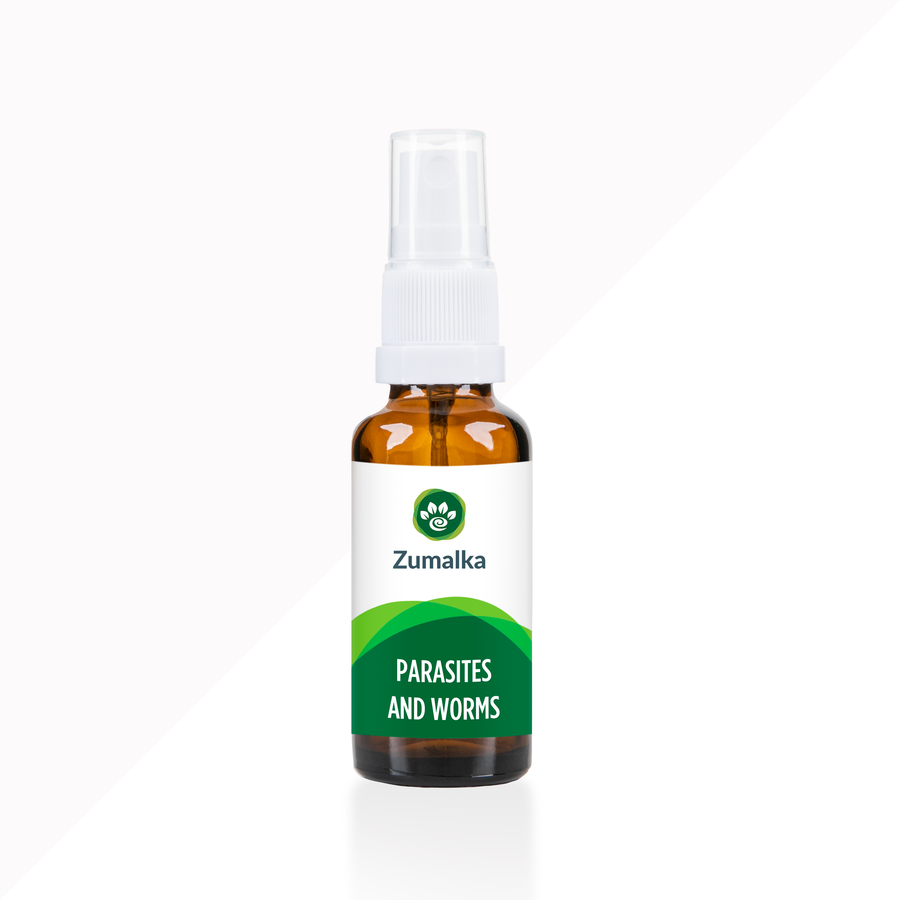
Zumalka’s PARASITES AND WORMS: digestive support alongside your vet’s care

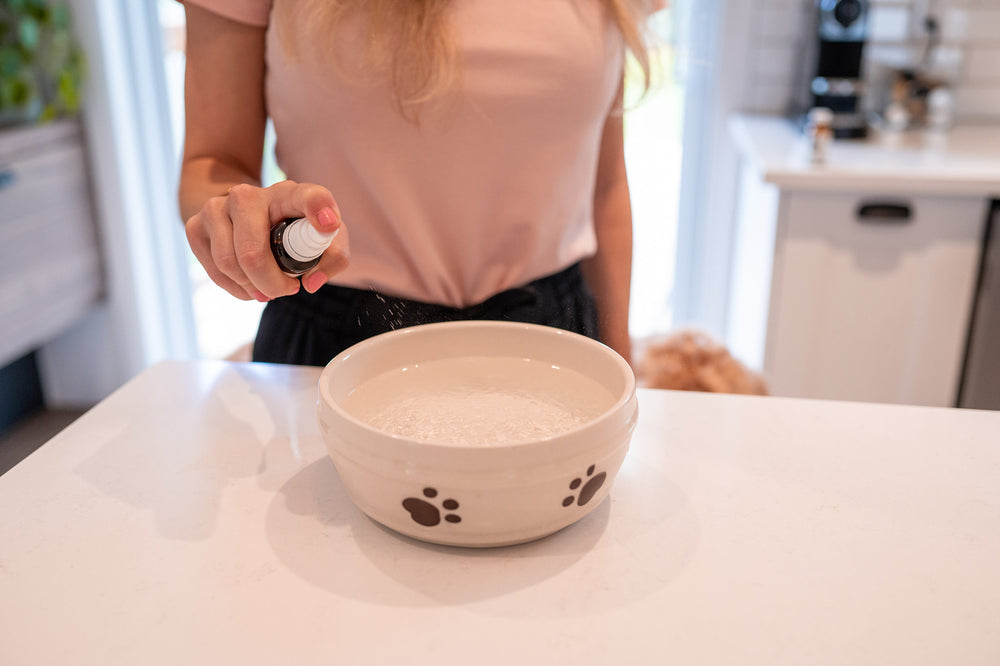
Zumalka’s PARASITES AND WORMS is a homeopathic digestive support spray for cats and dogs. It is designed to support normal digestion, help maintain a healthy digestive tract, and support normal, comfortable elimination. It is not a dewormer and not a substitute for anything your veterinarian has recommended. If your cat has worms, your vet will prescribe the right treatment.
Everyday Worm Prevention for Cats: What Works
Prevention through proactive care is the most effective strategy. Maintaining a clean environment by regularly scooping and sanitizing the litter box helps eliminate parasite eggs before they spread. Washing your cat’s bedding frequently further reduces the risk of reinfection and supports overall health.
Consistent flea control is essential, as fleas are a common source of tapeworm infections in cats. Monthly preventative treatments help stop infestations before they start. Regular veterinary checkups and fecal tests ensure early detection of parasites, keeping your cat healthy and protected year-round.
Key Takeaway: Partnering with Your Vet for a Healthy, Worm-Free Cat
Natural deworming products may seem appealing, but they lack scientific proof of safety and effectiveness. Veterinary-prescribed medications remain the only trusted and proven way to eliminate intestinal parasites. For your cat’s health and safety, professional diagnosis and treatment are always the best approach.
If you suspect your cat has worms, the most important step is to contact your veterinarian for a proper diagnosis and treatment plan. A vet can determine the exact parasite and prescribe the safest, most effective medication. For additional support, consulting a pet homeopathy expert may complement your cat’s overall wellness care.
FAQs
Can I deworm my cat at home?
You can give a dewormer at home, but your vet should choose it. The right product depends on the type of worms, your cat’s age and overall health. Natural and homeopathic products are not dewormers.
Are home remedies like garlic or pumpkin seeds safe for my cat?
Veterinary experts caution that home remedies such as garlic and apple cider vinegar are ineffective and potentially toxic to cats. Even popular options like pumpkin seeds lack scientific evidence to prove their safety and effectiveness in felines.
Can I get worms from my cat?
Certain intestinal worms in cats, such as roundworms and hookworms, pose a risk to humans as well. To reduce this risk, practice good hygiene by washing your hands carefully after handling the litter box or soil.
How often should my cat be dewormed?
Most veterinarians recommend monthly preventatives that include deworming protection. Your vet will tailor the schedule to your cat’s age, health, and lifestyle to ensure the best protection.
About the author
2 comments


Hi Casey, Thank you for your question! We will reach out to your personal email with some information for you from our Homeopath.
Is organic diatomaceous earth alright to give to my cats. Or is there a different kind????
Leave a comment