
Vet Insights: 9 Simple and Natural Ways to Help a Dog with Anxiety at Home


List of Contents
Dogs are loyal, loving companions, but they’re not immune to anxiety and stress. Understanding the signs and offering gentle, natural support can make a big difference in their overall well-being.
Helping your dog stay calm is important for their overall well-being and happiness. Alongside your vet’s advice, these simple at-home strategies can help your anxious dog feel more settled.
Dog Anxiety Explained: Causes, Symptoms, and What to Watch For

Identifying anxiety in your dog is the first step to supporting their emotional well-being. Common causes include separation, loud noises, changes in routine, and past negative experiences. Let’s discuss each one briefly below:
Fear-related anxiety
Loud noises, unfamiliar people or animals, and new environments often trigger fear-related anxiety in dogs. Specific situations like car rides, vet visits, or even visual cues such as hats can also cause distress.
Separation anxiety
Separation anxiety affects an estimated 14% of dogs, making it difficult for them to cope when left alone or apart from their family. It often appears as distress behaviors during departure routines or within the first 15 to 30 minutes of isolation. For a step-by-step plan, see our Vet-Verified owner’s guide to separation anxiety in dogs.
Age-related anxiety
Age-related anxiety is common in senior dogs and often stems from cognitive decline, similar to early-stage Alzheimer’s in humans. Symptoms may include confusion, restlessness, and changes in sleep or behavior patterns, such as staring at the wall.
Environmental and routine changes
Dogs with a history of abuse or neglect often develop anxiety rooted in past trauma. This may cause intense fear reactions and make it challenging for them to adapt to new people or environments.
The following are the most common symptoms of anxiety in dogs:
- Pacing or restlessness is a common sign of anxiety in dogs, often indicating they’re feeling unsettled or nervous. This repetitive behavior can be triggered by stress, fear, or changes in their routine.
- Panting, drooling, or trembling can be physical signs of anxiety in dogs. These stress responses often occur during fearful situations and may indicate your dog is overwhelmed or struggling to stay calm.
- A sudden loss of appetite or attempts to hide or escape are common signs of anxiety in dogs. These behaviors suggest your dog is feeling threatened, insecure, or overwhelmed by their surroundings.
- Aggression is one of the most serious symptoms of dog anxiety and can pose risks to people and other pets. It often stems from fear or insecurity and signals a need for immediate support and intervention.
- Excessive barking or whining is a clear indicator of anxiety in dogs, often triggered by fear, loneliness, or changes in routine. These vocalizations signal emotional distress and a need for reassurance or support.
- Excessive licking or chewing is a repetitive behavior often linked to anxiety in dogs. These self-soothing actions can signal emotional distress and may lead to physical issues if not properly managed.
- Destructive behavior, especially near doors or windows, is a common sign of dog anxiety. This often occurs during separation and reflects their distress or attempt to escape and reunite with their owner.
- Indoor urination or defecation in a house-trained dog is often a sign of anxiety. This behavior is typically triggered by stress, fear, or separation and reflects the dog’s emotional struggle.
9 Simple Ways to Help an Anxious Dog Feel Calmer at Home

Here are simple, gentle steps you can take at home to help your dog feel calmer and support their emotional well-being:
#1. Establish a calm routine and a safe space for your dog.
Dogs thrive on routine and feel most secure when their day is predictable. A consistent schedule for meals, walks, play, and rest helps reduce anxiety by creating structure and minimizing stress.
Creating a dedicated safe space gives your dog a secure place to retreat when feeling anxious. A cozy kennel or quiet, windowless room can offer comfort, reduce stress, and promote emotional stability.
#2. Prioritize regular exercise.
Routine physical activity is vital for your dog’s health and helps burn off excess energy and triggers endorphin release, promoting calmness and emotional balance.
Engaging your dog in enjoyable activities like walks, fetch, tug-of-war, or backyard play is a great way to support their mental and physical health. Even hiking together can strengthen your bond and reduce anxiety.
#3. Keep your dog’s mind active and engaged.
Mental stimulation plays a vital role in easing anxiety and preventing boredom in dogs. Incorporate puzzle toys, training exercises, and interactive play to keep their minds sharp and their behavior balanced.
Nose work activities, like scent-based treat hunts, provide valuable mental and physical stimulation for dogs. These exercises engage their natural sniffing instincts and can help ease anxiety by promoting focus and calmness.
#4. Soothe your dog with music and sound therapy.
Music and white noise can significantly soothe anxious dogs by creating a calm, predictable atmosphere. These sounds help reduce stress and block out anxiety triggers like fireworks, thunderstorms, or unfamiliar household noises.
A variety of music apps and playlists are specially curated to help soothe anxious dogs. Classical music is a popular and effective option, known to promote relaxation and ease stress-related behaviors.
#5. Use calming apparel to soothe dog anxiety.
Calming garments are specially designed to help dogs manage stress during triggering situations like car rides, vet visits, fireworks, and thunderstorms. These snug-fitting vests apply gentle pressure to promote a sense of security and calm.
Calming apparel works by applying gentle, consistent pressure to your dog’s body, much like a comforting hug. This soothing sensation can help ease anxiety during stressful events and promote a sense of safety.

#6. Ease anxiety with calming pheromones.
Dogs naturally communicate through pheromones, and synthetic versions can help reduce anxiety, especially in unfamiliar or stressful environments. These calming aids are available in sprays, diffusers, and collars to support emotional balance.
These products replicate the dog-appeasing pheromone naturally released by nursing mothers to comfort their puppies. They help soothe anxious dogs by creating a sense of calm and security.
#7. Calm your dog with a gentle touch and massage.
Physical touch from a trusted owner can provide powerful comfort to an anxious dog, strengthening emotional connection and security. Gentle massage helps relieve tension, promoting relaxation and easing anxiety-related discomfort.
Begin at your dog’s neck and use long, soothing strokes while keeping one hand in contact for reassurance. This calming massage technique can help reduce anxiety and strengthen your bond through gentle, mindful touch.
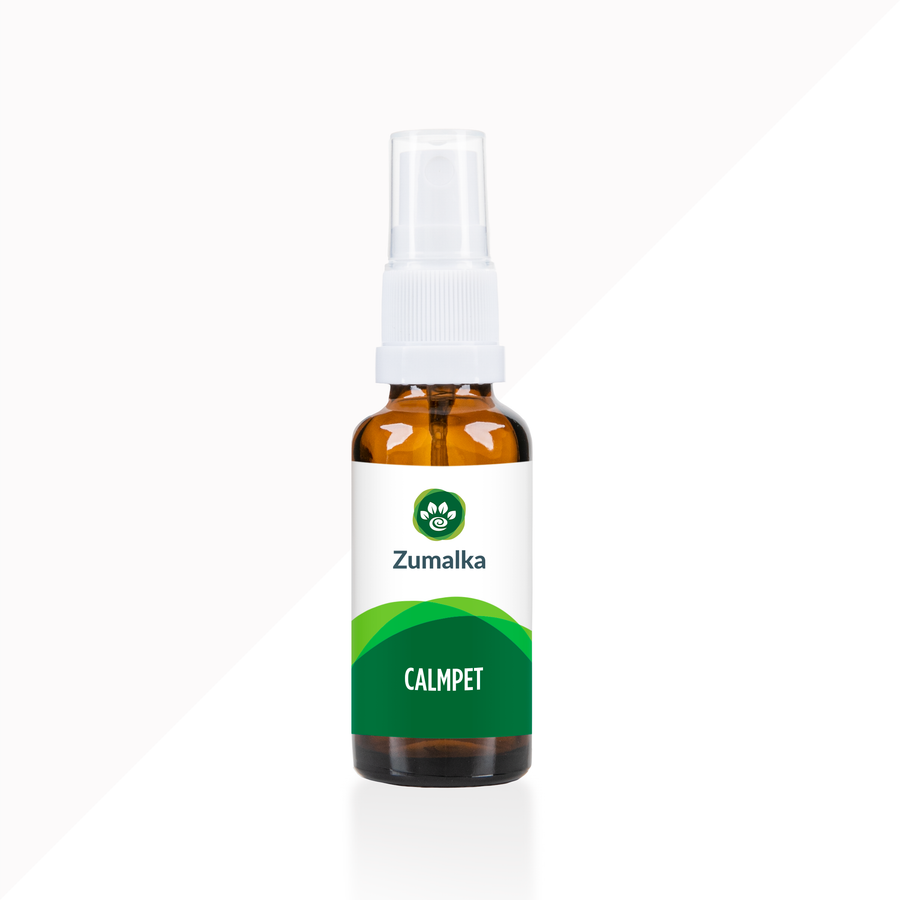
#8. Zumalka’s CALMPET Advanced kit for everyday calm.

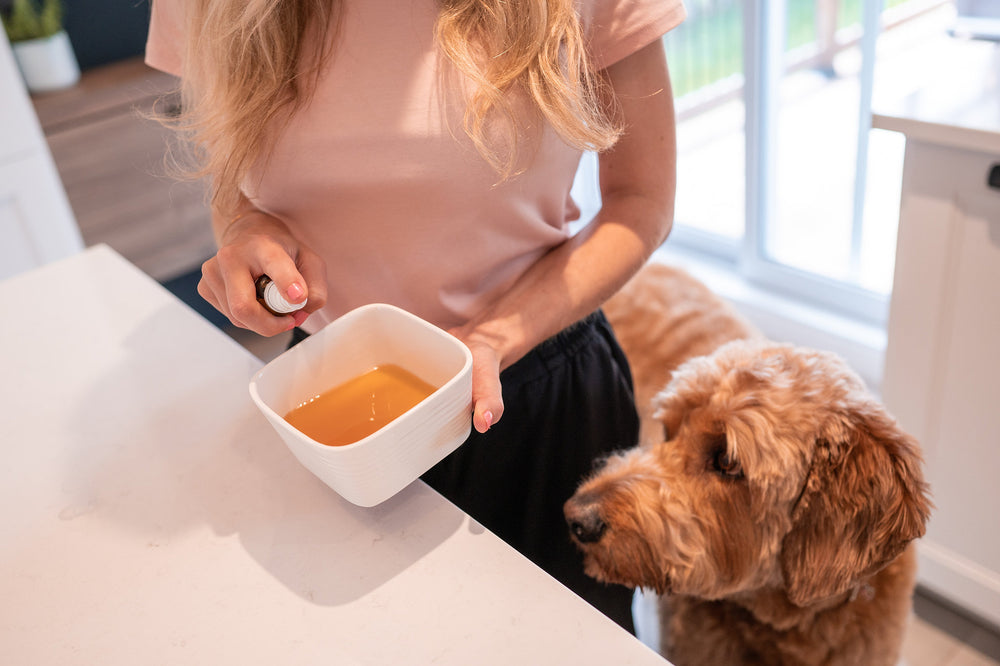
Zumalka’s CALMPET ADVANCED KIT combines three formulas designed to work together to support healthy nervous system balance and promote an overall sense of calm in cats and dogs. CALMPET is a homeopathic blend designed to support healthy nervous system balance and promote natural calm. TONICPET #4 supports healthy circulation and everyday energy, and TONICPET #6 supports healthy neurological function and calm everyday behavior. They are not a treatment for anxiety, so use them alongside the steps in this guide and your vet’s advice.
A pet homeopathy expert can also help with a general wellness routine.
#9. Help your dog overcome fears with desensitization and counterconditioning.
Desensitization and counterconditioning are proven behavioral techniques that help change your dog’s emotional response to anxiety triggers. Desensitization involves gradually and safely exposing your dog to a feared stimulus, like low-volume noise, to reduce fear over time.
Keeping your dog calm during desensitization and counterconditioning is crucial. Intense exposure, or “flooding,” can worsen anxiety. For safe, effective results, consult your veterinarian, a veterinary behaviorist or a certified trainer for guided support.
When to Involve Your Veterinarian for Dog Anxiety
The tips above can help many dogs, but every dog responds differently. If your dog’s anxiety persists, worsens, or becomes severe, consult your veterinarian to ensure proper care and explore additional treatment options.
Your veterinarian can identify the type and root cause of your dog’s anxiety while ruling out underlying medical issues. They’ll also create a personalized treatment plan to effectively manage symptoms and support long-term well-being.
A treatment plan may include behavior modification, prescription medications like antidepressants or situational sedatives, or a referral to a veterinary behaviorist. These options provide targeted support for managing more complex or severe anxiety.
A Final Word
Dog anxiety is common, and with the right approach many dogs can feel calmer. By recognizing the signs and using these simple techniques at home, you can help reduce your dog’s stress and support their overall well-being.
Keep a close eye on your dog’s behavior, and consult your veterinarian if anxiety persists or worsens. A certified pet homeopath can also help with a general wellness routine. With patience and the right care, you can promote a more peaceful, happy life for your furry friend.
FAQs
How to settle an anxious dog?
To settle an anxious dog, create a calm environment, maintain a consistent routine, and use natural techniques like exercise, soothing music, massage, or calming pheromones. Consult your veterinarian for persistent or severe anxiety.
What do vets recommend for calming dogs?
Vets often recommend behavior modification, regular exercise, natural calming supplements, pheromone products, and anxiety wraps. In more serious cases, they may suggest prescription medications or refer you to a veterinary behaviorist for specialized care.
What can I give my dog for anxiety at home?
To calm your dog at home, try natural options like pheromone diffusers, calming supplements, or remedies such as chamomile, CBD, and L-theanine. Consult your veterinarian before introducing new solutions.
How do you train a dog with anxiety?
To train a dog with anxiety, use positive reinforcement, desensitization, and counterconditioning techniques. Keep sessions short and calm, gradually exposing your dog to triggers while rewarding relaxed behavior. Consult a professional for guidance if needed.
What are the best calming treats for dogs?
The best calming treats for dogs feature natural ingredients like L-theanine, chamomile, valerian root, or CBD. Choose vet-approved, non-sedating formulas, and ask your veterinarian for personalized recommendations.
How do I train my dog to be calm?
To train your dog to be calm, use positive reinforcement, reward relaxed behavior, and practice consistent routines. Incorporate mental stimulation, gentle desensitization, and calm environments to encourage lasting, balanced behavior over time.
One of the best steps you can take for a dog with anxiety is to consult a certified dog trainer. While it’s natural to want quick results, well-meaning owners can sometimes unintentionally reinforce anxious behaviors when trying to manage things on their own.
A professional trainer brings experience, patience, and a customized plan that supports both you and your dog in the long term.
What are calming activities for dogs?
Calming activities for dogs include gentle walks, sniffing games, puzzle toys, massage, soothing music, and nose work. These help reduce anxiety, promote relaxation, and provide mental stimulation in a stress-free, supportive environment.
How to massage a dog?
To massage a dog, start with gentle strokes along the neck and back, using calm, steady pressure. Focus on muscle groups, avoid sensitive areas, and watch for signs of relaxation. Massage reduces anxiety and improves circulation.
What is the calm command for dogs?
The "calm" command trains your dog to relax on cue using positive reinforcement. Pair the word with quiet behavior, reward consistently, and practice regularly to help reduce anxiety and encourage emotional self-regulation.
How do you know if your dog is anxious?
Anxious dogs may show signs like excessive barking, trembling, pacing, or destructive behavior. Other indicators include changes in appetite, house soiling, restlessness, clinginess, or hiding, often signaling stress, fear, or emotional unease.
When dealing with a frightened dog, you should never?
When dealing with a frightened dog, never yell, punish, or force physical contact, as this can increase fear and anxiety. Avoid sudden movements or overwhelming stimuli. Use calm, gentle behavior to build trust and provide reassurance.
How to overcome dog fear?
To overcome dog fear, use positive reinforcement, gradual desensitization, and calm, consistent routines. Pair feared triggers with rewards to build trust, and consult a professional for personalized guidance if fear persists or worsens.
About the author


Leave a comment