
Vet-Recommended: 8 Home Care Tips to Help Your Cat With Hairballs


List of Contents
- Cat Hairballs Explained: An Easy Analogy to Understand What Your Cat Is Going Through
- 8 Vet-Recommended Home Care Tips to Help Your Cat Pass Hair Comfortably
- Understanding the Causes of Hairballs in Cats
- When Home Care Isn’t Enough: Red Flags Every Cat Owner Should Watch For
- A Clean Coat Equals a Clean Carpet: How At-Home Hairball Care for Cats Can Make All the Difference
- FAQs
That unmistakable hacking sound, the deep, guttural retch, usually means your cat is trying to expel a hairball, or trichobezoar. Understanding this common behavior is the first step to helping your cat.
Occasional hairballs, which are dry, compact masses of fur, are considered normal if they happen just once or twice a month. However, if they become frequent, simple home care can help keep your cat comfortable, and your vet can check for an underlying cause.
The ideal solution for hairballs is prevention: helping the fur move smoothly through your cat’s digestive system and out with their stool. Fortunately, simple home care helps fur pass naturally, so you can protect both your cat’s comfort and your carpets.
Cat Hairballs Explained: An Easy Analogy to Understand What Your Cat Is Going Through
Think of your cat’s digestive system like a household drain. Small amounts of hair flow through without issue, but too much can cause a clog. That’s why simple home care is useful for keeping their system running smoothly and preventing discomfort.
Natural options like pumpkin and healthy oils, such as olive or coconut oil, are gentle, homemade options. These simple ingredients help fur pass through your cat’s system more easily.
If you're unsure where to start, consulting a certified pet homeopath can offer personalized guidance for your cat’s needs. They can help with a general wellness routine that supports long-term digestive health.
8 Vet-Recommended Home Care Tips to Help Your Cat Pass Hair Comfortably

Dealing with hairballs is a messy but common part of cat ownership, but it doesn’t have to be! These 8 tips offer safe, simple ways to support your cat’s digestive comfort.
#1. Good hairball care starts with daily brushing.
Daily brushing, especially for long-haired felines, helps remove loose, dead hair before your cat can swallow it while grooming, significantly reducing the risk of hairball formation. It’s an easy first step in supporting your cat’s digestive health and overall comfort.
Regular brushing benefits all cats, but it's especially effective for long-haired breeds and seasonal shedders prone to excess fur buildup. It means less swallowed hair to pass.
Brushing doesn’t just reduce shedding. It’s also a calming bonding ritual that strengthens your connection with your cat. It supports both your cat’s well-being and your relationship.
#2. Damp wipes or microfiber cloths pick up loose fur after brushing.
After brushing, gently wipe your cat with a fragrance-free, hypoallergenic baby wipe or a damp cloth to remove any loose fur left behind. This small yet effective step enhances your regular grooming routine and helps reduce shedding, which in turn lowers the risk of hairball formation. Incorporating this quick habit can make a noticeable difference in your cat’s comfort and coat health.
This method minimizes the amount of fur your cat may swallow while self-grooming. You can also use a steam brush for similar results. It efficiently lifts and collects loose hair, making it another smart addition to your grooming toolkit. Together, these simple techniques can help prevent hairballs before they become a problem.
#3. Pure canned pumpkin adds fiber that helps hair move through the gut.
Pumpkin is rich in natural fiber, which helps bind and move ingested hair through your cat’s digestive system.
Be sure to use only 100% pure canned or cooked pumpkin. Pumpkin pie filling contains added sugars and spices that aren’t safe for cats. Pure pumpkin gently supports your cat’s digestive system.
Simply mix one to two teaspoons into your cat’s regular food. This small addition can help keep things moving through their digestive tract.
#4. A little olive oil helps lubricate the digestive tract.
A small weekly dose of olive oil can help lubricate your cat’s digestive system, making it easier for hair to pass through.
A teaspoon of olive oil once a week can help keep your cat’s digestive tract smoothly moving, making it easier for hair to pass. It’s a simple addition to meals.
Always let your cat lick oil from a dish or mix it into their food. Never force it into their mouth, as this can cause choking or aspiration. When used safely, olive oil is a gentle, natural option.
Alternatively, coconut oil is another safe, gentle option that can help move hair through your cat’s digestive system. Used in moderation, it supports smoother digestion.
#5. More water keeps the digestive tract hydrated.
Proper hydration keeps your cat’s intestinal tract lubricated, making it easier for ingested hair to move through the digestive system. Encouraging more water intake is a simple way to support overall digestive health.
To boost your cat’s hydration, try a pet water fountain. Many cats prefer running water, or add more canned wet food to their diet. Improved hydration supports digestion and helps keep hair from accumulating in the digestive tract.
#6. Hairball control cat food adds fiber to help hair pass.
Hairball control cat foods are specially formulated with added insoluble and natural vegetable fibers that help sweep ingested hair through the digestive tract. These diets support regular digestion and reduce hairball formation from the inside out.
Some hairball control formulas also include skin- and coat-supporting vitamins, which help reduce shedding, the root cause of most hairballs. This makes them a convenient everyday option.
#7. Cat grass or a vet-approved fiber supplement adds gentle bulk.
Adding a pinch of fiber, such as a feline-safe supplement or access to cat grass, adds the bulk needed to help your cat’s digestive system push hair through naturally. This simple dietary boost gently supports digestion.
Consult your veterinarian before adding fiber supplements to your cat’s diet, as proper dosing is key to safety. When used appropriately, fiber supports healthy digestion.
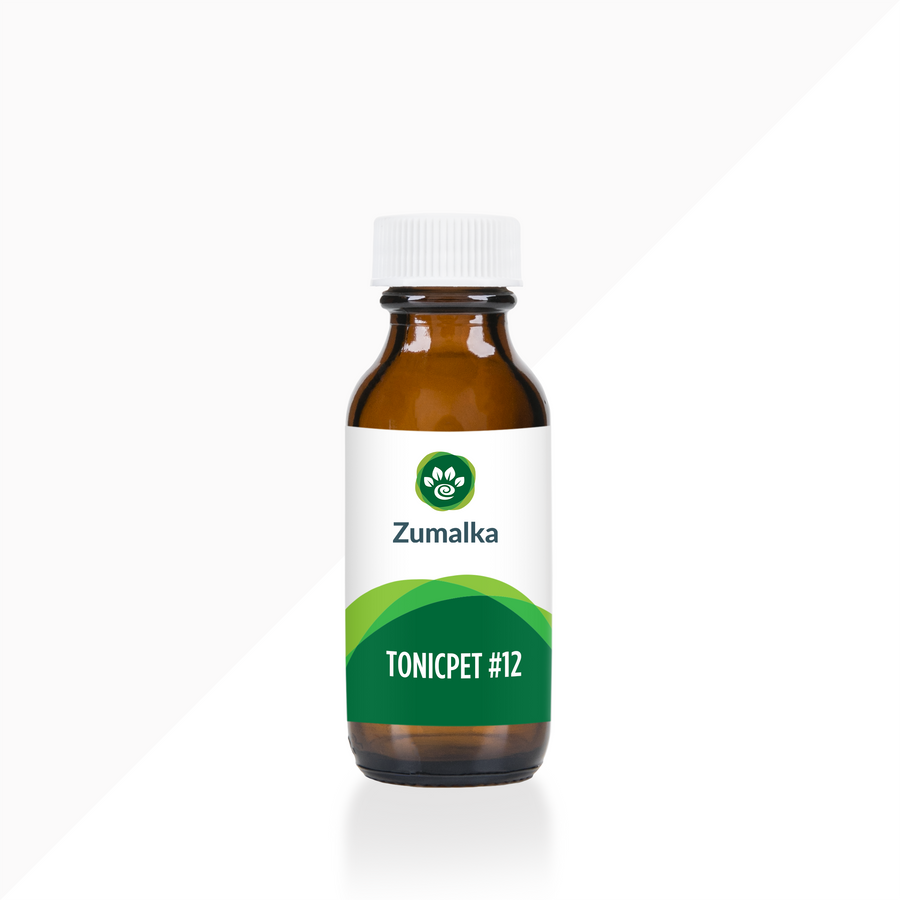
#8. Zumalka’s TONICPET #12 supports healthy skin and a shiny coat.
Hairball care starts with the coat your cat grooms every day.

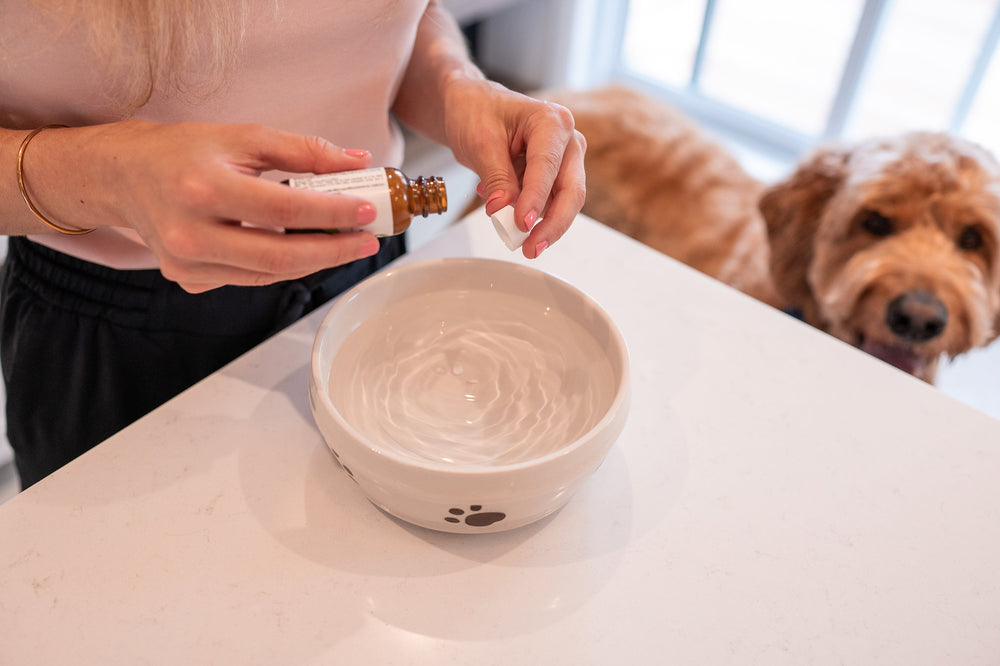
Zumalka’s TONICPET #12 is a tissue salt formula designed to promote healthy skin, fur, and coat condition in cats and dogs. It supports healthy skin and a shiny coat, as well as the body’s natural elimination. The tablets are crushed and mixed with food or water. Use it alongside regular brushing.
Understanding the Causes of Hairballs in Cats

Hairballs often result from frequent grooming, seasonal shedding, and a buildup of hair in the digestive tract. By understanding these causes, you can take proactive steps, such as brushing and adding fiber, to help your cat pass hair more easily and stay comfortable.
How hairballs begin
Cats are expert groomers, and their tongues are equipped with tiny, hook-like barbs called papillae that act like combs to capture loose fur. While this behavior is natural, it’s also the reason hairballs form, which is why grooming support matters.
The tiny hooks on a cat’s tongue face backward, so once fur is caught, it travels in only one direction, straight into the digestive tract. This is why home care is so important for maintaining comfort and digestive health.
Cat fur is made primarily of keratin, a tough protein that a cat’s digestive enzymes cannot break down. Because the hair remains intact as it moves through the gut, it needs to pass through the gut intact.
How hairballs develop
Most of the time, swallowed hair passes through your cat’s digestive system without issue and ends up in the litter box. But when too much hair accumulates, it can form a tangled mass called a trichobezoar.
Although we call them “hairballs,” they’re rarely round. Instead, they’re typically tube-shaped, molded by the narrow esophagus as they’re expelled. Recognizing this can help you identify potential issues early.
Which cats are most at risk
Long-haired breeds, such as Persians and Maine Coons, are more prone to hairballs due to the larger amount of fur they ingest. Regular brushing helps manage this risk and support better digestive health.
As cats age, they often become more meticulous groomers, which means they tend to swallow more hair over time. For senior felines, extra brushing helps reduce buildup and support smoother digestion as grooming habits intensify.
During seasonal shedding, cats lose more fur than usual, increasing the chances of ingesting hair and forming hairballs. This is when home care is especially useful in managing excess fur and supporting digestive health.
When hairballs point to a health issue
Frequent hairballs can sometimes signal an underlying health issue, such as digestive disorders, allergies, or excessive grooming caused by stress. If hairballs persist despite good home care, it may be time to consult your veterinarian for a deeper evaluation.
Overgrooming is often a response to stress, boredom, or skin irritation, and it can lead to excessive hair ingestion. Your vet can identify the underlying cause, which is key to preventing ongoing issues.
Gastrointestinal conditions like IBD, GI lymphoma, or internal parasites can disrupt normal gut motility, making it harder for swallowed hair to pass through. In such cases, home care is not enough, and veterinary care is essential for addressing the underlying issue.
Undiagnosed food or environmental allergies can lead to excessive shedding and inflammation, both of which increase the risk of hairball formation. Your vet can help identify the allergy.
When Home Care Isn’t Enough: Red Flags Every Cat Owner Should Watch For

Most hairballs are harmless and manageable with simple home care, but persistent symptoms can signal something more serious. Knowing the red flags can help you act quickly and get your cat the care they need before a minor issue becomes a major concern.
- If your cat is vomiting hairballs more than two to four times a month, it could be a sign of an underlying gastrointestinal problem rather than just excess grooming. Home care is not enough if a deeper health issue is at play, so it’s important to consult your vet.
- Some symptoms may point to a more serious problem. If your cat becomes lethargic or stops eating, contact your veterinarian immediately, as these could signal an emergency.
- Unproductive retching or a hard, swollen belly may indicate a blockage that requires immediate medical attention. These serious symptoms go beyond home care and should be evaluated by a veterinarian right away.
- Constipation or a noticeable lack of bowel movements may indicate that a hairball is causing a blockage in your cat’s digestive tract. Persistent constipation should be evaluated by a veterinarian as it may signal a more serious issue.
A Clean Coat Equals a Clean Carpet: How At-Home Hairball Care for Cats Can Make All the Difference
The best approach to managing hairballs is combining regular grooming with simple dietary adjustments that support healthy digestion. Together, these steps help reduce hair buildup and keeping your cat more comfortable.
While home care works well for routine maintenance, frequent or worsening hairballs should never be ignored. Ongoing issues may signal an underlying medical condition and require professional diagnosis to prevent serious or even life-threatening complications.
Regular veterinary guidance is key to ensuring your cat’s hairballs aren’t a sign of a more serious health issue. In addition, a certified pet homeopath can help with a general wellness routine that supports your cat’s digestion.
FAQs
What helps cats pass hairballs?
Nothing safely dissolves a hairball. Fiber-rich foods, a little olive oil and pumpkin help move hair through the digestive tract, and regular brushing means less hair to swallow.
How can you help a cat bring up a hairball?
To help your cat pass or expel a hairball, try simple home care such as adding pumpkin, a small amount of olive oil, or increasing hydration to support healthy digestion and natural hairball movement through the digestive tract.
What food helps cats pass hairballs?
Fiber-rich foods like canned pumpkin, cat grass, and specially formulated hairball control diets help move ingested fur through the digestive system.
Why is my cat having so many hairballs?
Frequent hairballs may result from excessive grooming, seasonal shedding, or digestive issues. A consistent grooming routine combined with fiber can help reduce hair buildup and support smoother digestion in cats. If hairballs are frequent, ask your vet to check for an underlying cause.
How do I tell if my cat has a hairball blockage?
Signs of a hairball blockage include repeated unproductive retching, constipation, lethargy, or a swollen abdomen. If you see these signs, seek immediate veterinary attention to prevent serious complications.
Will coconut oil help a cat pass a hairball?
Yes, coconut oil can help lubricate your cat’s digestive tract, making it easier to pass ingested fur. It’s often used as a gentle option when given in moderation.
What is the best oil to give a cat for hairballs?
Olive oil and coconut oil are commonly recommended to help cats pass hairballs. When used properly, these oils gently support digestion.
Is it okay if my cat licks coconut oil?
Yes, it’s generally safe for cats to lick small amounts of coconut oil. When given in moderation, it can help lubricate the digestive tract naturally.
About the author


Leave a comment