

Vet-Reviewed: Natural Cat Abscess Treatment – Home Care & Holistic Remedies


List of Contents
- How Natural Cat Abscess Antibiotics Work: A Simple Analogy That Makes It Clear
- Cat Abscess Symptoms: How to Spot the Warning Signs Early
- Step-by-Step Natural Treatment for Cat Abscesses at Home
- How TONICPET #12 Supports Natural Healing for Cats with Abscesses
- Holistic Remedies and Natural Support for Cat Abscess Recovery
- When Natural Remedies Aren’t Enough: Red Flags in Cat Abscess Care
- Cat Abscess Aftercare and Prevention Tips for Long-Term Healing
- Conclusion: Supporting Cat Abscess Recovery with Natural, Preventive Care
- FAQs
You notice a sudden, tender lump on your cat after a night outdoors or a minor scuffle, an alarming sign that could point to a hidden abscess. These common but often overlooked wounds can quickly worsen without proper care, making early detection and treatment essential.
An abscess is a painful, localized infection where pus builds up under the skin, usually caused by a bite or puncture wound that traps bacteria beneath the surface. As the wound seals, the infection can grow unnoticed, leading to swelling, tenderness, and serious complications if not treated promptly.
While severe or deep abscesses require veterinary care, many mild cases can heal at home with proper drainage, cleaning, and natural support. When treated promptly, herbal remedies and holistic care can help combat infections, alleviate inflammation, and facilitate a safe recovery without the need for antibiotics.
For safe and effective treatment, it’s important to consult a certified pet homeopath who can guide you through proper care. With expert support, you can confidently use natural antibiotics for cats abscess management to help reduce infection and support healing the holistic way.
How Natural Cat Abscess Antibiotics Work: A Simple Analogy That Makes It Clear
Think of a cat abscess like a pressure cooker with a blocked valve. Pus builds beneath the skin as the infection creates heat and pressure. If not relieved in time, that pressure forces the abscess to burst, often painfully and with risk of further infection.
Using hot compresses, gentle flushing, and natural antibiotics for cats helps release built-up pressure by safely draining the infection, much like opening a clogged valve. This process allows your cat’s body to cool down, reduce inflammation, and begin healing naturally.
Cat Abscess Symptoms: How to Spot the Warning Signs Early

A common sign of a cat abscess is a localized, swollen area beneath the skin that feels warm or hot to the touch. If the abscess bursts, it may leave behind an open, oozing wound with a strong, unpleasant odor, clear indicators that the infection needs prompt care.
Behavioral changes are often early signs of a cat abscess. If your cat seems unusually tired, refuses food, or starts limping, these subtle shifts may indicate pain or an underlying infection that needs attention.
Taking your cat’s temperature can help detect an abscess-related infection early. Use a digital rectal thermometer, and always handle your cat gently and calmly. A mild fever under 102.5°F is part of a healthy immune response, but a temperature of 103.5°F or higher may signal a more serious infection that requires prompt care.
Step-by-Step Natural Treatment for Cat Abscesses at Home
Treating a cat's abscess at home is possible with the right natural remedies and careful attention. This step-by-step guide will show you how to safely clean, support healing, and manage infection using gentle, holistic methods.
- Start by gently trimming the fur around the abscess using pet-safe clippers or blunt-tipped scissors to fully expose the wound. Removing surrounding hair helps keep the area clean, reduces the risk of further infection, and allows for more effective treatment.
- Apply a warm, damp washcloth to the abscess for 10 minutes, twice daily, to promote safe and gentle drainage. The heat works by softening the tissue and drawing infection to the surface, making it easier for the abscess to drain and begin healing naturally.
- If the abscess hasn’t ruptured on its own, establishing drainage is essential to prevent the infection from worsening. In cases where lancing is needed, it’s safest to have the procedure performed by a veterinarian, especially if you’re unsure or uncomfortable doing it yourself.
- Gently flush the abscess site twice a day for 5 to 7 days using a natural antiseptic solution such as diluted iodine, saline, or herbal rinses. Regular cleansing helps remove debris, reduce bacterial buildup, and support faster, infection-free healing through holistic care.
- When treating a cat's abscess, it's best to avoid hydrogen peroxide or alcohol, as these harsh substances can irritate healthy tissue and slow the healing process. Choose gentle, vet-approved cleansing solutions that promote natural healing without causing further discomfort.
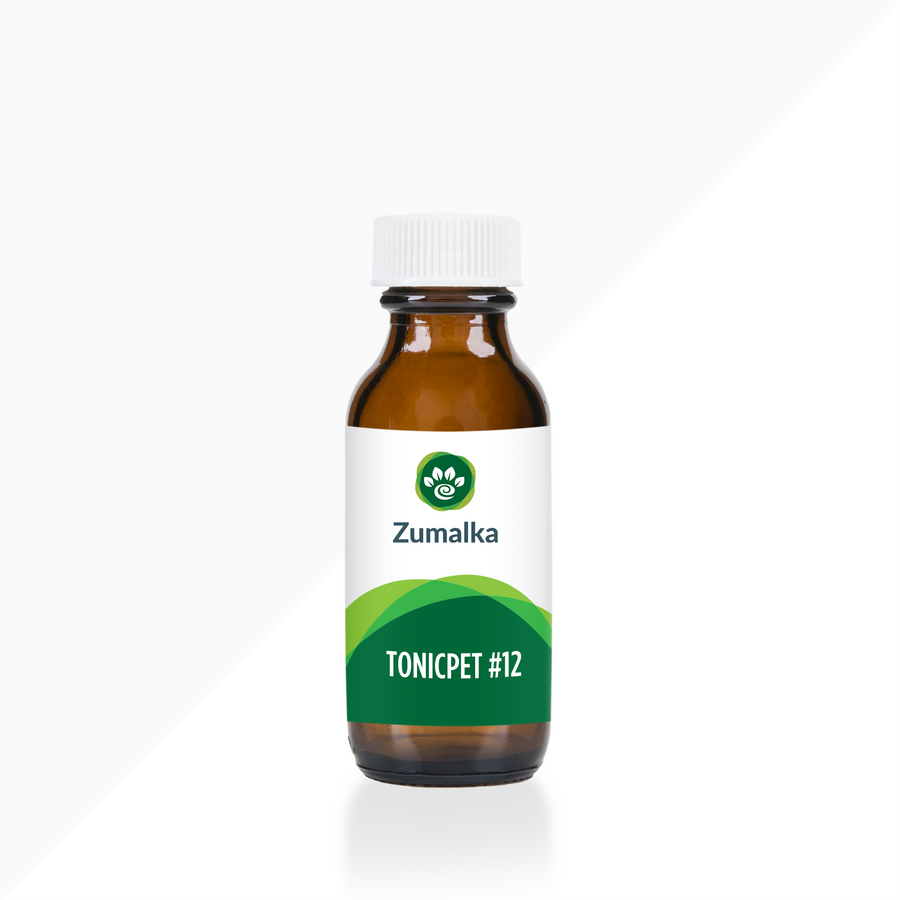
How TONICPET #12 Supports Natural Healing for Cats with Abscesses

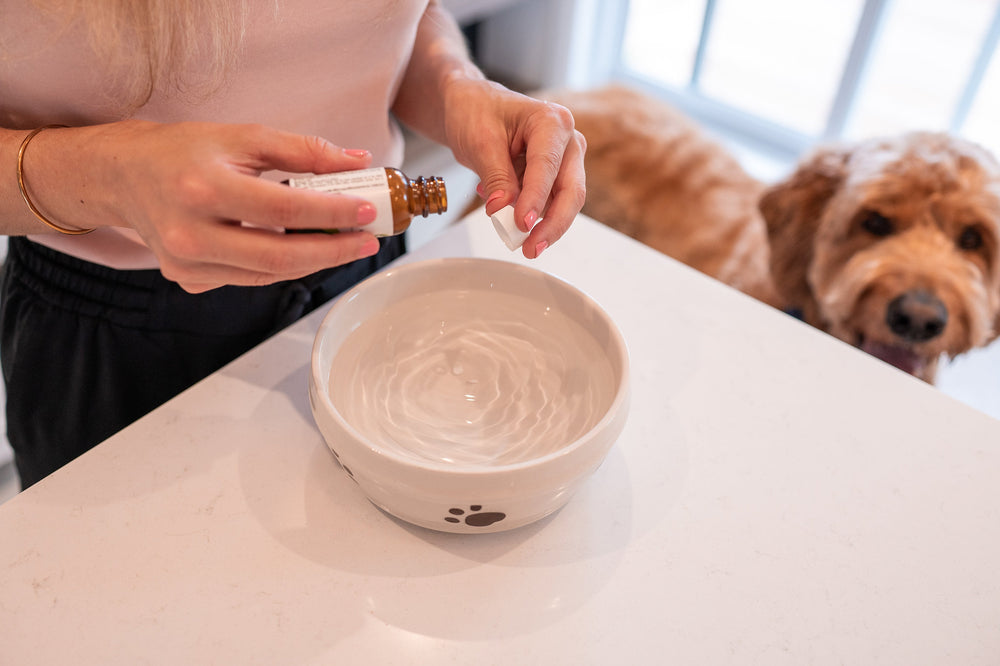
TONICPET #12 is a cell salt-based supplement formulated to help support a balanced and responsive immune system in pets. Its gentle, bioavailable form allows for easy absorption, making it suitable for daily use alongside other natural remedies or conventional treatments.
By working at the cellular level, TONICPET #12 may help strengthen the body’s natural defenses and improve resilience to everyday stressors. It's often considered a foundational support for pets facing chronic or recurring health concerns.
Safe for dogs, cats, and other companion animals, TONICPET #12 offers a non-toxic, holistic approach to wellness. Whether used proactively or as part of a broader care plan, it can play a helpful role in maintaining long-term immune health.
Holistic Remedies and Natural Support for Cat Abscess Recovery
In addition to basic wound care, holistic remedies can offer valuable support for a cat’s recovery from an abscess. Natural options like immune-boosting herbs, homeopathic formulas, and stress-reducing therapies help promote healing from the inside out, without relying solely on conventional medication.
- For natural antibacterial support during cat abscess recovery, olive leaf extract is a trusted option, typically dosed at 100 mg per 10 pounds of body weight.
- Homeopathic remedies can gently support the healing of cat abscesses by encouraging the body’s natural processes. Silicea (6C or 30C) is often used to help draw out pus and clear debris, while Ledum 6C is particularly helpful in treating the early stages of abscesses caused by puncture wounds.
- Hepar Sulphuris Calcareum (30C) is a commonly used homeopathic remedy for abscesses that are painful, inflamed, and emit a foul odor. It’s especially helpful during the later stages of infection, when the body needs support in softening the swelling and encouraging safe drainage.
- CBD oil offers a natural way to ease pain and inflammation in cats recovering from an abscess. A standard dose is approximately 3 mg per 10 pounds of body weight, but always use a pet-specific formula and consult your veterinarian to ensure safe and effective use.
- For natural wound care, medical-grade Manuka honey is a powerful topical option that can help promote healing and protect against infection. Its antibacterial and anti-inflammatory properties make it especially useful for soothing abscess sites and supporting tissue repair.
As mentioned earlier, it's essential to consult a veterinarian or certified pet homeopath before beginning any home treatment for a cat abscess. Expert guidance ensures your cat receives safe, effective care tailored to their specific condition and overall health.
When Natural Remedies Aren’t Enough: Red Flags in Cat Abscess Care

If your cat’s temperature rises above 103.8°F, it may signal a serious infection that requires immediate veterinary care. At this stage, natural remedies are no longer sufficient. Professional intervention and antibiotics are essential to prevent complications and support recovery.
If the swelling extends beyond a small lump and affects the entire limb, it may be a sign of cellulitis, a deeper, spreading infection beneath the skin. This condition requires prompt veterinary attention, as it can progress quickly and may not respond to home care alone.
Abscesses that form deep within muscle tissue or around the roots of a tooth are more complex and often hidden from view. These internal infections typically require surgical treatment from a veterinarian, as they cannot heal properly through topical or home care alone.
Cat bite wounds aren’t just a risk for abscesses. They can also transmit serious viral infections like FeLV (Feline Leukemia Virus), FIV (Feline Immunodeficiency Virus), and rabies. If your cat has been bitten, especially by an unknown animal, it’s important to consult your veterinarian about testing and possible preventative care.
Cat Abscess Aftercare and Prevention Tips for Long-Term Healing
During recovery from an abscess, it’s important to keep your cat indoors in a clean, easily sanitized space, such as a laundry room or bathroom. This helps prevent exposure to dirt, insects, or other contaminants that could irritate the wound or introduce new infections.
To protect the healing abscess, an Elizabethan collar (E-collar) can help prevent your cat from licking or chewing at the wound. Limiting self-trauma is essential for avoiding reinfection, allowing the tissue to heal properly without added irritation or delay.
The most effective way to prevent future abscesses is by neutering your cat, which significantly reduces territorial fighting and bite-related injuries. Keeping cats indoors also lowers their risk of wounds, infections, and exposure to other animals that can spread disease.
Conclusion: Supporting Cat Abscess Recovery with Natural, Preventive Care

Natural home care can be an effective way to support your cat’s recovery from a mild abscess, especially when paired with careful monitoring and appropriate remedies. However, recognizing when to seek veterinary attention is essential for preventing complications and ensuring safe, complete healing.
Most cat abscesses will begin to heal within a week if they’re kept clean, draining properly, and free from further irritation. Consistent monitoring during this time is essential to catch any signs of worsening infection and to ensure your cat stays on track for a smooth recovery.
FAQs
How to treat cat abscess at home naturally?
To treat a cat's abscess naturally at home, gently clean the area, apply warm compresses, support drainage, and use vet-approved natural remedies, while monitoring closely and consulting a veterinarian if swelling, fever, or pain worsen.
Can a cat abscess heal without antibiotics?
Yes, mild cat abscesses can heal without antibiotics if properly drained, cleaned, and monitored. Natural remedies may support recovery, but severe or deep infections require prompt veterinary care to prevent complications.
What is a home remedy antibiotic for cats?
Natural home remedy antibiotics for cats may include olive leaf extract, colloidal silver, or herbal blends. Always use pet-safe products and consult a veterinarian to ensure proper dosage and safety.
Can cats fight off infections without antibiotics?
Cats can sometimes fight off mild infections without antibiotics, especially with strong immune support and proper wound care. However, serious or deep infections often require veterinary treatment to prevent complications and ensure full recovery.
What is the fastest way to heal an abscess in cats?
The fastest way to heal a cat's abscess is prompt drainage, gentle cleaning, and supportive care with warm compresses and vet-approved remedies. Early treatment helps prevent complications and speeds up the natural healing process.
How do you flush an abscess on a cat?
To flush a cat’s abscess, gently clean the area twice daily using sterile saline solution at room temperature. Apply it with a clean syringe or a soft cloth, and avoid harsh substances like hydrogen peroxide, which can damage healing tissue.
About the author


Leave a comment