
Vet-Verified: 8 Causes of Dog Wheezing and Natural Ways to Support Easy Breathing



List of Contents
- What Exactly is Wheezing in Dogs?
- What are the 8 Top Causes of Dog Wheezing?
- When Should You Be Concerned About Dog Wheezing?
- How is Wheezing in Dogs Diagnosed?
- How Can You Support Your Dog’s Breathing at Home?
- Natural Products That Support Easy Breathing in Dogs
- How Do Vets Treat Wheezing in Canines?
- Can You Lower Your Dog’s Risk of Wheezing?
- FAQs
Is your dog wheezing and you're not sure why? You're in the right place. Don’t ignore your dog’s wheezing, as it could worsen over time. This article explores the top 8 causes of wheezing in dogs, when to call your vet, and practical home care that supports easy, comfortable breathing.
What Exactly is Wheezing in Dogs?
Wheezing is a continuous, high-pitched whistling sound heard in the lungs, usually during exhalation (breathing out). It often indicates an obstruction or narrowing of the airways. To be considered wheezing, the sound must be continuous and last longer than a quarter of a second.
Before we continue, it's important to highlight that wheezing and sneezing in dogs are two distinct conditions.
Although brief wheezing in dogs is often harmless, such as after exercise, prolonged or recurring episodes may indicate a respiratory issue that requires prompt veterinary attention.
For mild or occasional wheezing, your vet may suggest home care, and gentle natural options can support airway comfort alongside it.
What are the 8 Top Causes of Dog Wheezing?

So, what causes dogs to make this sound? As mentioned, canine wheezing often signals a change in airflow through the respiratory system, typically caused by a narrowing or obstruction within the airways. Below are the most common causes:
#1. Infectious disease
One of the most common effects of infectious diseases, whether caused by parasites, bacteria, or viruses, is airway inflammation. This inflammation can lead to mucus buildup, often triggering wheezing in dogs. Common culprits include heartworms, kennel cough, and canine influenza.
#2. Allergies
Canine wheezing can be triggered by exposure to allergens such as strong perfumes, scented candles, cigarette smoke, vape emissions, dust mites, mold, and pollen. This reaction is often a sign of anaphylaxis, an immune system overreaction to certain substances to protect the body.
Other signs of anaphylaxis may include sneezing, facial swelling, itching, shortness of breath, and hives.
#3. Collapsing trachea
When a dog’s trachea becomes significantly weakened, it may eventually be at risk of collapsing, often causing a distinctive “honking goose” cough.
This condition is particularly prevalent in small breeds such as Pomeranians, Chihuahuas, Toy Poodles, and Pugs due to their fragile windpipe cartilage. Tracheal collapse can also occur in older or senior dogs.
#4. Heart problem
Heart disease and related conditions can cause your dog to breathe more heavily due to fluid buildup in and around the heart. If left untreated, this can lead to wheezing, making it essential not to overlook this condition.
#5. Foreign object
Canine wheezing can also result from foreign objects lodged in the airway. The severity of the wheezing often depends on the size of the obstruction and is typically accompanied by symptoms such as excessive drooling, restlessness, and coughing.
#6. Tumors or cancer
Primary tumors or cancers in dogs, particularly those affecting the mouth, throat, and lymph nodes, can restrict breathing and potentially block the airways, leading to wheezing. This type of wheezing often worsens over time if the underlying tumor or cancer is left untreated.
#7. Chronic bronchitis
When bronchitis in dogs becomes chronic, the airways remain inflamed and more susceptible to scarring. Over time, this scarring can narrow the airways, making breathing more difficult and often leading to persistent wheezing and coughing.
#8. Chemical irritants
Common household chemicals used daily can trigger wheezing in dogs. These include room deodorizers, hairspray, cosmetics, spray paint, and shaving products, as they often contain ingredients that can irritate your pet’s airways. For clarity, any container designed to spray its contents is called an “aerosol.”
When Should You Be Concerned About Dog Wheezing?
As mentioned earlier, wheezing in dogs isn’t always a medical emergency. It may simply be a result of exercise or other high-energy activities. However, it’s essential to contact your veterinarian if you notice any of the following symptoms:
- Repeated lethargy or weakness
- A sudden decrease in appetite or unusual pickiness
- Purple or blue gums or tongue
- Wheezing accompanied by coughing, retching, or gagging
- Wheezing that lasts for several minutes
- Wheezing that persists despite rest
Seek immediate emergency care if your dog’s gums or tongue change color or if you suspect a foreign object is blocking their airway. Sudden or severe asthma attacks and serious allergic reactions also warrant urgent veterinary attention.
How is Wheezing in Dogs Diagnosed?

The first step a veterinarian takes to diagnose the cause of dog wheezing is to perform a thorough physical examination. This includes checking for fever and assessing the patient’s heart and breathing sounds.
Veterinarians often perform chest and upper airway X-rays to assess the respiratory tract. In more severe cases, a CT scan may be required for a more detailed evaluation of the lungs and trachea.
A blood test may also help identify the underlying cause of the wheezing and determine the type of infection present.
How Can You Support Your Dog’s Breathing at Home?
Alongside your vet’s advice, simple home habits can support your dog’s respiratory health and airway comfort. Here are some of the most useful ones:
Keep your dog’s weight ideal.
Maintaining a healthy weight supports easier breathing. Excess weight strains your pet’s body, particularly the lungs and airways. Obesity also increases the risk of health issues such as heart disease, respiratory problems, hypertension, and diabetes, all of which can contribute to wheezing.
A clean environment and good ventilation are essential.
Excess dust and mold can trigger wheezing in dogs by irritating their lungs. Good ventilation helps clear allergens and airborne particles from your home while providing your pet with fresh air. An air purifier can also help filter contaminants like dust mites and mildew.
Keep your dog away from strong odors and chemical irritants.
Did you know a dog’s sense of smell can be up to 10 million times more sensitive than a human’s? This is why exposing your pet to strong odors can irritate their lungs. Additionally, chemical irritants can disrupt normal airway function, leading to wheezing.
Proper diet and hydration are important.
Wheezing in dogs can sometimes result from poor nutrition and dehydration, which may compromise your pet’s lungs and airway health. To support healthy lungs and airways, it’s important to provide your dog with constant access to fresh water and to prioritize regular, well-balanced meals that meet their nutritional needs.
If your dog has allergic reactions to food, avoid common triggers such as grains, chicken, beef, and artificial additives. Your vet may suggest novel proteins like venison and rabbit for dogs with food sensitivities. Foods rich in Omega-3 and Omega-6 fatty acids also support a healthy inflammatory response and healthy airways.
Regular grooming is a must.
It may come as a surprise, but inadequate grooming can put your dog at risk of exposure to excessive allergens, dander, and dust. Untended fur can trap these respiratory irritants if not regularly washed, brushed, or trimmed. Chemicals and other harmful pathogens can accumulate on your pet’s coat without proper grooming.
Steam can help your dog breathe more comfortably.
One of the simplest ways to add soothing moisture to your dog’s airways is steam from your shower. Simply bring your pet into the bathroom, turn on the hot shower without getting directly under the water, and let the steam fill the room for at least five minutes. That’s all it takes.
Another option is to use a humidifier to increase moisture in the air. Keep in mind that for medium or large-sized dogs, the humidifier may need to run for an extended period to be effective.
Natural Products That Support Easy Breathing in Dogs
As previously highlighted, wheezing in dogs may indicate underlying health issues, so your vet needs to identify the cause first. Possible causes include allergies, vaccine reactions, bronchitis, heart disease, asthma, flu, kennel cough, and more.
Alongside your vet’s care, the following natural products can support your dog’s respiratory health and airway comfort. A professional pet homeopath can help you choose what suits your dog:

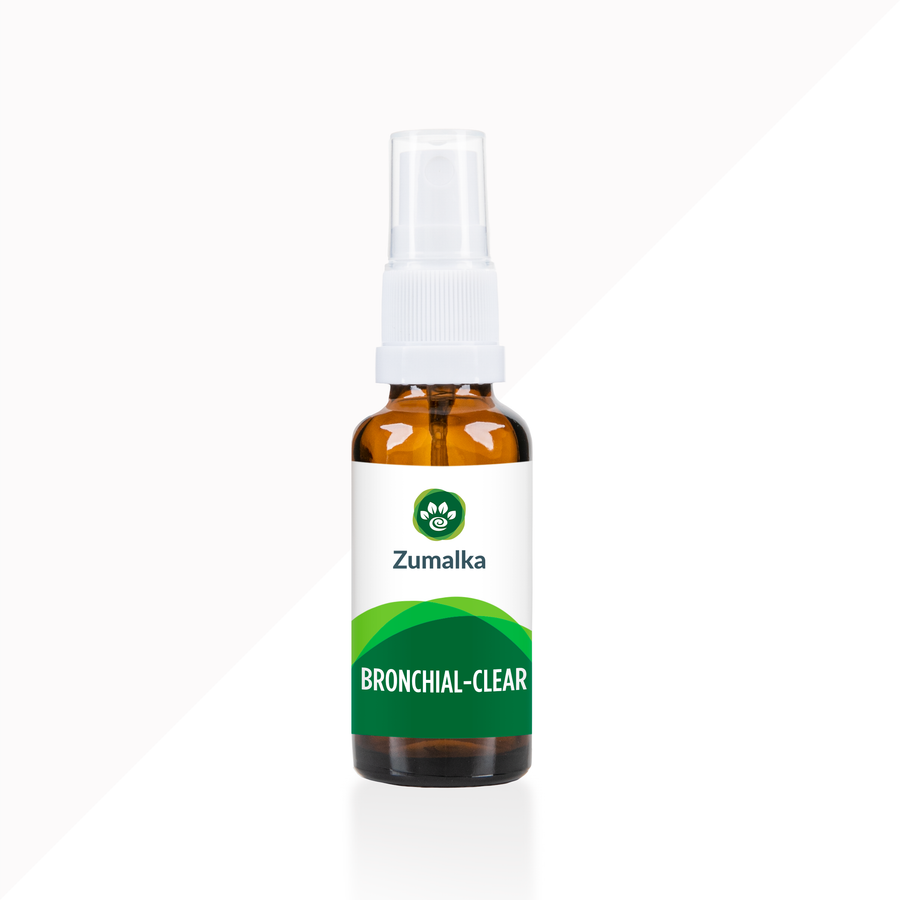
- Bronchial Clear Optimal: The Bronchial Clear Optimal kit brings together seven products, BRONCHIAL CLEAR, TONICPET #4, #5, #7, #8, #9 and SILVERPET, to support easy breathing, comfortable airways and normal nasal and bronchial function as part of an everyday wellness routine. SILVERPET, a colloidal silver spray, supports a healthy immune response.
- Breathe-EZ (Clear): BREATHE-EZ (CLEAR) is a homeopathic formula designed to support respiratory health and comfort in cats and dogs.
How Do Vets Treat Wheezing in Canines?

Common conventional treatment options prescribed by veterinarians for dog wheezing include antibiotics, antihistamines, steroids, and anti-inflammatory medications. Each of these treatments targets specific underlying causes. For example, antihistamines are used to manage allergy-related wheezing, while antibiotics address bacterial infections.
However, it is common for veterinarians to recommend surgical procedures where wheezing is caused by more serious conditions, such as a collapsing or collapsed trachea, canine cancers, or foreign objects lodged in the airway. Surgery may be necessary to restore proper breathing and ensure your dog’s well-being.
Can You Lower Your Dog’s Risk of Wheezing?
Not every cause can be prevented, but these habits can lower your dog’s risk of airway irritation and support healthy breathing:
- Keep your dog’s environment clean and free from respiratory irritants such as chemicals, strong odors, and smoke.
- Maintain your dog’s healthy weight to reduce the risk of obesity-related issues like heart disease, diabetes, and high blood pressure.
- Ensure your dog has appropriately sized toys to prevent choking hazards or blockages in the throat or airway.
- Keep up the parasite prevention plan your vet recommends to protect your dog from parasites like heartworms and hookworms.
- Ensure your pet is vaccinated against common infectious respiratory illnesses, including influenza, Bordetella, and distemper.
- Support your dog's immune system with a balanced diet, and ask your vet whether probiotics suit your dog.
FAQs
What can I give my dog for wheezing?
Wheezing that lasts or keeps coming back needs a vet exam. Your vet may prescribe antihistamines for allergies, antibiotics for infections, or anti-inflammatories. At home, steam and a humidifier can add soothing moisture to the air, and Zumalka’s Bronchial Clear Optimal kit, along with proper nutrition and hydration, can support easy breathing and comfortable airways.
What can I give my dog to help her breathe better?
You can help your dog breathe better with steam therapy, a humidifier, or vet-prescribed treatments like bronchodilators, antihistamines, or anti-inflammatories. Providing proper hydration, a clean environment, and nutrition rich in Omega-3s can also support respiratory health.
How can I support my dog’s airways when there is mucus?
Mucus in the lungs needs a vet exam to find the cause. Alongside that care, steam, a humidifier and good hydration can keep the airways moist and comfortable. Honey can soothe the throat, and homeopathic products like the Bronchial Clear Optimal kit and foods rich in Omega-3s can support comfortable airways and normal bronchial function.
How can I keep my dog comfortable during a respiratory infection?
A respiratory infection needs your vet’s diagnosis and treatment. While your dog follows that treatment, steam, a humidifier, good hydration and nutritious meals can keep them comfortable, and a small amount of honey can soothe the throat. Ask your vet before adding anything new.
What is the best respiratory treatment for dogs?
The best respiratory treatment for dogs depends on the cause and may include vet-prescribed bronchodilators, antihistamines, antibiotics, or corticosteroids. Supportive care like steam therapy, humidifiers, hydration, and proper nutrition can also support respiratory health.
What home remedy can I use for my dog's breath?
For fresher dog breath, try brushing their teeth regularly with dog-safe toothpaste, adding curly parsley to their food in small amounts, offering dental chews, and ensuring proper hydration. Coconut oil or apple cider vinegar (diluted) can also help keep breath fresher.
The recommended amounts of fresh chopped curly parsley are: Up to 1/2 teaspoon for small breeds, up to 1 teaspoon for medium breeds, and up to 1 tablespoon for large breeds.
Too much coconut oil can cause digestive issues, so it’s best to offer it in moderation. If your dog has gastric problems, consult a veterinarian before adding apple cider vinegar to their water, as it could further irritate their stomach.
What is the best bad breath treatment for dogs?
The best bad breath treatment for dogs includes regular brushing with dog-safe toothpaste, dental chews, professional cleanings, and a healthy diet. Adding water additives or natural remedies like curly parsley (in small amounts) and coconut oil (in small amounts) can also help maintain fresh breath.
The recommended amounts of fresh chopped curly parsley are: Up to 1/2 teaspoon for small breeds, up to 1 teaspoon for medium breeds, and up to 1 tablespoon for large breeds.
How can I stop my dog's breath from smelling?
To prevent bad breath in your dog, brush their teeth regularly, offer dental chews, ensure adequate hydration, and maintain a healthy diet. Natural remedies like coconut oil (in small amounts), curly parsley (in small amounts), and diluted apple cider vinegar can promote a fresher breath.
The recommended amounts of fresh chopped curly parsley are: Up to 1/2 teaspoon for small breeds, up to 1 teaspoon for medium breeds, and up to 1 tablespoon for large breeds.
What foods support healthy airways in dogs?
Omega-3-rich options like salmon and flaxseed, as well as foods such as turmeric, ginger, and leafy greens, support respiratory health and a healthy inflammatory response.
Is Vicks safe for dogs to inhale?
Vicks is not safe for dogs to inhale as it contains camphor, which is toxic to dogs and can cause respiratory distress, skin irritation, or poisoning if ingested or inhaled. Always consult your veterinarian or a qualified pet homeopathy expert for safe alternatives.
How can I soothe my dog’s cough at home?
A cough that lasts needs a vet exam. Alongside your vet’s care, honey can soothe the throat, steam supports easier breathing, and a humidifier reduces dryness. Herbal teas like licorice root or marshmallow root may also soothe the throat.
Before giving licorice root tea to your dog, ensure they are healthy and not suffering from high blood pressure, heart conditions, or kidney disease. Likewise, before offering marshmallow root tea, check that your dog is not diabetic, as it can lower blood sugar.
What can I give my dog if he sounds congested?
If your dog sounds congested, try steam therapy, use a humidifier, and ensure proper hydration. Honey can soothe the throat, and turmeric supports a healthy inflammatory response. Always consult your vet for appropriate care and treatment. A pet homeopathy expert can also advise on general wellness.
What is the safest essential oil to use around dogs?
The safest essential oils around dogs include lavender for calming, chamomile for relaxation, and frankincense for overall wellness. Always dilute essential oils, use them in well-ventilated spaces, and never apply them to your dog’s skin or allow ingestion.
Can I put eucalyptus oil on my dog?
No, you should not put eucalyptus oil on your dog. Eucalyptus oil is toxic to dogs and can cause drooling, vomiting, diarrhea, or breathing difficulties. Always consult your veterinarian or a pet homeopathy professional before using any essential oils on pets.
What is the best oil for dogs?
The best oils for dogs include fish oil for healthy skin, coat, and joints, coconut oil for digestion and skin health, and flaxseed oil for omega-3 benefits. Always consult your veterinarian for proper dosage and suitability for your dog. A pet homeopathy expert can also provide useful insights.
Is lemongrass oil safe for dogs to breathe?
Lemongrass oil is not entirely safe for dogs to breathe. Inhalation can cause respiratory irritation, and ingestion is toxic. Use caution, ensure proper ventilation, and consult your veterinarian or a pet wellness professional before using any essential oils around dogs.
Can I spray my dog with lemongrass?
No, you should not spray your dog with lemongrass oil. It can cause skin irritation, allergic reactions, or toxicity if ingested. Always consult your veterinarian or a professional pet homeopath before applying essential oils to your dog.
Can I use a diffuser around my dog?
You can use a diffuser around your dog with caution. Ensure proper ventilation, use pet-safe essential oils like lavender or chamomile, and avoid prolonged exposure. Always consult your veterinarian or qualified pet homeopath before using essential oils around pets.
Conclusion
While dog wheezing after high-impact activity or strenuous exercise is usually not a medical emergency, it requires proper care and attention if it occurs repeatedly or persists for an extended period.
Consulting your veterinarian is crucial when respiratory issues occur. Alongside that care, a clean environment, high-quality natural products, regular grooming, and proper nutrition all support your dog’s respiratory health.
About the author



Leave a comment