

Dog Cancer Diet: Best & Worst Foods Vets Recommend


List of Contents
- Understanding Cancer Metabolism in Dogs: How Nutrition Supports Treatment and Recovery
- 8 Best Cancer-Fighting Superfoods for Dogs: Support Health Through Nutrition
- Worst Foods for Dogs with Cancer: What to Avoid in Their Bowl
- Specialized Dietary Strategies for Dogs with Cancer: Tailoring Nutrition for Better Outcomes
- Pro Tips to Help Dogs with Cancer Eat Better: Solutions for Picky Appetites
- A Holistic Approach to Supporting Dogs with Cancer: Nutrition, Care, and Compassion
- FAQs
A cancer diagnosis in your dog can feel devastating and uncertain. During this difficult time, the right diet can make a meaningful difference in their strength, comfort, and overall well-being.
While nutrition isn’t a cure for cancer, it’s a powerful tool in your dog’s care plan. The right diet can support strength, boost well-being, and help your dog better tolerate treatments like chemotherapy.
Cancer is the leading cause of death in dogs, affecting 1 in 4 dogs during their lifetime. Nearly half of all dogs over age 10 will face a cancer diagnosis, making awareness and early support essential.
Note: This content is for educational purposes only and is not a substitute for professional veterinary guidance. Always consult your veterinarian or a certified pet nutritionist before making major changes to your dog’s diet, especially when managing a serious illness like cancer.
Understanding Cancer Metabolism in Dogs: How Nutrition Supports Treatment and Recovery
Cancer cells in dogs tend to thrive on glucose, which is primarily derived from carbohydrates in the diet. By reducing carb intake and focusing on nutrient-dense, high-quality proteins and fats, you can help nourish your dog without feeding the cancer.
Cancer cells in dogs often rely on a process called the Warburg Effect, where they rapidly consume glucose and convert it into lactate, even in the presence of oxygen. This lactate-rich environment can fuel further tumor growth, making glucose control through diet an important consideration in cancer care.
Cancer cachexia is a serious condition in dogs marked by the simultaneous loss of both fat and muscle, driven by cancer-related metabolic changes. This muscle-wasting syndrome can lead to weakness, poor treatment response, and reduced quality of life, making early nutritional support essential.
8 Best Cancer-Fighting Superfoods for Dogs: Support Health Through Nutrition

Nutrition can play a powerful role in supporting dogs with cancer, and certain foods offer natural compounds that help the body fight back. Here are 8 veterinarian-recommended superfoods that may promote immune function, reduce inflammation, and enhance your dog’s overall well-being:
#1. Small oily fish
Small oily fish like sardines and mackerel are rich in Omega-3 fatty acids, particularly EPA and DHA, which have been shown to reduce inflammation and help slow the growth of cancer cells in dogs. These nutrient-dense superfoods also support immune function, heart health, and appetite, making them a powerful addition to a cancer-supportive diet.
#2. Cruciferous vegetables
In small amounts, cruciferous vegetables like broccoli and cauliflower can be beneficial for dogs. They contain glucosinolates, compounds that may help the body neutralize harmful substances, while their fiber and antioxidants support detoxification and immune health. Note: They should be served cooked and unseasoned.
#3. Dark berries
Dark berries like blueberries and blackberries are rich in anthocyanins and antioxidants, which help protect your dog’s cells from damage caused by free radicals. These vibrant fruits may also support immune function, reduce inflammation, and contribute to overall cancer defense.
#4. Medicinal mushrooms
Medicinal mushrooms like Turkey Tail and Reishi are rich in beta-glucans, natural compounds that stimulate the immune system to recognize and fight cancer cells in dogs. These functional fungi may also enhance the effectiveness of conventional treatments and support overall vitality.
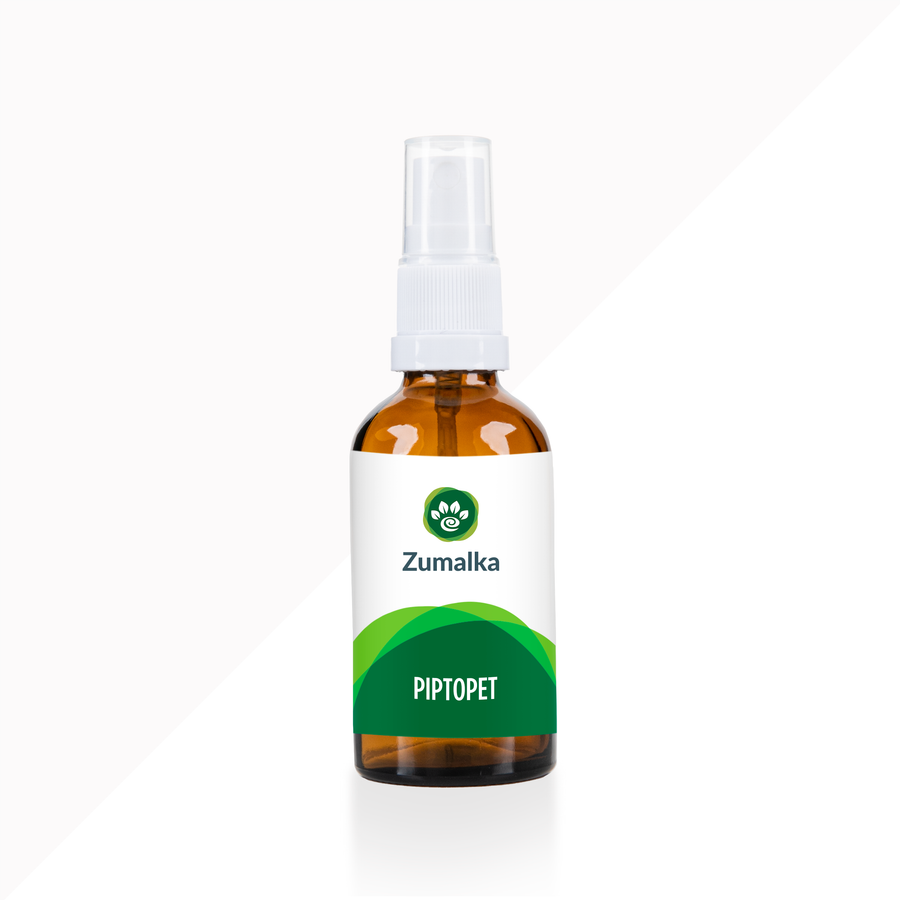
PIPTOPET by Zumalka is a natural product formulated with Birch Polypore (Fomitopsis betulina), a medicinal mushroom known for its anti-inflammatory and potential anti-cancer properties. This natural supplement is designed to help support your pet’s immune system and promote overall wellness during cancer care.
Unlike harsh treatments, PIPTOPET offers a gentle, holistic approach that can complement your veterinarian’s plan without unwanted side effects. It's easy to administer, made with high-quality ingredients, and trusted by pet parents looking for safe, science-backed support.
#5. High-quality proteins
Lean, high-quality proteins like chicken, turkey, and white fish provide essential amino acids that help maintain muscle mass and support healing in dogs with cancer. However, red meat should be avoided in cases of mammary cancer, as some studies suggest it may contribute to inflammation or hormone-sensitive tumor growth.
#6. Turmeric
Turmeric, particularly its active compound curcumin, is a powerful natural anti-inflammatory that may help slow cancer progression in dogs. Research suggests it can interfere with tumor growth and support the immune system, making it a valuable addition to a cancer-supportive diet when used appropriately.
#7. Pumpkin and sweet potato
Pumpkin and sweet potatoes are excellent sources of beta-carotene, a precursor to Vitamin A that helps protect cells from oxidative damage and supports immune health in dogs with cancer. To ensure digestibility and nutrient absorption, these root vegetables should always be served cooked and unseasoned.
#8. Coconut oil
Coconut oil is a source of healthy fats that can provide energy for dogs with cancer while helping block cholesterol absorption. Rich in medium-chain triglycerides (MCTs), it may also support immune function and promote better nutrient absorption when used in moderation.
Coconut oil should be used sparingly, since too much can cause digestive upset. For dogs with cancer who may already be dealing with pain and other symptoms, avoiding diarrhea is especially important.
Worst Foods for Dogs with Cancer: What to Avoid in Their Bowl

When a dog is battling cancer, certain foods can do more harm than good, potentially feeding tumor growth or increasing inflammation. Knowing which ingredients to avoid is just as important as choosing the right ones, helping you better support your dog’s health through informed nutrition.
High-starch carbohydrates
High-starch carbohydrates like corn, wheat, and white rice can cause spikes in blood sugar, creating an environment that may promote cancer cell growth in dogs. Reducing or eliminating these ingredients from your dog’s diet can help limit glucose availability, which some cancer cells rely on to thrive.
Simple sugars
Simple sugars like those found in sugary treats or high-fructose fruits can rapidly elevate blood glucose levels, potentially fueling cancer cell growth in dogs. Avoiding added sugars and limiting high-fructose ingredients can help create a less favorable environment for tumors and support overall metabolic health.
High-heat-cooked foods
Foods cooked at high temperatures, such as grilled meats, charred items, or heavily processed kibble, can produce harmful compounds like heterocyclic amines and acrylamides, which have been linked to cancer in both humans and animals. Minimizing these types of foods in your dog’s diet may help reduce carcinogen exposure and support healthier cellular function.
Chemical preservatives
Certain chemical preservatives, such as BHA, BHT, and ethoxyquin, are commonly found in commercial pet foods and have been linked to potential carcinogenic effects. Reading ingredient labels carefully and choosing preservative-free or naturally preserved products can help reduce your dog’s exposure to harmful additives.
Rancid fats
Rancid fats, often found in bags of dry dog food that have been open too long, can oxidize and become toxic, contributing to cellular damage and inflammation. To protect your dog’s health, store kibble in airtight containers and avoid feeding food that smells stale or has passed its shelf life.
Specialized Dietary Strategies for Dogs with Cancer: Tailoring Nutrition for Better Outcomes
Every dog with cancer has unique nutritional needs, and a one-size-fits-all approach may not provide the best support. Specialized dietary strategies can help improve energy levels, maintain muscle mass, and enhance quality of life by aligning nutrition with your dog’s specific condition and treatment plan.
- The ketogenic diet (a very high-fat, very low-carbohydrate approach) is based on the theory that it may help "starve" cancer cells by depriving them of glucose. While some pet parents explore this strategy under veterinary supervision, it's not appropriate for dogs with pancreatitis, kidney disease, or certain metabolic conditions.
- To maintain a balanced diet, treats and food toppers should make up no more than 10% of your dog’s total daily caloric intake. Exceeding this guideline can lead to nutritional imbalances, especially for dogs with cancer who require carefully managed diets to support their health.
Pro Tips to Help Dogs with Cancer Eat Better: Solutions for Picky Appetites

Loss of appetite is common in dogs with cancer, but getting the right nutrients is essential for strength and healing. These expert-backed tips can help encourage eating, support your dog’s well-being, and make mealtime less stressful for both of you:
Enhance food aroma to stimulate appetite in dogs with cancer
Warming your dog’s food to body temperature can significantly enhance its aroma, helping to stimulate the appetite, especially in dogs undergoing cancer treatment. Since smell plays a major role in a dog’s desire to eat, this simple step can make meals more appealing and easier to accept.
Nutritious food toppers for dogs with cancer help boost flavor and support healing
Adding nutrient-rich toppers like sodium-free chicken bone broth or raw goat’s milk can boost the flavor and appeal of meals for dogs with cancer. These gentle, easily digestible additions not only enhance palatability but also provide hydration, immune support, and essential nutrients.
Digestive enzymes for dogs with cancer help support nutrient absorption and gut health
Digestive enzymes can help “pre-digest” food, making nutrients more bioavailable for dogs with cancer whose systems may be weakened by illness or treatment. By supporting more efficient digestion and absorption, enzymes can play a key role in maximizing the nutritional value of every meal.
A Holistic Approach to Supporting Dogs with Cancer: Nutrition, Care, and Compassion
When it comes to feeding a dog with cancer, there's no substitute for expert guidance. Always consult your veterinarian or a certified pet nutritionist to create a personalized nutrition plan that supports your dog’s specific diagnosis, treatment, and overall well-being.
While nutrition isn’t a cure for cancer, the right diet can play a powerful role in improving your dog’s comfort, strength, and resilience during treatment. Providing targeted nutrients helps support the immune system, manage side effects, and offer the best possible quality of life throughout the journey.
FAQs
What foods should dogs with cancer avoid?
Dogs with cancer should avoid high-starch carbohydrates, added sugars, processed kibble, chemical preservatives like BHA and BHT, and rancid fats, all of which may promote inflammation, oxidative stress, or tumor growth.
What helps fight cancer in dogs?
A cancer-fighting plan for dogs includes a nutrient-rich, low-carb diet, omega-3 fatty acids, antioxidant-rich superfoods, medicinal mushrooms, and veterinary-approved supplements, all supporting immune function, reducing inflammation, and enhancing quality of life during treatment.
What homemade food is good for dogs with cancer?
Homemade meals for dogs with cancer should include lean proteins like turkey or white fish, healthy fats like coconut oil, and cancer-fighting vegetables such as broccoli, pumpkin, and blueberries, cooked and balanced under veterinary guidance.
What is the most powerful cancer-fighting food?
While no food alone can put cancer into remission, small oily fish like sardines and mackerel are rich in omega-3 fatty acids that support a healthy inflammatory response. Medicinal mushrooms such as Reishi and Turkey Tail may also help support immune health when used as part of integrative cancer care.
What to feed a sick dog with cancer?
Feed a sick dog with cancer a nutrient-dense, low-carb diet including lean proteins, healthy fats, and cooked vegetables like pumpkin or broccoli. Add bone broth or goat’s milk to boost flavor, hydration, and nutrition.
How to prolong a dog's life with cancer?
To help prolong a dog’s life with cancer, focus on a vet-approved diet, regular checkups, immune-supportive supplements, stress reduction, and personalized care that supports comfort, nutrition, and overall well-being.
Is egg good for dogs with cancer?
Yes, eggs are a great source of high-quality protein and essential amino acids for dogs with cancer. When cooked plain, they support muscle maintenance, immune function, and overall health during treatment.
About the author

Explora más


Dejar un comentario