

8 Vet-Backed Home Remedies for Bacterial Infections in Cats


List of Contents
- 8 Effective Home Remedies for Bacterial Infections in Cats
- Targeted Care for Common Feline Infections: A Practical, Supportive Approach
- Boosting Immunity in Cats: Essential Support for Infection Prevention
- Crucial Safety Warnings for Cats: What NOT to Do During Infection Care
- When to Call the Vet: Recognizing Red Flags in Sick Cats
- FAQs
Felines are experts at hiding pain and illness, which means the early signs of infection in cats are often subtle and easy to miss. Learning to recognize these warning signs is critical for early intervention, helping protect your cat’s health and prevent infections from becoming serious or life-threatening.
Common signs of infection in cats include fever, lethargy, loss of appetite, unexplained weight loss, and unusual odors coming from the mouth, ears, or wounds. Noticing these symptoms early and seeking prompt veterinary care can help prevent infections from worsening and support a faster recovery.
The goal of home care is to support your cat’s natural healing processes by helping balance the immune system and ease discomfort. When used appropriately, natural remedies may help relieve symptoms such as congestion or inflammation while complementing veterinary treatment.
In addition to working closely with a veterinarian, consulting a certified pet homeopath can provide valuable complementary support for your cat’s health. Pet homeopathy focuses on individualized care and may help support the immune system and overall well-being alongside conventional veterinary treatment.
8 Effective Home Remedies for Bacterial Infections in Cats

Bacterial infections in cats can range from mild to serious, making early support and proper care essential for recovery. While veterinary treatment is always the foundation of care, these effective home remedies may help support your cat’s immune system and comfort when used appropriately alongside professional guidance.
#1. Raw honey is a natural, broad-spectrum antibacterial support for cats
Raw honey offers natural antibacterial benefits due to its ability to produce hydrogen peroxide and its high sugar content, which creates an environment that inhibits bacterial growth. These properties have made honey widely noted for its effectiveness against a broad range of bacteria, including some antibiotic-resistant strains such as MRSA.
This home remedy may be applied topically to clean wounds up to twice daily to help inhibit bacterial growth and support healing. For internal concerns such as mild urinary tract irritation or coughs, it may be given orally based on body weight, but appropriate dosing should always be discussed with a veterinarian beforehand.
#2. Apple cider vinegar is a natural antibacterial support for felines
Apple cider vinegar (ACV) is known for its antibacterial and antifungal properties, which may help create an environment that discourages microbial growth. It is often noted for its potential usefulness in managing difficult-to-treat ear infections, including those involving bacteria such as Pseudomonas, when used appropriately and under veterinary guidance.
For urinary support, apple cider vinegar may be mixed in small amounts with honey and warm water, ideally at a 1:3 or 1:5 ratio of vinegar to water, to improve palatability. For external applications, such as skin concerns or flea deterrence, a more diluted spray (with a higher water-to-vinegar ratio) can be used cautiously. Expert guidance is recommended to ensure safe and appropriate use.
#3. Coconut oil provides a gentle, natural remedy for supporting cats’ health
Coconut oil contains lauric acid, a naturally occurring fatty acid known for its antibacterial, antiviral, and antifungal properties. These qualities may help support immune health and protect against harmful microorganisms when coconut oil is used appropriately as part of a cat’s overall care plan.
This natural option may be gently rubbed onto the gums to support oral hygiene in cases of minor dental irritation or applied topically to skin infections and crusted nasal lesions. Its soothing texture and natural antimicrobial properties may help protect affected areas, though use should be conservative and guided by a professional to ensure safety for cats.
#4. Black tea for cats offers natural support for eye and skin irritations
Black tea offers natural antibacterial and astringent properties that may help soothe irritated skin and dry out moist, inflamed areas commonly known as “hot spots.” When used appropriately, it can support skin healing by reducing excess moisture and creating an environment less favorable for bacterial growth.
For minor eye irritation or infection support, cooled black tea that has been properly steeped may be gently applied to the affected eye using one to two drops, up to four times daily. Care should be taken to ensure the tea is fully cooled and strained, and veterinary guidance is recommended if symptoms persist or worsen.
#5. Olive leaf extract for cats provides natural antibacterial and immune support
Olive leaf extract is widely regarded as one of the most potent and well-studied natural antibacterials used in pet care. It has demonstrated activity against a range of food-borne pathogens, including E. coli and Salmonella, making it a popular option for supporting immune health when used appropriately.
Olive leaf extract is commonly administered based on body weight, with a typical guideline of approximately 100 mg per 10 pounds given twice daily. Because appropriate dosing can vary depending on a cat’s condition, size, and overall health, a veterinarian should always be consulted before starting supplementation.
#6. Propolis (bee glue) is a natural remedy to support a cat's immune health
Propolis, often referred to as “bee glue,” is a resinous substance bees use to protect and reinforce their hives. It is valued for its antimicrobial properties and has demonstrated activity against common bacteria, including Staphylococcus and Streptococcus.
In pets, propolis may be applied as an ointment or properly diluted tincture to support the management of minor skin infections. As with any natural remedy, appropriate dilution and professional guidance are recommended to ensure safe and effective use.
This home remedy is commonly used to support respiratory health and may be beneficial during mild respiratory infections due to its natural antimicrobial properties. It is typically administered based on body weight, but because appropriate dosing can vary, consultation with a veterinarian is essential before use.
#7. Turmeric (curcumin) is a plant-based remedy to support immune health in cats
Turmeric, through its active compound curcumin, is valued for its natural anti-inflammatory and antioxidant properties, which help support the body’s healing response. It has also shown potential effectiveness against certain antibiotic-resistant skin infections, making it a popular complementary option in integrative care when used appropriately.
This natural remedy is typically mixed into food based on body weight, with a small amount added to meals to support absorption and effectiveness. Because curcumin is fat-soluble, combining it with a healthy fat such as olive oil can improve uptake, though veterinary guidance is recommended to ensure appropriate dosing and tolerance.
#8. Probiotics and enzymes help support gut health and immunity in cats
Maintaining a balanced gut microbiome is essential for preventing yeast and bacterial overgrowth in cats. Probiotics help support healthy digestion and strengthen the immune system from the inside out, making them an important component of overall wellness and infection prevention.
Vet-approved probiotic and enzyme supplements may be given daily to help maintain a healthy gut environment and support digestive balance in cats. Consistent use can help the intestinal system better resist pathogenic bacterial and yeast overgrowth, contributing to stronger immune function over time.
Targeted Care for Common Feline Infections: A Practical, Supportive Approach
Common feline infections often affect specific areas of the body, making targeted care essential for effective support and recovery. This section outlines practical, supportive strategies that complement veterinary treatment and help address infections based on their location and symptoms.
Urinary tract infections
Supporting urinary tract health in cats begins with increasing fluid intake through wet food and constant access to fresh water, which helps flush bacteria from the urinary system. In some cases, small amounts of apple cider vinegar are discussed as a complementary approach to support urinary balance, but this should be considered only under veterinary guidance to ensure safety and appropriateness.
Respiratory health issues
Respiratory infections in cats, including feline upper respiratory disease (often called cat flu), commonly cause congestion and difficulty breathing. Using a humidifier or allowing your cat to sit in a steamy bathroom for 5–10 minutes twice daily can help loosen mucus, ease nasal passages, and improve overall breathing comfort.
Wound management
Proper wound management is essential for preventing infection and promoting healing in cats. Wounds should be gently cleaned with a dilute antiseptic such as chlorhexidine, and if an abscess develops, it must be properly drained and flushed (ideally under veterinary supervision) to allow pus to escape and reduce the risk of further infection.
Boosting Immunity in Cats: Essential Support for Infection Prevention

A strong immune system plays a critical role in helping cats fight off infections and recover more quickly when illness occurs. Supporting immune health through proper nutrition, stress reduction, and targeted supplements can help reduce the risk of recurring infections and promote long-term wellness.
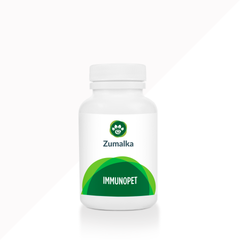
A well-functioning immune system is essential for helping pets resist everyday stressors and recover more effectively from illness. Zumalka's IMMUNOPET is designed to gently nourish the body’s natural defenses, making it a thoughtful addition to a holistic wellness routine.
Carefully selected herbs work together to support immune balance, detoxification, and overall vitality without overstimulating the system. Because it’s formulated with long-term use in mind, IMMUNOPET can be especially helpful for pets prone to recurrent infections or environmental sensitivities.
When used alongside proper nutrition and veterinary care, IMMUNOPET offers a natural way to promote resilience and whole-body health. Many pet parents choose it as a proactive option to help their pets stay strong, comfortable, and better equipped to handle immune challenges.
Crucial Safety Warnings for Cats: What NOT to Do During Infection Care
When caring for a cat with an infection, well-intentioned home treatments can sometimes do more harm than good if used incorrectly. This section highlights critical safety warnings and common mistakes to avoid, helping ensure your cat receives effective, appropriate care without unnecessary risk.
- Certain human medications are extremely dangerous for cats and should never be used under any circumstances. Paracetamol (acetaminophen) is highly toxic (even in small amounts), and topical products like VapoRub can cause serious harm, making veterinary-approved treatments the only safe option for feline infection care.
- Neosporin and other triple-antibiotic ointments should not be used on cats, as certain ingredients can trigger severe allergic reactions. In some cases, exposure may lead to life-threatening anaphylaxis, making it essential to use only products specifically formulated and approved for feline use.
- Disinfectants containing phenols are highly toxic to cats and should never be used in their environment or on their bodies. Cats cannot safely metabolize phenols, and exposure can lead to serious poisoning, making pet-safe cleaning products essential during infection care.
When to Call the Vet: Recognizing Red Flags in Sick Cats

While home care can play a supportive role, there are times when professional veterinary care is essential for your cat’s safety and recovery. Knowing when to call the vet can prevent complications, ensure timely treatment, and significantly improve health outcomes.
Certain symptoms require immediate veterinary attention and should never be managed at home. Seek emergency care if your cat has difficulty breathing, persistent vomiting, blood in the urine, or a fever above 102.6–103°F. These signs may indicate a serious or life-threatening condition.
Always complete the full course of any antibiotics prescribed for your cat, even if symptoms appear to improve early. Stopping treatment too soon can allow bacteria to survive and multiply, increasing the risk of antibiotic resistance and recurrent infection.
In addition to following veterinary recommendations, consulting a qualified pet homeopathy expert can offer valuable complementary support. Homeopathy focuses on individualized care and may help support immune balance and overall well-being when used alongside conventional treatment.
FAQs
How do you treat a bacterial infection in a cat?
Bacterial infections in cats are treated with veterinary-prescribed antibiotics, supportive care, and proper hydration. Completing the full medication course and addressing underlying causes are essential for recovery and preventing recurrence.
What can I give my cat for an infection without a vet?
Without a vet, options are limited to supportive care like hydration, rest, gentle wound cleaning, and vet-approved supplements. Avoid human medications, monitor closely, and seek veterinary care promptly if symptoms worsen or persist in cats today.
What is the best natural cure for bacterial infection in cats?
There is no single natural cure for bacterial infections in cats, but supportive remedies like probiotics, immune-supporting herbs, and proper nutrition may help recovery when used alongside veterinary diagnosis and treatment and ongoing professional care.
How long does a cat's bacterial infection last?
A cat’s bacterial infection may last a few days to several weeks, depending on severity, location, and treatment. With prompt veterinary care and antibiotics, most infections improve within one to two weeks.
How do you know if a cat has a bacterial infection?
Signs of a bacterial infection in cats include fever, lethargy, loss of appetite, discharge, swelling, wounds that won’t heal, or foul odors. A veterinarian can confirm infection through examination and diagnostic testing.
Can a bacterial infection in cats go away by itself?
Some mild bacterial infections in cats may resolve without treatment, but many do not. Without proper care, infections can worsen or spread, making timely veterinary evaluation important for safe, complete recovery.
About the author

Explora más


Dejar un comentario