
Vet Insights – Natural Dog Cataract Treatments: What Pet Owners Should Know


List of Contents
- Canine Cataracts: Understanding the Causes and Stages
- How to Tell the Difference Between Cataracts and Nuclear Sclerosis in Dogs
- Nutritional Foundations for Canine Eye Health
- Natural Supplements and Holistic Remedies for Canine Eye Health
- Zumalka’s CLEARVISION for Dogs: Natural, Homeopathic Cataract Support for Eye Health
- Non-Surgical Eye Drops for Dog Cataracts: What the Latest Research Shows
- Preventing Cataracts in Dogs: Lifestyle and Environmental Tips
- Living with a Visually Impaired Dog: How to Help Your Pet Thrive
- A Final Word: Combining Natural Remedies and Veterinary Care for Your Dog’s Eye Health
- FAQs
Although surgery is the most common treatment for dog cataracts, many pet owners are turning to natural options to help support their dog’s vision. While these remedies may not reverse cataracts, they can complement veterinary care and promote better eye health over time.
Cataracts in dogs occur when proteins in the eye’s lens clump together, forming a cloudy film that obstructs light. This buildup can impair vision over time, leading to partial or complete blindness if left untreated.
While cataracts can’t always be reversed without surgery, certain lifestyle changes may help slow their progression. Targeted nutrition, supplements, and holistic care can support your dog’s overall eye health and quality of life.
A word of caution for pet parents considering natural options
Before beginning any natural treatment for dog cataracts, it's important to consult with a veterinarian to ensure safety and proper dosing. Additionally, working with a certified pet homeopath can offer expert insight into holistic options tailored to your dog’s specific needs.
Canine Cataracts: Understanding the Causes and Stages

Canine cataracts can significantly affect your dog’s vision, often leading to cloudiness, discomfort, and even blindness if left untreated. Understanding the underlying causes and stages of cataract development is key to early detection and effective, proactive care.
- Genetics is one of the leading causes of canine cataracts, with certain breeds more prone to developing this condition. Dogs like Cocker Spaniels, Poodles, and Siberian Huskies are genetically predisposed, making early monitoring especially important for these breeds.
- Diabetes mellitus is the most common medical cause of cataracts in dogs, often leading to rapid lens changes. In fact, the majority of diabetic dogs develop cataracts within the first year of diagnosis, making early management crucial.
- Age-related degeneration is a common cause of cataracts in senior dogs, as the lens naturally becomes less transparent over time. Additionally, eye injuries or trauma can damage the lens and trigger cataract formation at any age.
Recognizing the stages of canine cataracts is essential for early intervention and better long-term vision care.
Cataracts in dogs typically progress through four stages: incipient, immature, mature, and hypermature. In the early (incipient) stage, only a small portion of the lens is affected, and your dog may still see normally.
As the condition advances to the hypermature stage, the lens becomes fully opaque, often leading to significant vision loss or blindness. Recognizing which stage your dog is in can help you and your veterinarian determine the best course of care, whether conventional or natural.
How to Tell the Difference Between Cataracts and Nuclear Sclerosis in Dogs
Many pet owners mistake the bluish-gray cloudiness in their senior dog’s eyes for cataracts, but it may actually be a harmless condition called nuclear (or lenticular) sclerosis. This age-related change affects the lens but typically does not impair vision.
Appearance
- Cataracts: White, opaque, or milky spot in the center of the eye
- Nuclear sclerosis: Bluish-gray haze, usually evenly spread across the lens
Age of onset
- Cataracts: Can occur at any age (genetic, diabetic, or age-related)
- Nuclear sclerosis: Common in senior dogs (typically over age 6)
Impact on vision
- Cataracts: Gradually impair or block vision; may lead to blindness
- Nuclear sclerosis: Little to no impact on vision; mostly cosmetic
Diagnosis
- Cataracts: Confirmed through a veterinary eye exam and possible imaging
- Nuclear sclerosis: Easily diagnosed by a vet during a routine check-up
Treatment
- Cataracts: May require surgery or supportive care
- Nuclear sclerosis: No treatment needed, harmless age-related change
Unlike cataracts, nuclear sclerosis doesn't lead to blindness and usually requires no treatment. Understanding the difference between these two conditions is essential for avoiding unnecessary concern and choosing the right care for your aging dog.
Nutritional Foundations for Canine Eye Health
Switching from processed kibble to a whole-food, nutrient-rich diet can significantly support your dog’s eye health and overall well-being. Whole foods packed with antioxidants, such as leafy greens, berries, and omega-3s, help protect the eyes from oxidative damage that contributes to cataract formation.
- Certain whole foods are especially beneficial for your dog’s eye health, thanks to their high antioxidant and nutrient content. Blueberries, raspberries, and cranberries help neutralize free radicals, while orange vegetables like carrots and pumpkin provide beta-carotene to support vision and lens clarity.
- Leafy greens, such as kale, spinach, and broccoli, are excellent sources of lutein and zeaxanthin, key antioxidants that support healthy vision in dogs. These nutrients help shield the eyes from age-related damage and may reduce the risk of cataract development.
- Eggs and lean meats are excellent protein sources that provide vital nutrients like vitamin A and zinc to support your dog’s vision. These nutrients help maintain lens health, protect the retina, and promote overall eye function as your dog ages.
-
Omega-3 fatty acids, commonly found in cold-water fish and krill oil, are essential for maintaining your dog’s eye health. These anti-inflammatory nutrients support the retina, protect against oxidative damage, and may help slow the progression of cataracts.
Natural Supplements and Holistic Remedies for Canine Eye Health

Natural supplements and holistic remedies can play a valuable role in supporting your dog’s eye health, especially when used alongside regular veterinary care. From antioxidant-rich herbs to anti-inflammatory oils, these gentle, plant-based options may help slow the progression of cataracts and protect overall vision.
- Astaxanthin is a naturally occurring red carotenoid recognized for its potent antioxidant effects in dogs. By helping to reduce oxidative damage in the eyes, it may support lens clarity and slow the progression of age-related conditions, such as cataracts.
- Bilberry and grape seed extract are powerful plant-based antioxidants known to protect the lens epithelial cells in dogs' eyes. By reducing oxidative damage, these supplements may help preserve vision and support overall eye health, particularly in dogs prone to cataracts.
- Certain traditional herbal formulas have shown promise in supporting canine eye health and slowing cataract development. Triphala, an ancient Ayurvedic blend, and Hachimijiogan, a Chinese herbal remedy, are both used holistically to help manage early-stage and diabetic cataracts in dogs.
Accurate dosing is essential when using natural supplements to support canine eye health, as even beneficial nutrients can be harmful in incorrect amounts. For safe and effective use, consult your veterinarian or a certified pet homeopathy practitioner to tailor the dosage to your dog’s size and condition.
Zumalka’s CLEARVISION for Dogs: Natural, Homeopathic Cataract Support for Eye Health

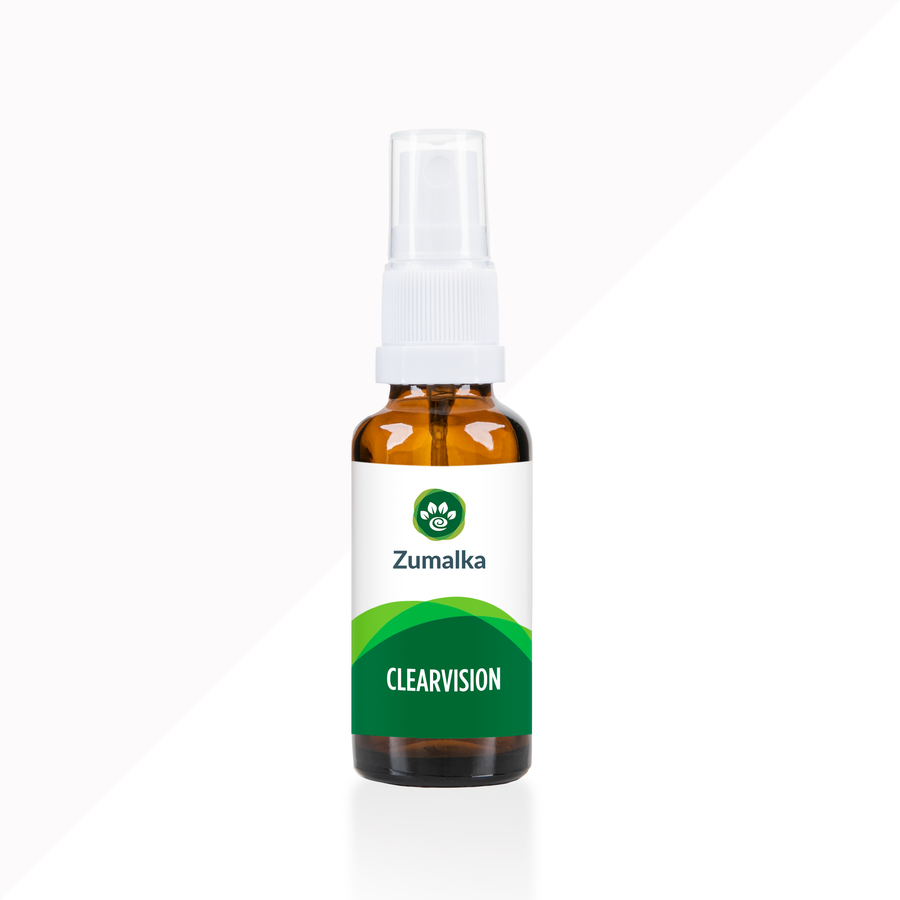
CLEARVISION by Zumalka offers a gentle, homeopathic approach to supporting eye health in dogs experiencing age-related cloudiness or early-stage cataracts. Made from natural ingredients, this formula aims to protect lens clarity and promote long-term visual wellness without harsh chemicals or invasive procedures.
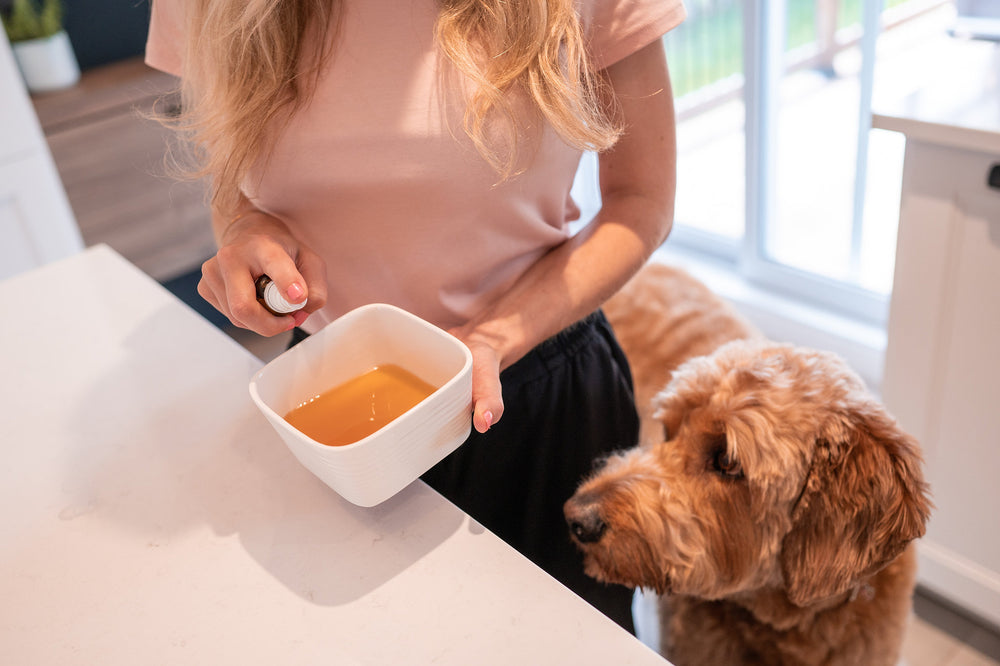
Formulated by experts in natural pet health, CLEARVISION targets the oxidative stress and protein buildup often linked to cataract development. Its liquid form makes it easy to administer orally, making it a convenient addition to your dog’s wellness routine.
For pet parents exploring non-surgical options, CLEARVISION may offer a safe, supportive alternative to help maintain their dog’s quality of life. When used alongside regular veterinary care, it complements a holistic approach to canine eye health.
Non-Surgical Eye Drops for Dog Cataracts: What the Latest Research Shows
Recent research has explored the potential of non-surgical eye drops as a supportive treatment for dog cataracts, offering hope to pet owners seeking gentler alternatives to surgery. While results are still emerging, some formulations show promise in slowing cataract progression and improving lens clarity in certain cases.
- Lanosterol-based eye drops gained attention after a 2015 study suggested they could help dissolve the protein clumps responsible for cataract formation. This research opened the door to non-surgical options for improving lens clarity and potentially slowing cataract progression in dogs.
- N-Acetylcarnosine (NAC) eye drops have been studied for their potential to slow or even reverse age-related lens clouding in dogs. As a powerful antioxidant, NAC may help protect the eyes from oxidative stress, supporting clearer vision and healthier aging.
- Homeopathic Cineraria drops have long been used in holistic pet care as a natural option for managing cataracts over time. Believed to support lens clarity and overall eye health, these drops may offer gradual benefits when used consistently under professional guidance.
- Filtered aloe has been used as a gentle, natural remedy to soothe irritated eyes and reduce inflammation in dogs. Its anti-inflammatory and hydrating properties may offer supportive care for various eye conditions, including those linked to cataract discomfort.
Preventing Cataracts in Dogs: Lifestyle and Environmental Tips

Although genetics can influence cataract development in dogs, proactive lifestyle and environmental choices may help delay or reduce the risk. By focusing on proper nutrition, minimizing exposure to toxins, and protecting your dog’s eyes from UV damage, you can support long-term vision health.
- Protecting your dog’s eyes from UV exposure and physical injury can play a valuable role in maintaining long-term vision health. Canine sunglasses, often called “doggles,” offer effective protection against sun damage, debris, and environmental irritants during outdoor activities.
- Avoiding exposure to harsh chemicals is an important step in protecting your dog’s eye health, especially during early development. Choosing sulfate-free shampoos and grooming products can reduce the risk of irritation and may help prevent chemically induced cataracts in young pets.
- Effective lifestyle management is essential for reducing cataract risk, especially in dogs with underlying health conditions. Regularly monitoring blood sugar levels in diabetic dogs and avoiding unnecessary vaccinations can help maintain immune balance and protect long-term eye health.
Living with a Visually Impaired Dog: How to Help Your Pet Thrive
Environmental consistency plays a vital role in helping visually impaired dogs adapt and move around safely. Keeping furniture in the same place and using scent cues or gentle sounds can support their spatial awareness and reduce anxiety.
Installing safety barriers is an important step in preventing accidents for visually impaired dogs. Baby gates or pet-safe barriers can block access to stairs, porches, or other hazardous areas, giving your dog a safer space to navigate confidently.
A Final Word: Combining Natural Remedies and Veterinary Care for Your Dog’s Eye Health
While cataract surgery remains the only definitive way to fully restore a dog’s vision, it may not be feasible or necessary for every pet. Natural management options, such as supplements, diet, and homeopathic remedies, offer a gentler, more affordable way to support eye health and maintain quality of life.
Consistent veterinary check-ups are key to managing cataracts and protecting your dog’s long-term eye health. Monitoring eye pressure and screening for secondary conditions like glaucoma allows for early intervention and more effective, proactive care.
In addition to regular veterinary care, working with a certified pet homeopath can offer valuable insights into natural cataract management. Their expertise in holistic remedies allows for a more personalized approach to supporting your dog’s eye health and overall well-being.
FAQs
Can dog cataracts be treated without surgery?
While surgery is the only way to fully restore vision, certain natural remedies, supplements, and lifestyle changes may help slow the progression of dog cataracts and support overall eye health without invasive procedures.
Can you get rid of cataracts in dogs without surgery?
Cataracts in dogs cannot be completely reversed without surgery, but natural options like antioxidants, homeopathic remedies, and dietary support may help slow progression, reduce cloudiness, and improve overall eye health when used alongside veterinary guidance.
What foods help dogs with cataracts?
Antioxidant-rich foods such as blueberries, carrots, spinach, pumpkin, and eggs can support canine eye health. These nutrient-dense options may help reduce oxidative stress and slow the development of cataracts in dogs.
How can I slow down my dog's cataract progression?
To slow cataract progression in dogs, focus on antioxidant-rich nutrition, natural supplements like astaxanthin or NAC, regular vet check-ups, and eye protection. Early intervention and holistic support can help preserve vision and overall eye health.
What can reverse cataracts in dogs?
Cataract surgery is the only method known to fully reverse cataracts in dogs. However, natural supplements, antioxidant-rich foods, and holistic eye care may help slow their progression and support overall vision health.
Can cataracts resolve on their own in dogs?
Cataracts do not resolve on their own in dogs and often worsen over time. Without treatment, they can lead to vision loss, making early management and regular veterinary monitoring essential for long-term eye health.
About the author


Dejar un comentario