

Top 6 Vet-Verified Natural Remedies for Cat Colitis


List of Contents
When scooping the litter box, you might notice something unusual: mucus, loose stool, or even blood. In some cases, your cat may also strain during bowel movements or appear uncomfortable. These symptoms can be signs of feline colitis, a common inflammatory condition affecting the large intestine.
Colitis in cats is the inflammation of the colon, or large intestine, which plays a key role in absorbing water from digested food. When inflamed, it disrupts this process, often causing watery diarrhea, mucus, or even bright red blood in your cat’s stool.
While conventional treatments like steroids are available, many mild to moderate cases of colitis can be managed with gentle, holistic care. If you're wondering how to treat colitis in cats naturally, there are proven, vet-approved remedies that support healing without harsh side effects.
What Cat Colitis Is Like: An Easy Analogy for Pet Owners
Think of your cat’s colon as a water-processing plant. Its job is to absorb water and form solid stool. When colitis causes inflammation, that system breaks down, allowing unprocessed water to pass through and leading to diarrhea.
Natural treatments work like a skilled maintenance crew for your cat’s digestive system. Soothing herbs calm inflammation, probiotics rebalance gut bacteria, and novel proteins reduce irritation. Together, they help restore healthy colon function and ease the symptoms of colitis in cats naturally.
Before trying any natural remedies for colitis in cats, it’s essential to consult with a veterinarian or certified pet homeopath. Expert guidance ensures the treatment is safe, appropriate, and tailored to your cat’s specific needs and overall health.
6 Vet-Recommended Ways to Treat Colitis in Cats Naturally

If your cat is experiencing chronic diarrhea, mucus in the stool, or ongoing digestive issues, feline colitis could be the cause. These six vet-approved natural treatments provide gentle, effective ways to manage mild colitis and promote long-term digestive health, without depending entirely on medication.
Note: For persistent or worsening symptoms, always consult your veterinarian to ensure your cat receives the proper care.
#1. Transition your cat to a species-appropriate, limited-ingredient diet to reduce inflammation and identify potential food triggers for colitis.
Many cats with colitis respond well to dietary changes, especially when food sensitivities are the underlying cause. A species-appropriate, limited-ingredient diet can help calm inflammation, reduce digestive upset, and support long-term gut health naturally.
Feeding your cat a novel protein diet, using meats like rabbit, venison, or kangaroo, can help reduce immune reactions linked to colitis. By avoiding common proteins that may trigger inflammation, this approach supports healing and promotes a healthier digestive system.
Prioritizing high-moisture wet food over dry kibble supports better digestion and helps prevent chronic dehydration, a common issue in cats with colitis. Increased moisture intake can ease bowel movements, reduce inflammation, and promote overall gut health.
During acute colitis flare-ups, feeding your cat a bland, easily digestible diet can help soothe the gut and reduce irritation. Simple foods like plain boiled chicken and pumpkin provide gentle nourishment while giving the digestive system time to recover.
#2. Support your cat’s gut health by restoring the microbiome with targeted probiotics and prebiotics designed to reduce inflammation and improve digestion.
Colitis in cats is often associated with dysbiosis, an imbalance of healthy gut bacteria that disrupts normal digestive function. Restoring microbial balance is key to reducing inflammation, improving stool quality, and supporting long-term gut health.
Using a combination of probiotics (live beneficial bacteria) and prebiotics (fibers that nourish them) can help restore gut balance in cats with colitis. This targeted approach supports a healthier microbiome, reduces inflammation, and promotes more stable digestion over time.
Saccharomyces boulardii is a well-researched probiotic yeast that can help manage diarrhea and support gut balance in cats with colitis. Its unique properties make it especially effective during flare-ups, even when antibiotics are part of the treatment plan.

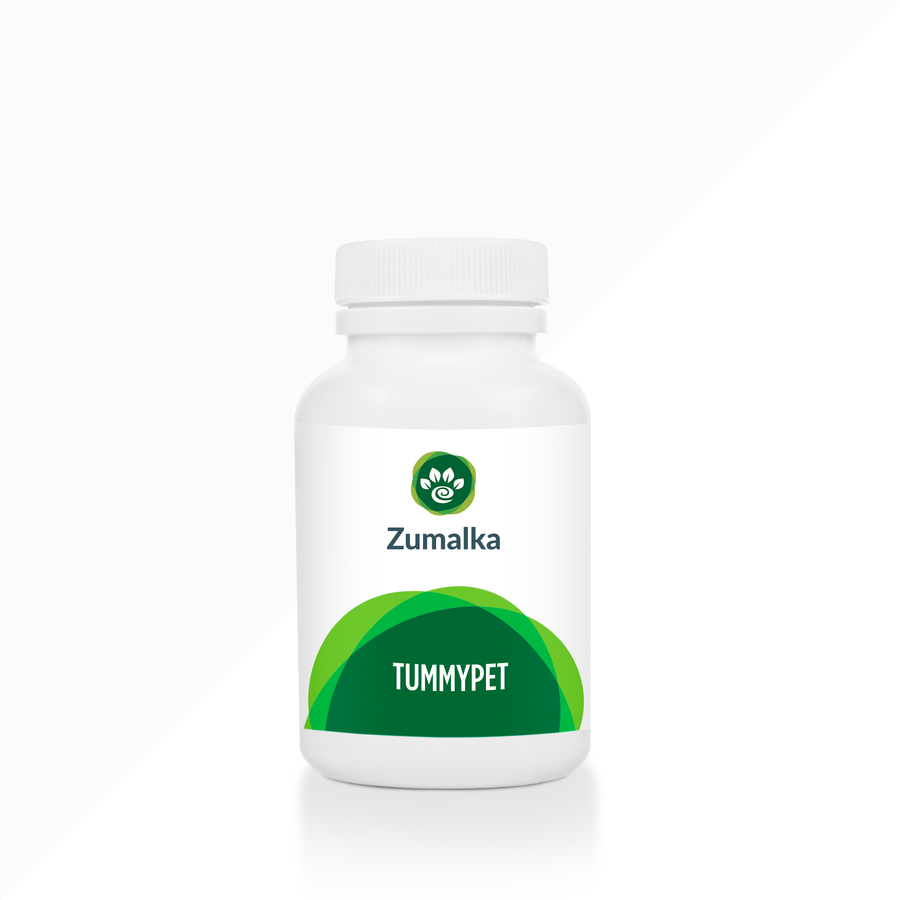
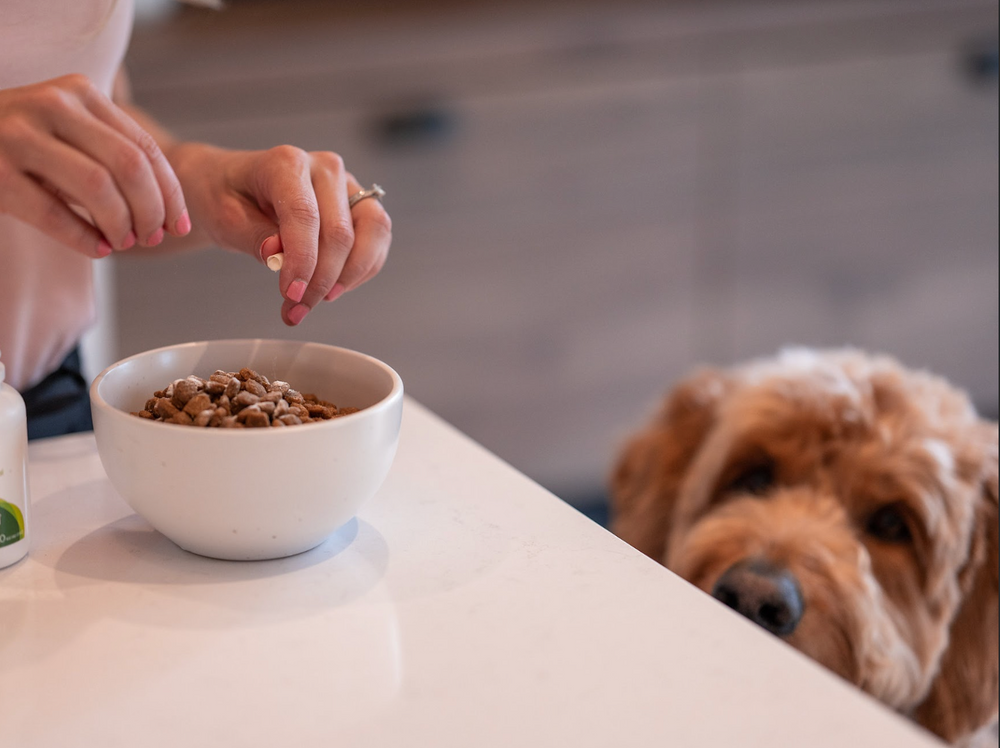
Pro-tip: Supporting your pet’s gut health is essential when managing chronic conditions like colitis, and a high-quality probiotic can make a noticeable difference. Zumalka’s TUMMYPET formula is specially designed for pets, helping to rebalance the microbiome, improve digestion, and support immune function naturally.
With carefully selected strains and a gentle, animal-safe formulation, TUMMYPET can be an effective part of a holistic approach to colitis. It’s easy to administer, vet-approved, and made to work alongside other natural or conventional treatments for optimal gut health.
#3. Support digestion with soothing, mucilage-rich herbs.
Support gastrointestinal health with soothing herbs like Slippery Elm and Marshmallow Root. Rich in mucilage, these botanicals form a protective barrier that helps calm inflammation and promote healing in the digestive tract.
Aloe vera inner gel is a natural remedy known to soothe inflammation and ease stomach discomfort. Be sure to use only the clear inner gel, as the outer green skin can be irritating, especially for cats. The yellow latex found just beneath the skin is also toxic and can cause serious digestive upset and potentially lead to kidney damage if ingested in large amounts.
#4. Enhance digestive health with targeted fiber supplementation to support regularity and gut function.
Support healthy digestion with soluble fiber sources, such as pure canned pumpkin or psyllium. These natural remedies help regulate bowel movements and improve stool quality for optimal gut health.
Fiber plays a key role in digestive balance by helping to firm up loose stools or relieve the discomfort of straining. This natural support promotes more consistent, comfortable bowel movements and overall gut health.
#5. Promote well-being by managing environmental stressors and maintaining a consistent daily routine
Chronic stress is a common trigger for stress-related colitis, disrupting digestion and gut health. It can activate mast cells and slow gastrointestinal function, leading to discomfort and inflammation.
Foster a calm, stress-free environment by keeping a consistent daily routine and providing safe spaces such as vertical perches or cozy hiding spots. Pheromone diffusers can further support relaxation and emotional balance, especially in cats sensitive to environmental changes.
#6. Enhance wellness naturally by incorporating holistic therapies like acupuncture and homeopathy to support healing and balance.
Acupuncture is a holistic therapy that helps reduce inflammation by regulating the autonomic nervous system. This gentle, drug-free approach supports the body’s natural healing processes and promotes overall well-being.
Homeopathy offers gentle, natural remedies like arnica and calendula to support a cat’s individual healing needs. For best results, these treatments should be used under the guidance of an integrative veterinarian.
Recognizing the Signs of Colitis: What to Watch for in Your Cat

Colitis in cats often appears as diarrhea, straining in the litter box, or noticeable changes in stool consistency. Identifying these signs early allows you to address the issue promptly and support your cat’s overall digestive health.
- Common symptoms include urgency and frequent attempts to defecate, which may indicate an underlying gastrointestinal issue.
- Straining during bowel movements, also known as tenesmus, is a common symptom that may be mistaken for constipation.
- Noticing fresh red blood or mucus in the stool may signal irritation, inflammation, or other underlying gastrointestinal issues.
- Flatulence and abdominal discomfort are common digestive symptoms that may indicate underlying issues such as food intolerance, gut imbalance, or inflammation.
Why a Professional Diagnosis Matters for Digestive Health

Always prioritize a veterinary exam before beginning any natural treatment to rule out underlying issues such as Giardia, bacterial infections, or serious conditions like lymphoma. A proper diagnosis ensures safe, effective care and prevents delays in treating potentially life-threatening illnesses.
Veterinarians may use diagnostic tools such as fecal tests, blood work, or biopsies to identify the root cause of gastrointestinal symptoms. These methods provide a definitive diagnosis, guiding appropriate treatment and ensuring your pet receives the best possible care.
When considering homeopathic remedies for pets, guidance from a certified pet homeopath is essential to ensure safe and effective treatment. Expert supervision helps tailor remedies to your pet’s specific condition and prevents potential complications from incorrect or inappropriate use.
Supporting Your Pet’s Digestive Health for the Long Run
With proper natural management and veterinary guidance, many cats with colitis can go on to live long, healthy, and comfortable lives. Early intervention and consistent care are key to reducing flare-ups and supporting long-term digestive health.
A truly natural approach to pet care also means minimizing exposure to household toxins such as harsh cleaners, synthetic air fresheners, and pesticides. Reducing these environmental irritants can help support your cat’s immune system and prevent unnecessary digestive flare-ups.
FAQs
How to treat colitis in cats naturally?
To treat colitis in cats naturally, combine a vet-approved diet with probiotics, stress reduction, and herbal or homeopathic support. Always under veterinary guidance after ruling out parasites, infections, or more serious conditions.
What to feed a cat with colitis?
For a cat with colitis, feed a vet-recommended, easily digestible diet with limited ingredients, often novel protein or hydrolyzed food. Adding fiber, probiotics, and avoiding common irritants can help soothe and support digestive health.
What is the best natural anti-inflammatory for cats?
One of the best natural anti-inflammatories for cats is omega-3 fatty acids from fish oil. Other options include turmeric and boswellia, but always consult your veterinarian or certified pet homeopath before starting any supplement.
Is coconut oil good for cats with IBD?
Coconut oil may offer mild anti-inflammatory benefits for cats with IBD, but it can also cause digestive upset in some cats. Always consult your veterinarian or pet homeopathy professional before introducing coconut oil into your cat’s diet.
Is turmeric good for cats with IBD?
Turmeric may help reduce inflammation in cats with IBD due to curcumin, its active compound. However, it should be used cautiously under veterinary guidance, ideally with input from a certified pet homeopath for safe, tailored use.
What not to feed cats with IBD?
Cats with IBD should avoid common triggers such as dairy, chicken, beef, grains, and artificial additives. Highly processed foods can worsen inflammation, so a limited-ingredient, vet-approved diet is essential for managing symptoms effectively.
About the author


Dejar un comentario