
Vet-Approved: Dry Eye in Dogs and 8 Natural Ways to Support Eye Comfort


List of Contents
Dry eye in dogs, also known as keratoconjunctivitis sicca (KCS), is a chronic inflammatory condition caused by inadequate tear production, specifically the watery, or aqueous, layer of the tear film. Understanding this condition is the first step toward caring for your dog’s eyes, with your vet’s treatment and gentle natural ways to keep the eyes moist and comfortable.
Common signs of dog dry eye include thick, sticky discharge, eye redness, frequent blinking, and a dull or cloudy appearance of the eye. Recognizing these signs early helps you get your dog to the vet sooner and protect their vision.
Dry eye needs veterinary treatment, often for life. Natural care cannot treat dry eye, but gentle daily eye care and good nutrition can support eye moisture and comfort alongside your vet’s plan and help your dog’s quality of life.
How Can Natural Care Support Dogs with Dry Eye?

Think of your dog’s eye like a windshield and their tears as the wiper fluid. Without enough moisture, every blink creates friction, causing irritation and potential damage. This visual makes it easy to understand why managing dry eyes with proper care is crucial to your dog’s long-term eye health.
Gentle natural care works like a polish and a backup fluid reservoir, helping to keep your dog’s eye surface smooth and moist. It does not replace the prescribed drops most dogs with dry eye need.
While natural care can offer meaningful support, it’s always best to ask your veterinarian before adding anything to your dog’s eye care routine. A certified pet homeopath can also offer personalized guidance on general wellness.
8 Vet-Approved Natural Ways to Support Eye Comfort in Dogs with Dry Eye

If your dog is struggling with dry, irritated eyes, gentle natural care can support eye comfort alongside veterinary care. Here are 8 vet-approved natural ways to support eye moisture and comfort. None of them replaces the treatment your vet prescribes.
#1. Virgin coconut oil (VCO) has been studied as a natural rewetting agent that helps keep the eye surface moist.
In a pilot study in rabbits, virgin coconut oil (VCO) worked about as well as commercial eye drops for rewetting the eyes, without signs of irritation. Its moisturizing properties are why some vets mention it for eye surface comfort.
VCO has also shown antibacterial properties in lab tests. It is not a treatment for eye infections, so see your vet if you notice discharge or redness.
If your vet agrees, apply a tiny amount of sterile, additive-free virgin coconut oil gently around the eyelids. This forms a soothing moisture barrier that helps retain hydration and keep the eye comfortable.
#2. Omega-3 fatty acids from fish or salmon oil support a healthy tear film.
EPA and DHA, essential omega-3 fatty acids, help stabilize the oily layer of the tear film, which slows tear evaporation and supports eye moisture. Adding them to your dog’s routine is a gentle way to support eye comfort and overall eye health.
Systemic inflammation can play a role in canine dry eye. Omega-3s support a healthy inflammatory response throughout the body, which is why some vets suggest fish oil alongside dry eye treatment.
For best results, choose high-quality fish oil supplements specifically formulated for pets, or add natural sources like sardines to your dog’s diet. Ask your vet for the right dose for your dog’s size.
#3. Sterile saline rinses and warm compresses keep the eyes clean and comfortable.
A simple saline rinse made by dissolving ¼ teaspoon of salt in 1 cup of warm water can gently flush away dried mucus, dust, and other irritants from your dog’s eyes. When used regularly, it supports healthy eye hygiene and comfort as part of daily eye care.
Applying a warm compress to your dog’s eyes for 5 to 10 minutes can help soothe the eyelids and support the oil glands that keep tears from evaporating. Regular use may improve eye comfort and support overall eye health.
#4. A nutrient-rich diet and liver-supportive foods support healthy eyes from within.
In holistic veterinary care, the liver is seen as closely connected to eye health because of its role in detoxification and immune balance. Supporting healthy liver function with good nutrition is part of a whole-body approach to long-term eye comfort and wellness.
Incorporating nutrient-dense, carotene-rich foods like carrots, pumpkin, and sweet potatoes, alongside antioxidant-rich choices such as blueberries, kale, and spinach, can help nourish your dog’s eyes from within. These whole-food additions support the health of the cornea and goblet cells, which are essential for tear production and eye surface protection. They are a simple way to support eye health every day.
#5. CBD oil is being studied for its role in immune balance and comfort.
Most cases of keratoconjunctivitis sicca (KCS) are immune-mediated, where the body mistakenly targets its own tear glands, causing persistent dryness and irritation. CBD oil is being studied for its effects on immune balance, but it is not a treatment for dry eye. Ask your vet before giving CBD, as it can interact with other medications.
CBD oil can be given orally or gently applied to your dog’s gums for easy absorption.
#6. Gentle herbal rinses like eyebright and chamomile are traditionally used for eye comfort.
Eyebright (Euphrasia) is a gentle herb traditionally used to soothe tired, irritated eyes. Ask your vet before using any herbal rinse, and use only a sterile preparation.
Chamomile tea is widely known for its calming anti-inflammatory properties, and some pet parents use it as a cooled rinse around the eyes. However, since some dogs may have pollen sensitivities, it’s important to watch for increased redness or discomfort and stop if you see it.
#7. Sterile castor oil drops help lubricate the eye surface and support a stable tear film.
Castor oil’s naturally thick, viscous texture allows it to coat the eye more effectively than many standard artificial tears, offering longer-lasting moisture. Ask your vet whether castor oil drops suit your dog.
When using castor oil drops for your dog’s eyes, it’s essential to choose only sterile, organic, and additive-free formulations to prevent irritation or infection. Purity matters for anything that goes in your dog’s eyes.
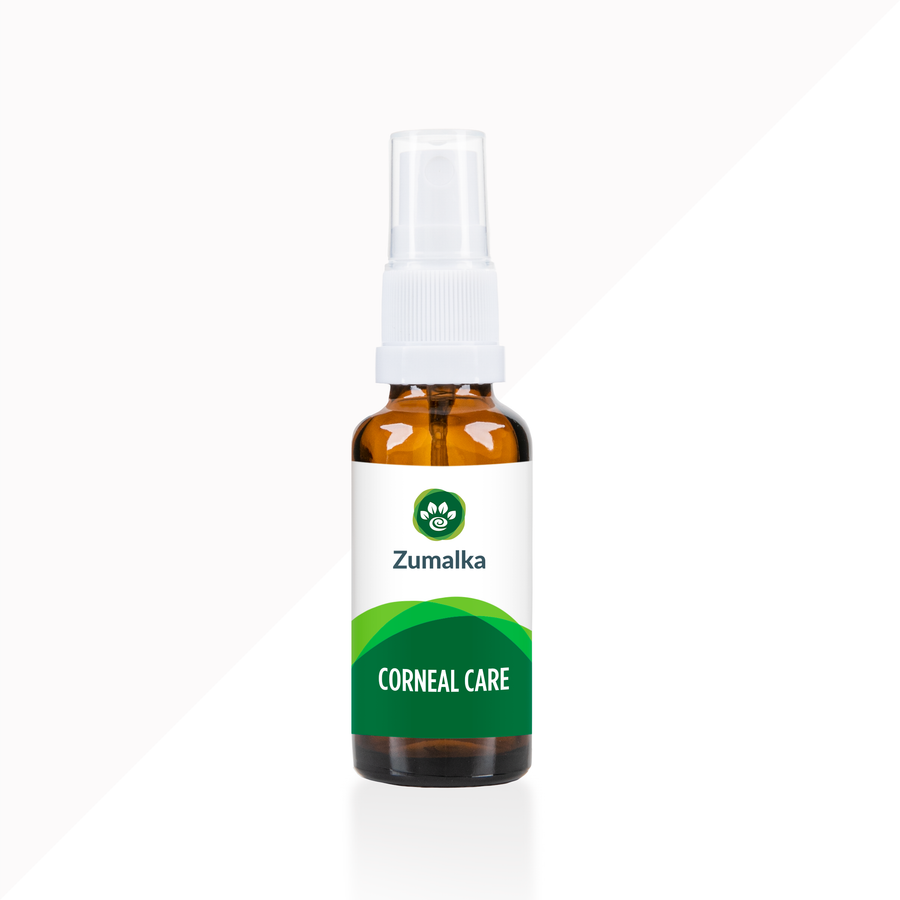
#8. Zumalka’s CORNEAL CARE supports a healthy, clear cornea and comfortable eyes.

CORNEAL CARE is a homeopathic formula designed to support a healthy cornea and overall eye function in cats and dogs, using a gentle, holistic approach.
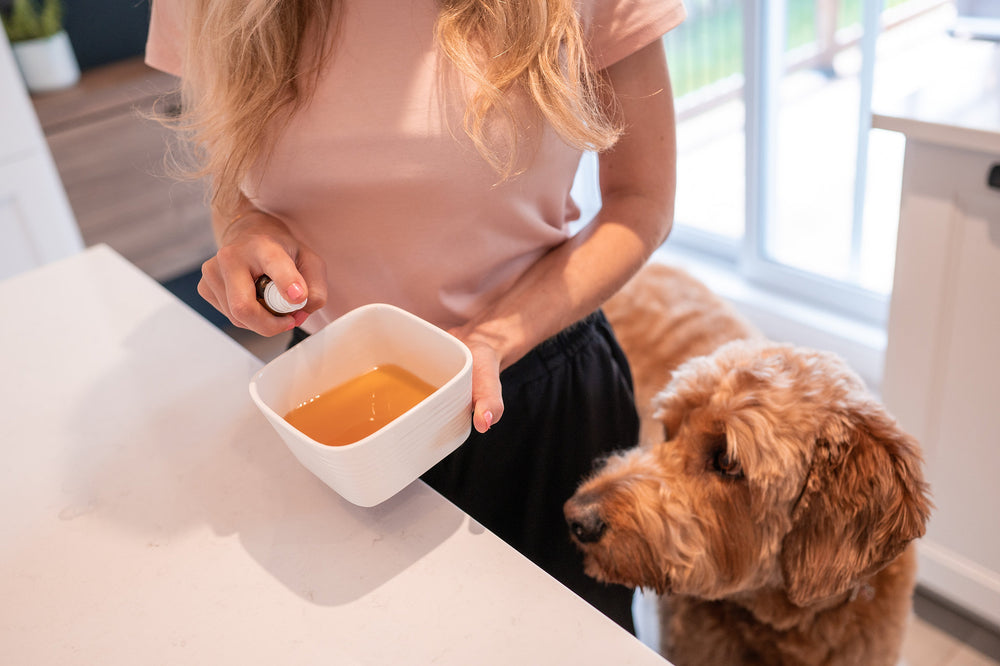
CORNEAL CARE is easy to give as part of a holistic pet care routine. It is not a treatment for dry eye and does not replace the drops your vet prescribes. Always tell your vet what you are giving your dog.
When to See a Vet: Essential Safety Tips for Dogs with Dry Eye

Dry eye always needs a veterinary diagnosis and treatment plan, and some signs need prompt care. Knowing when to see a vet ensures you don’t miss serious signs of infection or damage that could threaten your dog’s long-term eye health.
- If your dog’s dry eye symptoms don’t improve within 24 to 48 hours, or if they begin squinting severely or keeping the eye shut, it’s time to seek veterinary care. Delaying treatment can lead to complications, so acting quickly is essential for protecting your dog’s vision and comfort.
- Be alert for warning signs such as yellow or green discharge, which may indicate an eye infection, or a cloudy, milky appearance, often a sign of corneal damage or ulcers. These symptoms require prompt veterinary attention, as they can signal serious complications that need veterinary treatment.
- Never use human eye drops on your dog unless specifically directed by a veterinarian, as many contain preservatives like benzalkonium chloride that can irritate or damage sensitive canine eyes. Choosing species-safe products is essential to keep your dog safe and avoid making their eyes worse.
- This is why your veterinarian should diagnose and guide treatment for dry eye in dogs. A certified pet homeopathy expert can also advise on general wellness alongside your vet’s plan.
A Final Word
Dry eye in dogs is usually a lifelong condition that needs veterinarian-prescribed medication, such as cyclosporine, which stimulates tear production and addresses the root cause. Gentle natural care can support eye moisture and comfort alongside that treatment.
Pairing your vet’s treatment with good daily eye care, nutrition and regular checkups helps you build a balanced plan that supports your dog’s vision, comfort, and overall eye health.
FAQs
How can I care for my dog's dry eye at home?
Dry eye needs treatment from your veterinarian, usually daily eye drops. At home, you can support eye comfort with sterile saline rinses, warm compresses and omega-3 supplements. Always follow your veterinarian’s guidance.
Can I put coconut oil on my dog's dry eye?
Ask your vet first. Some vets allow a small amount of sterile, additive-free virgin coconut oil around the eyelids to help keep the area moist, but it does not replace prescribed dry eye treatment.
What natural care supports dry eyes in dogs?
Warm compresses, sterile saline rinses and omega-3 fatty acids can support eye moisture and comfort. Ask your vet before using any herbal rinse or drops. Natural care supports, but does not replace, the treatment your vet prescribes.
Can a dog recover from dry eyes?
Dry eye in dogs is often a lifelong condition, but many dogs do very well with consistent care. Vet-prescribed medication manages the condition, and gentle daily eye care supports comfort and long-term eye health.
Is dry eye serious in dogs?
Dry eye in dogs is a serious condition that can cause ongoing discomfort, frequent infections, and potential vision loss if not properly managed. Prompt diagnosis and consistent treatment are key to preserving your dog’s long-term eye health.
How did my dog get dry eye?
Dry eye in dogs, also known as keratoconjunctivitis sicca (KCS), is commonly caused by an autoimmune response, certain medications, aging, or breed predisposition. It occurs when the tear glands stop producing enough moisture, leading to irritation and inflammation.
About the author


Leave a comment