
Vet Insights: 8 Causes of Inflammation in Dogs Every Pet Parent Should Know


List of Contents
- What Exactly is Dog Inflammation?
- Top 8 Causes of Inflammation in Dogs Every Pet Parent Should Watch For
- Where and How Inflammation Affects Dogs: Common Types and Locations Explained
- How to Recognize Early Signs and Symptoms of Inflammation in Dogs
- How Do Vets Diagnose Inflammation in Dogs?
- Common Conventional Medications for Treating Inflammation in Dogs
- Everyday Lifestyle Habits That Support Your Dog’s Comfort
- Is It Possible to Prevent Inflammation in Dogs?
- Warning Signs: When to Consult a Vet for Inflammation in Dogs
- FAQs
- Key Takeaways
Inflammation in dogs is one of the most common, and most complex, health issues pets face. This guide explores the key causes, symptoms, vet diagnosis and treatment options, plus everyday prevention habits every pet parent should know.
What Exactly is Dog Inflammation?

Inflammation in dogs is a common yet complex natural response designed to protect the body, but when uncontrolled, it can lead to serious health issues.
Simply put, inflammation is the immune system’s reaction to injury, infection, or irritation, or, in some cases, an internal imbalance or autoimmune reaction (e.g., irritable bowel syndrome or IBS, and inflammatory bowel disease or IBD). Recognizing when it becomes harmful is key to protecting your pet’s well-being.
Common signs of inflammation in dogs include redness, heat, swelling, pain, and sometimes loss of function, signaling the body’s natural healing response. While acute inflammation is short-term and protective, chronic inflammation can persist and become harmful, leading to serious long-term health issues if left unmanaged.
Why chronic inflammation in dogs requires veterinary care
Managing chronic inflammation in dogs is crucial, as it can quietly contribute to serious health issues over time. For accurate diagnosis and treatment, always seek guidance from your veterinarian.
Top 8 Causes of Inflammation in Dogs Every Pet Parent Should Watch For
An underlying cause always triggers canine inflammation. It doesn’t occur without reason. In this section, we’ll highlight common triggers of inflammation in dogs to help you recognize and avoid them. These include:
-
Obesity: Excess weight puts strain on joints and tissues, while fat cells release inflammatory substances that can worsen chronic inflammation.
-
Lifestyle and stress: Emotional stress, lack of exercise, or sudden changes in environment can disrupt your dog’s immune balance, leading to increased inflammation.
-
Poor diet: High-fat, processed foods and ingredients like grains, dairy, or common allergens can trigger inflammatory responses in sensitive dogs.
-
Allergies: Food sensitivities, environmental allergens (like pollen or dust), and insect bites can all provoke chronic inflammation in dogs.
-
Infections: Bacterial, viral, fungal, or parasitic infections activate the immune system, often leading to acute or chronic inflammatory reactions.
-
Autoimmune diseases: When a dog’s immune system mistakenly attacks healthy tissues, it causes persistent inflammation and potential damage to organs or joints.
-
Injuries and physical trauma: Accidents, strenuous exercise, or surgical procedures can result in localized inflammation as part of the body’s natural healing process.
-
Environmental factors: Exposure to air pollution, smoke, chemicals, or other irritants can inflame the respiratory system and skin, triggering ongoing inflammatory issues.
Many causes of inflammation in dogs are preventable, which is why responsible pet ownership should always be seen as a lifelong commitment, not a casual hobby.
Where and How Inflammation Affects Dogs: Common Types and Locations Explained
Inflammation in dogs can occur anywhere in the body and is typically named after the affected area, often ending in "-itis." For example, arthritis refers to joint inflammation, while dermatitis affects the skin.
- Dermatitis and otitis refer to inflammation of the skin or ears, leading to itchiness, redness, rashes, ear infections, and frequent scratching or head shaking.
- Stomatitis refers to the inflammation of the oral cavity (gums, tongue), and can cause bad breath, lack of appetite, oral pain (if the cause is dental), and pawing at the mouth.
- Gastritis, enteritis, colitis, and IBD refer to the inflammation in the stomach or intestines, which can cause vomiting, diarrhea, appetite changes, and abdominal pain.
- Pneumonia and bronchitis refer to respiratory inflammation that results in coughing, difficulty breathing, lethargy, and can become life-threatening if untreated.
- Arthritis and osteoarthritis refer to inflammation that leads to pain, stiffness, reduced mobility, and reluctance to exercise or climb stairs.
- Conjunctivitis and uveitis refer to inflamed eyes that appear red and irritated, often with discharge, squinting, or excessive tearing.
- Pododermatitis refers to swelling, redness, constant licking, and limping, which are signs of paw inflammation, often caused by allergies or infections.
- Nephritis is the inflammation that may trigger increased thirst, frequent urination, vomiting, and unexplained weight loss.
- Cystitis refers to bladder inflammation, which causes frequent or painful urination, accidents indoors, and sometimes blood in the urine.
- Pancreatitis refers to inflammation that leads to severe abdominal pain, vomiting, lethargy, and is often linked to a high-fat diet.
- Hepatitis refers to inflammation that can cause jaundice (yellowing of eyes or gums), vomiting, appetite loss, and overall weakness.
- Other areas (throat, nose, anal sacs, fatty tissue - steatitis) refer to inflammation, which can also affect areas like the throat, nasal passages, anal sacs, or fatty tissues, leading to localized pain, swelling, discharge, or discomfort.
How to Recognize Early Signs and Symptoms of Inflammation in Dogs
Redness, swelling, heat, and persistent itching, especially around the skin and joints, are key signs of inflammation in dogs. Spotting these warning signs early can help protect your pet’s health and prevent more serious complications.
Is your pet experiencing pain or mobility issues?
Pain, sensitivity to touch, limping, or flinching are common signs of inflammation in dogs, especially affecting joints and muscles. Difficulty moving, stiffness, an unusual gait, or loss of function may indicate that inflammation is impacting your dog’s mobility and requires prompt attention.
Noticing changes in your dog’s appetite or signs of digestive issues?
Digestive inflammation in dogs often presents as vomiting, diarrhea, bloating, or excess gas. If your dog shows these symptoms or experiences a reduced appetite, it could signal a deeper health issue that shouldn’t be ignored.
Is your dog showing signs of fever or unusual fatigue?
Behavioral changes, lethargy, and reduced activity are common signs of inflammation in dogs that often go unnoticed. A persistent fever alongside these symptoms may indicate a more serious underlying condition requiring veterinary attention.
Always consult a veterinarian at the first sign of inflammation to ensure proper diagnosis and care.
Location-specific signs of inflammation in dogs, such as eye or ear irritation, breathing difficulties, or scooting, can indicate underlying health issues. Record any symptoms you notice and consult your veterinarian promptly for accurate diagnosis and treatment.
How Do Vets Diagnose Inflammation in Dogs?
A veterinarian is essential for properly diagnosing the cause of inflammation in dogs and guiding effective treatment.
To diagnose inflammation in dogs, veterinarians rely on a combination of physical examinations, medical history reviews, and diagnostic tools like blood tests and imaging. These steps are essential for accurately pinpointing the cause of inflammation and determining the most effective treatment approach.
Common Conventional Medications for Treating Inflammation in Dogs
Veterinarians commonly prescribe medications such as NSAIDs, steroids, and antihistamines to reduce inflammation in dogs and manage associated pain or allergic reactions. While these conventional treatments can be effective, they should always be used under professional guidance to avoid potential side effects.
NSAIDs
NSAIDs (non-steroidal anti-inflammatory drugs) like carprofen, meloxicam, and galliprant are commonly prescribed to reduce inflammation in dogs by blocking prostaglandins that cause pain and swelling.
These medications require veterinary supervision due to risks such as gastrointestinal upset, liver, or kidney issues. Moreover, never give human NSAIDs like ibuprofen or aspirin, as they can be deadly for dogs. Watch for side effects using the BEST FRIEND warning signs:
- Behavior changes
- Eating less or loss of appetite
- Stomach issues (vomiting, diarrhea)
- Tiredness or lethargy
- Facial swelling
- Reduced urination or drinking
- Icterus (jaundice - yellowing of gums/eyes)
- Evidence of pain (whining, limping)
- Nosebleeds or unusual bruising
- Dark or tarry stools
Steroids
Steroids (corticosteroids) are powerful anti-inflammatory medications used to manage conditions like skin allergies, autoimmune diseases, and osteoarthritis by suppressing the immune response.
Due to risks such as increased thirst, appetite changes, gastrointestinal issues, and higher infection susceptibility, steroids require veterinary prescription and close monitoring, and are typically recommended for short-term use.
Antihistamines
Antihistamines are commonly used in dogs to manage allergies and offer mild anti-inflammatory relief for symptoms like itching or swelling. While they’re not effective for severe or chronic inflammation, veterinarians may recommend them alongside other medications as part of a comprehensive treatment plan.
Always consult your veterinarian before combining medications or supplements to treat inflammation in dogs, as interactions can lead to serious health risks. Your vet’s guidance keeps your dog’s treatment plan safe.
Everyday Lifestyle Habits That Support Your Dog’s Comfort
Alongside your vet’s care, everyday habits can support your dog’s long-term health and comfort. Talk to your veterinarian before changing your dog’s diet or adding any supplement or therapy.
Diet and nutrition
A balanced diet supports your dog’s overall health. Foods like oily fish (rich in Omega-3), turmeric (curcumin), blueberries, broccoli, sweet potatoes, ginger, and plant-based sources like flaxseed, chia seeds, and algae oil are often part of a healthy diet for dogs. Ask your vet which ones suit your dog.
Certain foods can worsen inflammation in dogs, including high-fat items, excess salt or sugar, processed foods, grains or gluten (if intolerant), dairy, and known allergens. To protect your dog’s health, always avoid these pro-inflammatory foods and introduce any dietary changes gradually to support proper digestion and adjustment.
Supplements
Supplements such as glucosamine and chondroitin are commonly used to help maintain joint function and cartilage health in dogs. Omega-3 fatty acids from fish oil, flaxseed, or algae, along with turmeric (curcumin), are also popular. Your vet can tell you whether they are right for your dog.
CBD oil is increasingly popular, but its safety and dosing should always be confirmed with a veterinarian due to varying regulations.
Other supplements, such as collagen, Devil's Claw, yucca, vitamins E and C, and Duralactin, are sometimes suggested for joint health. Always check with your vet first.
Alternative therapies
Under your vet’s guidance, physical therapies like stretching, massage, and targeted exercises can support mobility and comfort. Hydrotherapy and hot or cold therapies (like ice packs or warm baths) are gentle, low-impact options your vet or a rehabilitation therapist may recommend.
Some vets also offer acupuncture as part of a care plan. Supporting your dog’s joint health also involves maintaining an ideal weight and creating a safe, comfortable environment with orthopedic bedding and limiting access to stairs or slippery surfaces.
Everyday wellness support from Zumalka

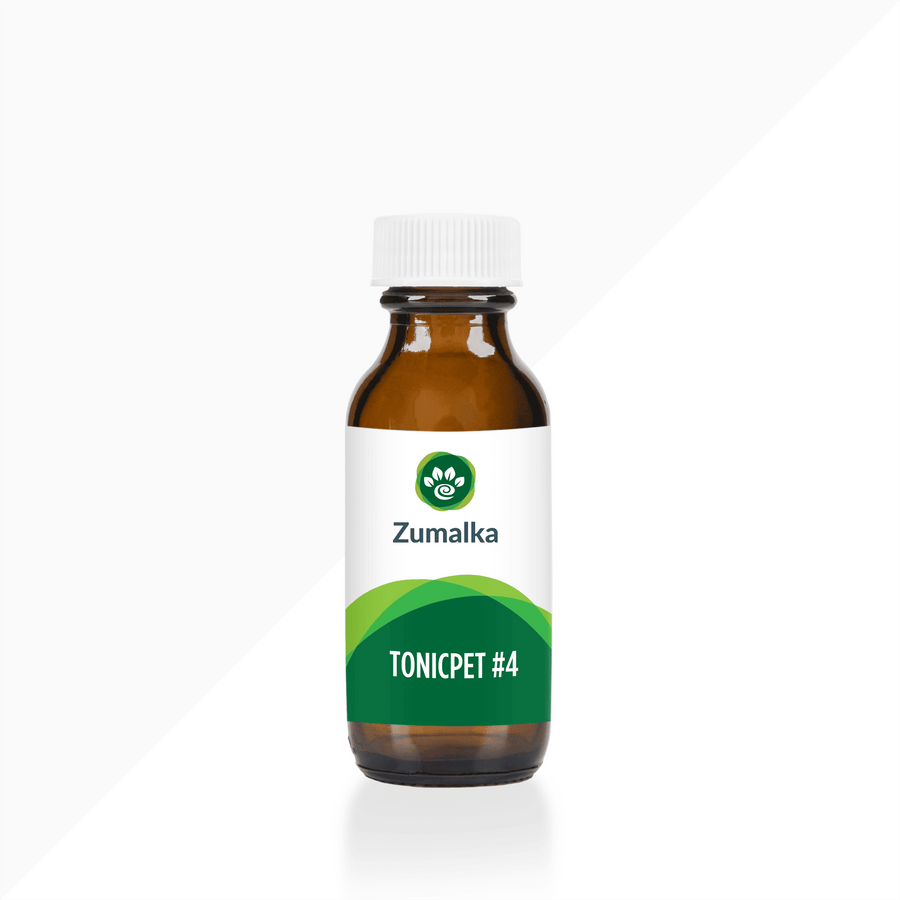
Zumalka’s TONICPET #4 is a tissue salt formula that supports a healthy immune system, healthy circulation and everyday energy as part of your dog’s daily routine.
Zumalka’s TONICPET #7 supports healthy oxygenation and deep tissue and skin health.
None of these treat inflammation or any disease, so keep following your vet’s plan.
Is It Possible to Prevent Inflammation in Dogs?
While not all cases can be avoided, many types of inflammation in dogs can be prevented with simple lifestyle changes. A balanced diet, rich in beneficial nutrients and free from harmful foods, is one of the best ways to support your dog’s long-term health and reduce the risk of chronic inflammation.
Preventing inflammation in dogs also involves maintaining a healthy weight, providing regular, low-impact exercise, and addressing injuries or illnesses promptly. These simple steps help reduce strain on joints, support a healthy immune system, and minimize the risk of chronic inflammatory conditions.
Controlling allergies and reducing stress play a crucial role in preventing inflammation in dogs. By avoiding common allergens and promoting a calm environment, you can help minimize immune system overreactions and protect your dog from chronic inflammation.
Warning Signs: When to Consult a Vet for Inflammation in Dogs
Persistent inflammation, worsening symptoms, or signs of severe pain and discomfort in your dog are clear indicators that urgent veterinary care is needed. Acting quickly can prevent serious complications.
If your dog develops a visible wound, pus, foul odor, lethargy, or stops eating, these could be signs of infection or serious inflammation requiring urgent veterinary attention. Symptoms like vomiting, diarrhea, or difficulty breathing should also never be ignored, as they may signal a more severe underlying health issue.
Always consult your veterinarian before starting a new treatment or supplement, if you suspect a serious condition like peritonitis, or if your dog experiences side effects from medication.
FAQs
Can diet help dogs with arthritis?
A healthy diet and weight can support joint comfort in dogs with arthritis, alongside the treatment your vet recommends. Ask your vet whether Omega-3s or a joint-support diet are right for your dog.
Is Ibuprofen/human NSAIDs safe for dogs?
No, Ibuprofen and other human NSAIDs are unsafe for dogs and can cause severe toxicity, including kidney failure, stomach ulcers, or death. Always consult your veterinarian for safe, dog-specific anti-inflammatory medications and pain management options.
Is Benadryl (antihistamine) a good anti-inflammatory?
Benadryl is primarily an antihistamine for managing allergies in dogs. While it has mild anti-inflammatory effects, it’s not effective for treating severe or chronic inflammation. Always consult your veterinarian before use.
How long does inflammation last?
The duration of inflammation in dogs depends on the cause. Acute inflammation may last a few days, while chronic inflammation can persist for weeks or longer. Prompt veterinary care helps manage symptoms and prevent long-term complications.
Is there a link between inflammation and cancer?
Chronic inflammation is linked to a higher risk of cancer in dogs, as prolonged inflammatory responses can lead to cellular damage and abnormal cell growth. Work with your vet to manage chronic inflammation and keep up with regular checkups.
Can inflammation cause fever?
Yes, inflammation can cause fever in dogs. It’s a natural immune response to injury, infection, or illness, signaling the body is fighting a problem. Persistent fever requires prompt veterinary attention to identify the cause.
Is inflammation always bad?
Inflammation is a normal part of the body’s healing process in dogs. While short-term inflammation is beneficial, chronic or uncontrolled inflammation can become harmful, leading to pain, tissue damage, and long-term health complications.
Do only older dogs get inflammation?
No, inflammation can affect dogs of all ages, not just seniors. While older dogs are more prone to chronic inflammation, young dogs can experience it due to injuries, allergies, infections, or autoimmune conditions.
Key Takeaways
While inflammation in dogs can be complicated, it’s manageable with the right care, awareness, and timely intervention. Partnering with your veterinarian is essential to ensure safe treatment tailored to your dog’s needs. A pet homeopathy expert can also help with a general wellness routine.
Proactive care plays a vital role in managing inflammation and enhancing your dog’s quality of life by reducing discomfort and preventing long-term health issues. With the right approach and expert guidance, your dog can stay active, healthy, and happy.
About the author



Leave a comment