
Vet-Verified: When Cats Need Antibiotics, and 10 Natural Ways to Support Everyday Health


List of Contents
- Antibiotics and Everyday Care for Cats: A Quick Analogy
- Can Natural Products Replace Antibiotics for Cats?
- 10 Natural Options Cat Parents Ask About, and What the Research Says
- Vital Gut Support: Probiotics for Feline Digestive and Immune Health
- Is There a Strongest Natural Antibiotic for Cats?
- When Your Cat Needs to See the Vet
- Conclusion: Supporting Your Cat’s Health Alongside Veterinary Care
- FAQs
Americans spend millions each year on pet care, much of it on products containing synthetic or potentially harmful ingredients. As more cat owners look for gentler everyday care, many ask whether natural products can stand in for antibiotics. They can’t, but natural options rooted in holistic feline care can support your cat’s everyday health alongside your vet’s care.
Veterinary visits can be stressful and costly, often leaving both cats and their owners feeling anxious and overwhelmed. Still, only a vet can tell whether your cat has a bacterial infection and needs antibiotics, so a check-up is the right first step when your cat seems unwell.
Natural options are popular as gentle ways to support a cat’s everyday health, but there is no homemade antibiotic for cats, and treating an infection at home can let it get worse.
Natural products are not a substitute for veterinary care. Always consult your veterinarian before giving your cat anything new, and a certified pet homeopath can also help with a general wellness routine.
Antibiotics and Everyday Care for Cats: A Quick Analogy

Think of your cat’s immune system like a well-guarded fortress. While conventional antibiotics act like a powerful army brought in for major battles, they can sometimes be too aggressive or unnecessary when they aren’t needed, which is why vets prescribe them only when an infection calls for it.
Everyday care, such as good nutrition, hydration, dental care, a clean environment and regular checkups, is like keeping the fortress walls in good repair. It supports your cat’s overall health, but when invaders get in, your vet decides whether the army is needed.
Can Natural Products Replace Antibiotics for Cats?
No. Some herbs and foods have shown antibacterial effects in lab studies, but that does not mean they can clear an infection in a cat, and none has been shown to replace a prescribed antibiotic. Many of these options come from traditions like Traditional Chinese Medicine, Ayurveda and Western herbalism, and some are unsafe for cats, so ask your vet before using any of them.
Using antibiotics only when your vet says they’re needed also matters beyond your own cat: unnecessary use drives antibiotic resistance and adds to animal health care’s environmental “carbon paw print.”
10 Natural Options Cat Parents Ask About, and What the Research Says

Here are 10 natural options cat parents often ask about, what research suggests, and the safety points to know. None of them treats an infection, so use them only alongside your vet’s care:
#1. Manuka honey is sometimes used by vets in wound care.
Manuka honey has shown strong antibacterial properties in lab and human studies, and medical-grade Manuka honey is sometimes used by veterinarians as part of wound care.
Don’t treat a wound at home with kitchen honey. Any wound, bite or abscess needs a vet check, and your vet will tell you whether a medical-grade honey dressing is right.
#2. Echinacea is an herb studied for immune support.
Echinacea is a widely studied herb that has shown effects on immune responses in lab and animal research. Research in cats is limited.
It is often asked about for cats with upper respiratory infections, commonly known as “cat flu,” but cat flu needs a vet’s diagnosis and care. Ask your vet before giving echinacea, especially to cats with other health conditions.
#3. Goldenseal has shown antimicrobial effects in lab studies.
Goldenseal contains berberine, which has shown antimicrobial activity against bacteria in lab studies. That does not show it works as a treatment in cats.
Some people ask about it for digestive upset or urinary signs, but those need a vet visit first, as they can signal a urinary blockage, which is an emergency in cats. Goldenseal should not be used in pregnant or lactating cats, so always consult your veterinarian before use.
#4. Cranberry has been studied for bladder health in cats.
Cranberry has been studied in cats for its effect on E. coli sticking to bladder cells, which is why it is linked with bladder health.
It is not a treatment for urinary tract infections or Feline Lower Urinary Tract Disease (FLUTD), and it can change urine pH, which is not right for every cat. Ask your vet before adding cranberry, especially if your cat has a history of urinary crystals.
#5. Apple cider vinegar: what to know before using it.
Apple cider vinegar has shown antimicrobial activity in lab studies, but it does not treat infections in cats.
Diluted, it is sometimes used on the coat to help reduce skin flakes and dandruff. Never apply it to broken skin, where it stings, and don’t use it for urinary problems. Those need a vet.
Many cats dislike its taste and smell, so ask your vet before adding any to your cat’s water or food.
#6. Juniper berries: a diuretic herb that needs caution.
Juniper berries are traditionally used as a diuretic, meaning they increase urine output.
They are not a treatment for urinary tract infections, and diuretic herbs can be risky for cats with kidney disease. They may also cause stomach upset. Always consult your veterinarian before use.
#7. D-Mannose is a sugar studied for urinary tract health.
D-Mannose is a natural sugar that may stop E. coli from sticking to the bladder wall. Its use in cats is still being studied.
It does not replace your vet’s diagnosis or prescribed treatment for a urinary tract infection. Your vet can tell you whether it fits your cat’s plan.
#8. Turmeric has been studied for its effects on inflammation.
Turmeric’s active compound, curcumin, has shown anti-inflammatory effects in lab studies. A sore mouth or tooth needs a vet visit, since dental infections need professional treatment.
Turmeric is sometimes added to food in small, controlled amounts. A typical dosage is ⅛ to ¼ teaspoon sprinkled over food, adjusted based on the size of your cat, with even smaller doses recommended for very small or sensitive cats. Always consult your veterinarian before adding turmeric to your cat’s diet to ensure it's appropriate for their health and condition.
#9. Coconut oil can support healthy skin and coat.
Coconut oil’s lauric acid has shown antimicrobial properties in lab studies. A small amount can moisturize dry skin and support a healthy coat.
Use only small, vet-approved amounts in food, since too much can upset your cat’s stomach. See your vet about any wound or skin infection rather than treating it at home.
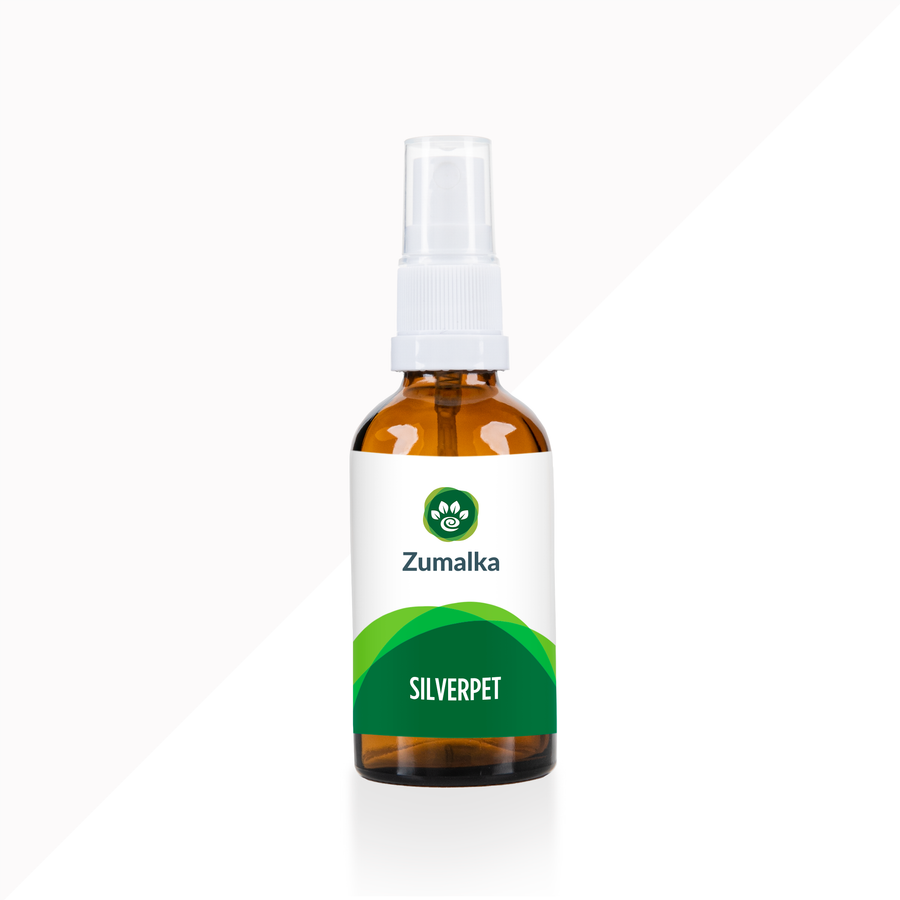
#10. SILVERPET is a colloidal silver spray for the skin and mouth.

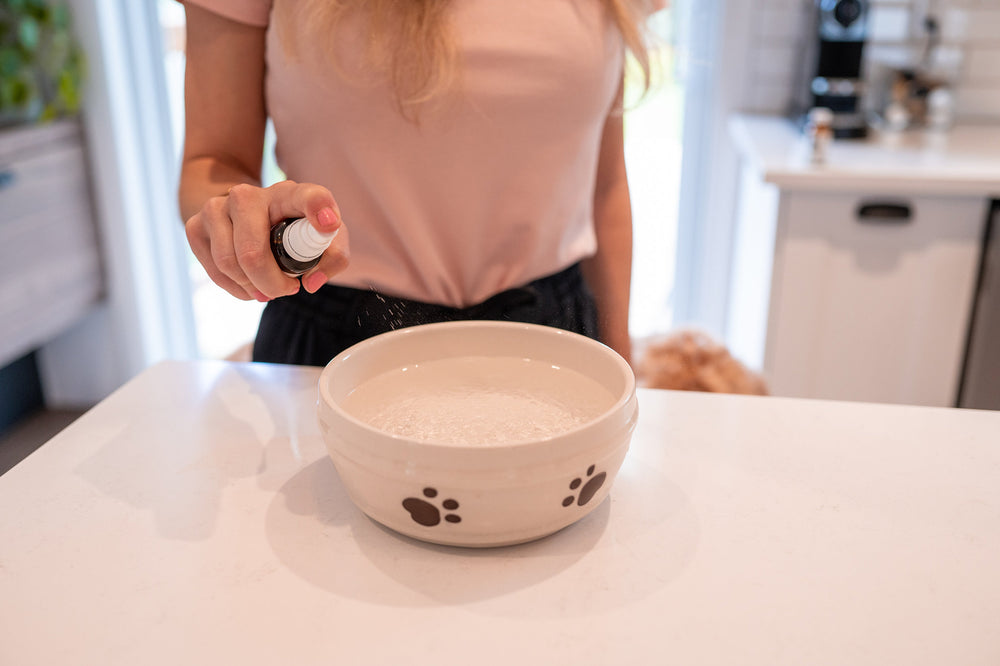
SILVERPET is a colloidal silver spray you can use on the skin and in the mouth. Used on the skin, it supports normal skin health and helps maintain a healthy coat. Used in the mouth, it supports a healthy immune response.
It is a simple two-ingredient formula of silver and water, and it can be part of an everyday wellness routine for cats and dogs.
Vital Gut Support: Probiotics for Feline Digestive and Immune Health
If your vet prescribes antibiotics, they can affect the balance of healthy gut bacteria. Your vet may suggest a cat-specific probiotic during or after the course to support digestive health and keep your cat feeling their best.
Ask your vet how far apart to give the probiotic and the antibiotic. It’s important to support gut health, since antibiotics can cause side effects like diarrhea.
Is There a Strongest Natural Antibiotic for Cats?

No. There is no natural product that works as an antibiotic in cats, strong or otherwise. If your cat has signs of an infection, your vet needs to examine them. Here is what to know about two common questions:
If your cat has urinary signs
- Straining, frequent trips to the litter box, crying while peeing or blood in the urine need a vet the same day. A male cat that can’t pee is an emergency.
- Cranberry and D-Mannose have been studied for bladder health, but they don’t treat a UTI. Ask your vet whether they fit your cat’s plan.
If your cat has respiratory signs
- Thyme essential oil has shown antibacterial and antifungal properties in lab studies, but essential oils are toxic to cats, so never use thyme oil on or around your cat.
- Sneezing, discharge or congestion that lasts more than a few days, or any trouble breathing, needs a vet. Echinacea does not treat respiratory infections.
Important safety guidelines for natural products in cats
Natural products can be part of your cat’s wellness routine, but they don’t treat infections. For any health concern, consult a veterinarian so your cat gets an accurate diagnosis and the right treatment.
When Your Cat Needs to See the Vet
Natural products are not a replacement for professional veterinary care. Timely treatment by a veterinarian is crucial to managing pain, avoiding complications, and safeguarding your cat’s long-term health.
If your cat shows signs like blood in the urine or stool, labored breathing, fever, lethargy, or straining in the litter box, prompt veterinary attention is essential.
Safety matters with anything you give your cat. Never give your cat human medications like paracetamol or products made for dogs, as these can be extremely toxic. Always consult your veterinarian before giving your cat any medication or supplement.
Conclusion: Supporting Your Cat’s Health Alongside Veterinary Care
The most effective way to protect your cat from infections is through prevention, starting with a high-quality, well-balanced diet and routine vaccinations. Supporting your cat’s immune system through proper nutrition and proactive veterinary care lays the foundation for long-term health and resilience.
Discuss any natural option with your veterinarian, who can tell you whether it is safe for your cat and how it fits with any treatment. For gentle ways to keep your cat comfortable, see 11 natural ways to support your cat’s comfort.
FAQs
Is there a natural alternative to antibiotics for cats?
No. Natural products can’t replace antibiotics, and only your veterinarian can decide whether your cat needs them. Some foods and herbs have shown antibacterial effects in lab studies, but that does not make them a treatment.
Can I treat a bacterial infection in my cat at home?
No. Bacterial infections need a vet’s diagnosis and, often, prescription antibiotics. At home, you can keep your cat comfortable, hydrated and eating while you follow your vet’s plan.
How can I help my cat recover from an infection?
Give every dose of the medication your vet prescribes, keep fresh water and food available, offer a warm, quiet resting spot, and call your vet if your cat isn’t improving. Ask your vet before adding probiotics or any supplement.
What is the best human antibiotic for cats?
There is no safe or “best” human antibiotic for cats, as many human medications are toxic to felines. Antibiotics must be prescribed by a veterinarian to ensure proper drug choice, dosage, and safety.
Can I get my cat antibiotics without going to the vet?
Antibiotics should never be given to cats without veterinary guidance, as incorrect use can cause harm or worsen infections. Always consult a vet to ensure safe, effective treatment.
Can cats recover from bacterial infections without antibiotics?
Some minor infections clear up on their own, but only your vet can tell which ones are safe to watch and which need antibiotics. Don’t wait it out without a vet’s advice.
How can I care for a sick cat at home?
Keep your cat warm, quiet and hydrated, offer food they like, and call your vet. A sick cat needs a diagnosis, and home care is a support, not a treatment. Ask your vet before giving any supplement or natural product.
About the author


Dejar un comentario