
Vet-Reviewed: Cat Abscess Signs, Vet Care and Home Recovery Tips


List of Contents
- What a Cat Abscess Is: A Simple Analogy
- Cat Abscess Symptoms: How to Spot the Warning Signs Early
- Step-by-Step Home Care After Your Vet Visit
- How TONICPET #12 Supports Healthy Skin and Coat
- Holistic Options to Discuss With Your Vet
- Red Flags: When Your Cat Needs the Vet Right Away
- Cat Abscess Aftercare and Prevention Tips
- Conclusion: Vet Care First, Then Gentle Home Support
- FAQs
You notice a sudden, tender lump on your cat after a night outdoors or a minor scuffle, an alarming sign that could point to a hidden abscess. These common but often overlooked wounds can quickly worsen without proper care, making early detection and a vet visit essential.
An abscess is a painful, localized infection where pus builds up under the skin, usually caused by a bite or puncture wound that traps bacteria beneath the surface. As the wound seals, the infection can grow unnoticed, leading to swelling, tenderness, and serious complications if not treated promptly.
Every abscess needs a vet check. Your vet will drain and clean it and decide whether your cat needs antibiotics. At home, you then keep the wound clean and your cat comfortable while it heals. Holistic care, such as natural support for overall wellness, can sit alongside that, never instead of it.
Once your vet has treated the abscess, a certified pet homeopath can help you with a general wellness routine for your cat.
What a Cat Abscess Is: A Simple Analogy
Think of a cat abscess like a pressure cooker with a blocked valve. Pus builds beneath the skin as the infection creates heat and pressure. If not relieved in time, that pressure forces the abscess to burst, often painfully and with risk of further infection.
Your vet opens the valve: draining and flushing the abscess releases the pressure, and antibiotics are added when they’re needed. Warm compresses at home, as your vet directs, help keep it draining while your cat’s body heals. For ways to keep your cat comfortable in the meantime, see natural ways to support your cat’s comfort.
Cat Abscess Symptoms: How to Spot the Warning Signs Early

A common sign of a cat abscess is a localized, swollen area beneath the skin that feels warm or hot to the touch. If the abscess bursts, it may leave behind an open, oozing wound with a strong, unpleasant odor, clear signs your cat needs a vet visit.
Behavioral changes are often early signs of a cat abscess. If your cat seems unusually tired, refuses food, or starts limping, these subtle shifts may indicate pain or an underlying infection that needs attention.
Taking your cat’s temperature can help detect an abscess-related infection early. Use a digital rectal thermometer, and always handle your cat gently and calmly. A normal temperature for a cat is about 100.5 to 102.5°F. Anything higher needs a call to your vet, and 103.5°F or higher may signal a more serious infection that needs prompt care.
Step-by-Step Home Care After Your Vet Visit
Once your vet has examined and drained the abscess, home care helps keep the wound clean while it heals. Follow your vet’s instructions. These are the usual steps:
- Start by gently trimming the fur around the abscess using pet-safe clippers or blunt-tipped scissors to fully expose the wound. Removing surrounding hair helps keep the area clean and lets you see how the wound is healing.
- Apply a warm, damp washcloth to the area for 10 minutes, twice daily, if your vet recommends it. The warmth helps keep the wound draining as it heals.
- Never squeeze or lance an abscess yourself. If it hasn’t opened, your vet needs to drain it.
- If your vet asks you to flush the wound, use the solution they recommend, such as sterile saline or a diluted antiseptic, usually twice a day for 5 to 7 days.
- When caring for a cat's abscess, it's best to avoid hydrogen peroxide or alcohol, as these harsh substances can irritate healthy tissue and slow the healing process. Use the gentle, vet-approved solution your vet recommends.
How TONICPET #12 Supports Healthy Skin and Coat

TONICPET #12 is a tissue salt formula (Silica 6x) designed to promote healthy skin, fur and coat condition in cats and dogs. It supports healthy skin and a shiny coat, and supports the body’s natural elimination.
Once your vet has treated the abscess, it can be part of your cat’s daily routine to support healthy skin and coat while the trimmed fur grows back.
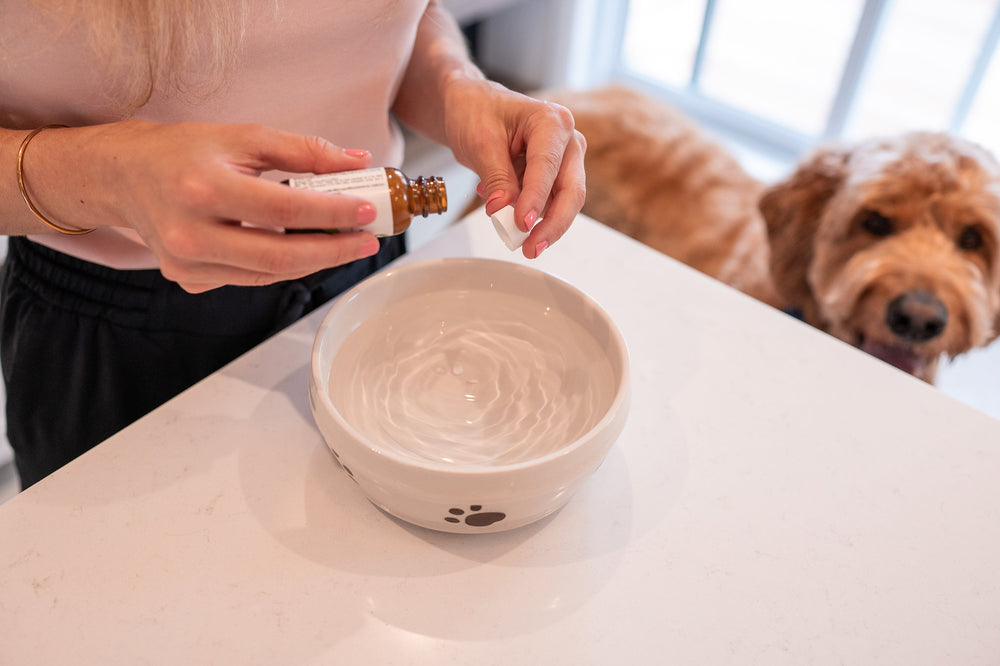
The tablets are crushed and mixed with food or water. Use it alongside your vet’s care, never instead of it.
Holistic Options to Discuss With Your Vet
Some pet parents ask about holistic options during recovery. None of them treats an abscess or replaces drainage and antibiotics, so discuss any of these with your vet first:
- Olive leaf extract has shown antibacterial activity in lab studies, but it does not treat an abscess. If your vet approves it, a typical amount is 100 mg per 10 pounds of body weight.
- In homeopathy, Silicea (6C or 30C) is traditionally used in skin and wound care, and Ledum 6C is traditionally chosen after puncture wounds. Neither replaces your vet’s drainage or antibiotics.
- Hepar Sulphuris Calcareum (30C) is a traditional homeopathic remedy chosen when skin is tender and sore. Use it only alongside your vet’s treatment.
- CBD oil has been studied for comfort in cats. Research is still early. If your vet approves it, a typical amount is about 3 mg per 10 pounds of body weight, in a pet-specific formula.
- Medical-grade Manuka honey is sometimes used by vets as a wound dressing. Use it only if your vet recommends it, and never use kitchen honey.
Always check with your veterinarian before adding anything to your cat’s care. A certified pet homeopath can help with a general wellness routine afterward.
Red Flags: When Your Cat Needs the Vet Right Away

If your cat’s temperature rises above 103.8°F, it may signal a serious infection that requires immediate veterinary care.
If the swelling extends beyond a small lump and affects the entire limb, it may be a sign of cellulitis, a deeper, spreading infection beneath the skin. This condition requires prompt veterinary attention, as it can progress quickly and needs prompt vet treatment.
Abscesses that form deep within muscle tissue or around the roots of a tooth are more complex and often hidden from view. These internal infections typically require surgical treatment from a veterinarian and cannot be treated at home.
Cat bite wounds aren’t just a risk for abscesses. They can also transmit serious viral infections like FeLV (Feline Leukemia Virus), FIV (Feline Immunodeficiency Virus), and rabies. If your cat has been bitten, especially by an unknown animal, it’s important to consult your veterinarian about testing and possible preventative care.
Cat Abscess Aftercare and Prevention Tips
During recovery from an abscess, it’s important to keep your cat indoors in a clean, easily sanitized space, such as a laundry room or bathroom. This helps prevent exposure to dirt, insects, or other contaminants that could irritate the wound or introduce new infections.
To protect the healing abscess, an Elizabethan collar (E-collar) can help prevent your cat from licking or chewing at the wound. Limiting self-trauma is essential for avoiding reinfection, allowing the tissue to heal properly without added irritation or delay.
The most effective way to prevent future abscesses is by neutering your cat, which significantly reduces territorial fighting and bite-related injuries. Keeping cats indoors also lowers their risk of wounds, infections, and exposure to other animals that can spread disease.
Conclusion: Vet Care First, Then Gentle Home Support

A cat abscess needs a vet visit, and good home care afterward helps the wound heal well. Keep the area clean, follow your vet’s instructions, and watch for the red flags above.
After your vet’s treatment, most cat abscesses will begin to heal within a week if they’re kept clean, draining properly, and free from further irritation. Consistent monitoring during this time is essential to catch any signs of worsening infection and to ensure your cat stays on track for a smooth recovery.
FAQs
Can I treat a cat abscess at home?
No. An abscess needs a vet to drain and clean it, and many need antibiotics. At home, you follow your vet’s plan: warm compresses, gentle cleaning, and watching for swelling, fever or pain that gets worse.
Can a cat abscess heal without antibiotics?
Some small abscesses heal after your vet drains and flushes them, without antibiotics, but only your vet can decide. Deep abscesses, fever or spreading swelling need antibiotics and prompt care.
Is there a home remedy antibiotic for cats?
No. Natural products can’t replace antibiotics. Learn when cats need antibiotics and what natural options can support everyday health.
Can a cat get over an infection without antibiotics?
Some mild infections clear on their own, but abscesses usually need to be drained, and only your vet can tell which need antibiotics.
How long does a cat abscess take to heal?
Most abscesses start to heal within a week after your vet drains them, if the wound is kept clean and draining. Call your vet if it isn’t improving.
How do you flush an abscess on a cat?
If your vet asks you to flush it, gently clean the area twice daily using sterile saline solution at room temperature. Apply it with a clean syringe or a soft cloth, and avoid harsh substances like hydrogen peroxide, which can damage healing tissue.
About the author


Leave a comment